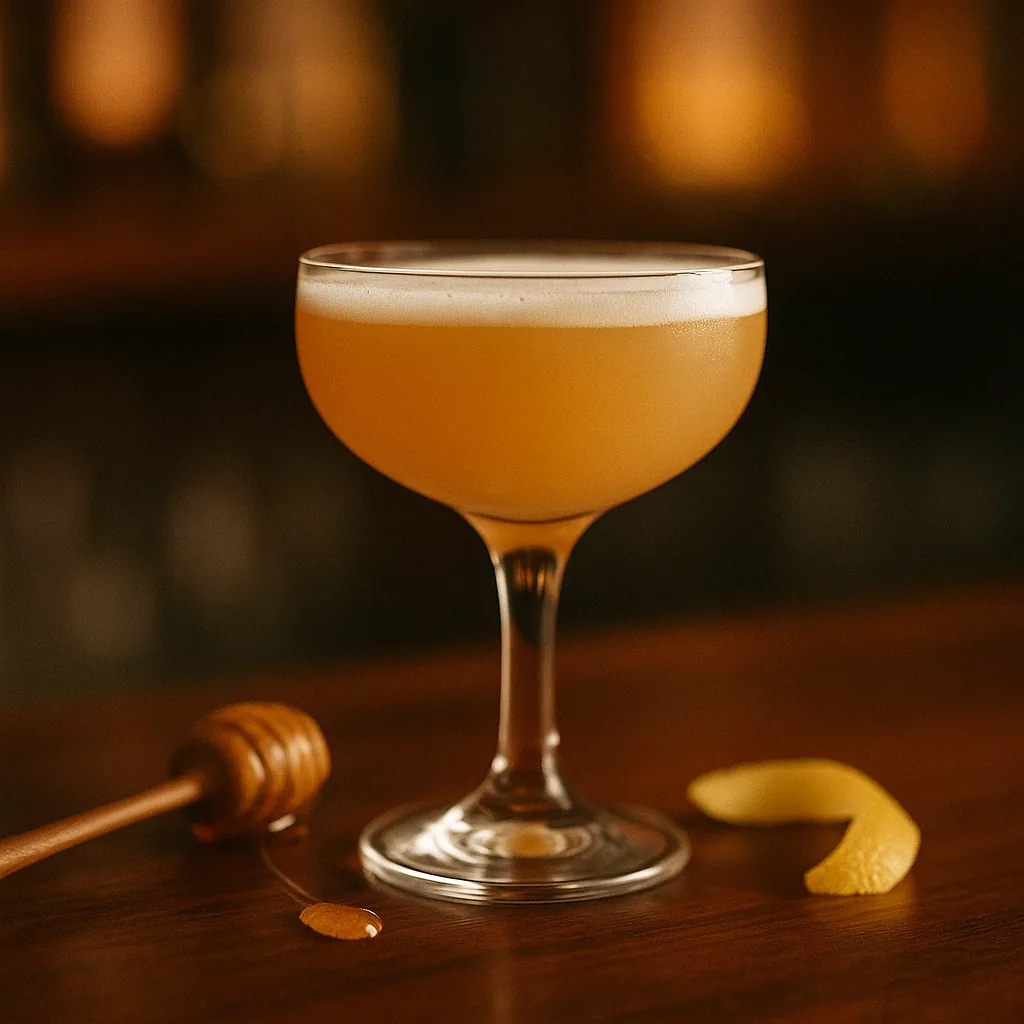
Bee's Knees
Honey rounds off the citrus edges, so the sour never bites, and the orange juice softens the lemon while giving the drink weight. That ease is the problem the gin has to solve: juniper and pepper keep it from collapsing into breakfast, and a floral bottle finds room to speak inside the honey.
- 52.5 ml
- gin
- 2 teaspoons
- honey
- 22.5 ml
- lemon
- 22.5 ml
- orange
Shaken with honey syrup and lemon juice, strained up.
The drink and how it got here
The name is Prohibition slang for the best of something, and the drink is from the same years — gin, lemon and honey, shaken cold. Who first made it is not settled. One account gives it to Frank Meier, the Austrian-born bartender who ran the bar at the Ritz in Paris from 1921; a news article from 1929 hands it instead to the American socialite Margaret Brown, the one who came off the Titanic.
The honey is not decoration. It is the only sweetener in a drink whose whole reason to exist was covering the taste of gin that had no business being drunk neat — and it does that better than sugar, because it also carries a smell of its own.
The one technical problem is that cold honey will not mix. Straight from the jar it sinks to the bottom of the shaker and stays there, so it gets thinned first, one to one, with warm water or with sugar syrup. Everything else in the recipe is a sour.
The two guides below are the plain original and the version the International Bartenders Association standardised, which brings in orange juice alongside the lemon. The second is softer and rounder; the first is sharper and tastes more of the gin. They are the same idea a century apart, which is why we show both.
Gin, lemon, honey
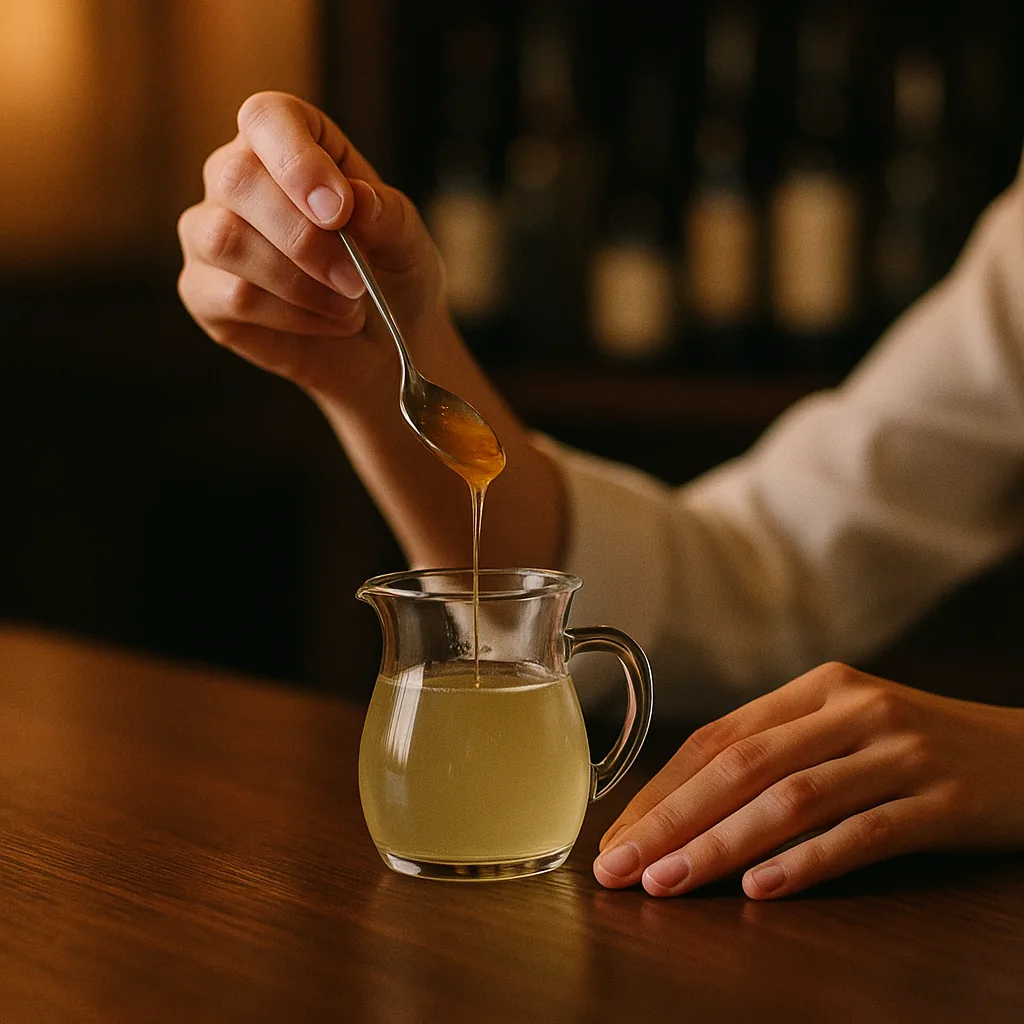
Thin the honey first, half and half with warm water. Cold honey drops straight to the bottom of the shaker and stays there.
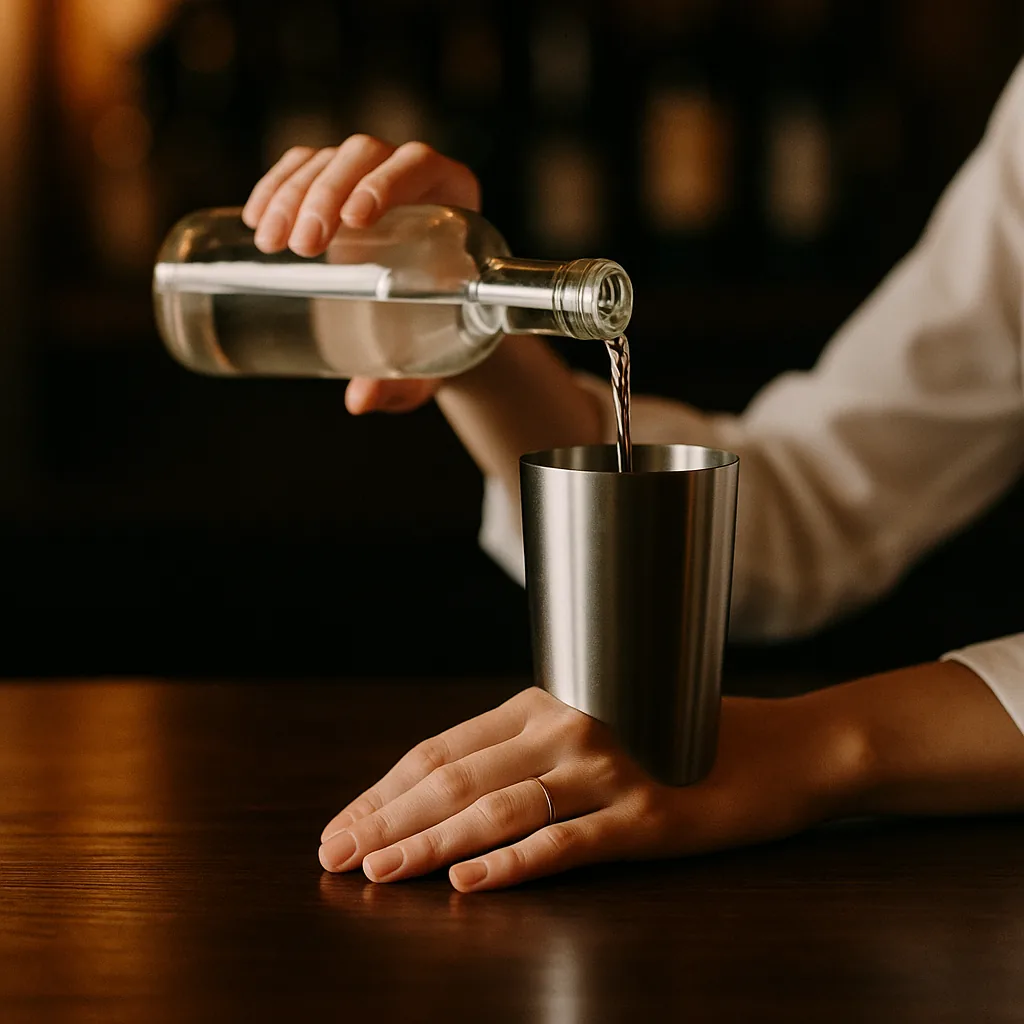
Fifty of gin. In 1921 the honey was here to hide it — now it is here to sit under it, which is a better job for a good bottle.
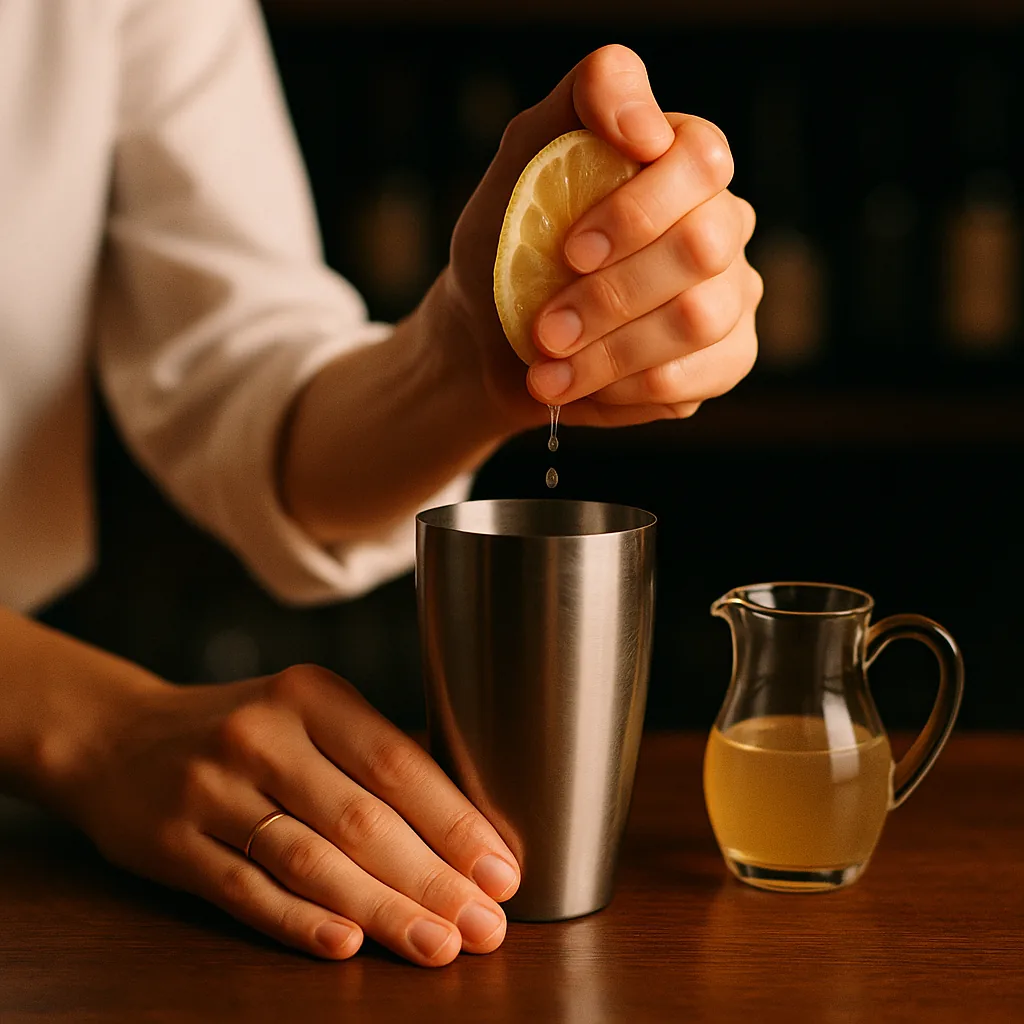
Lemon, then the thinned honey. Two to one, sour over sweet, and honey counts as the sweet.
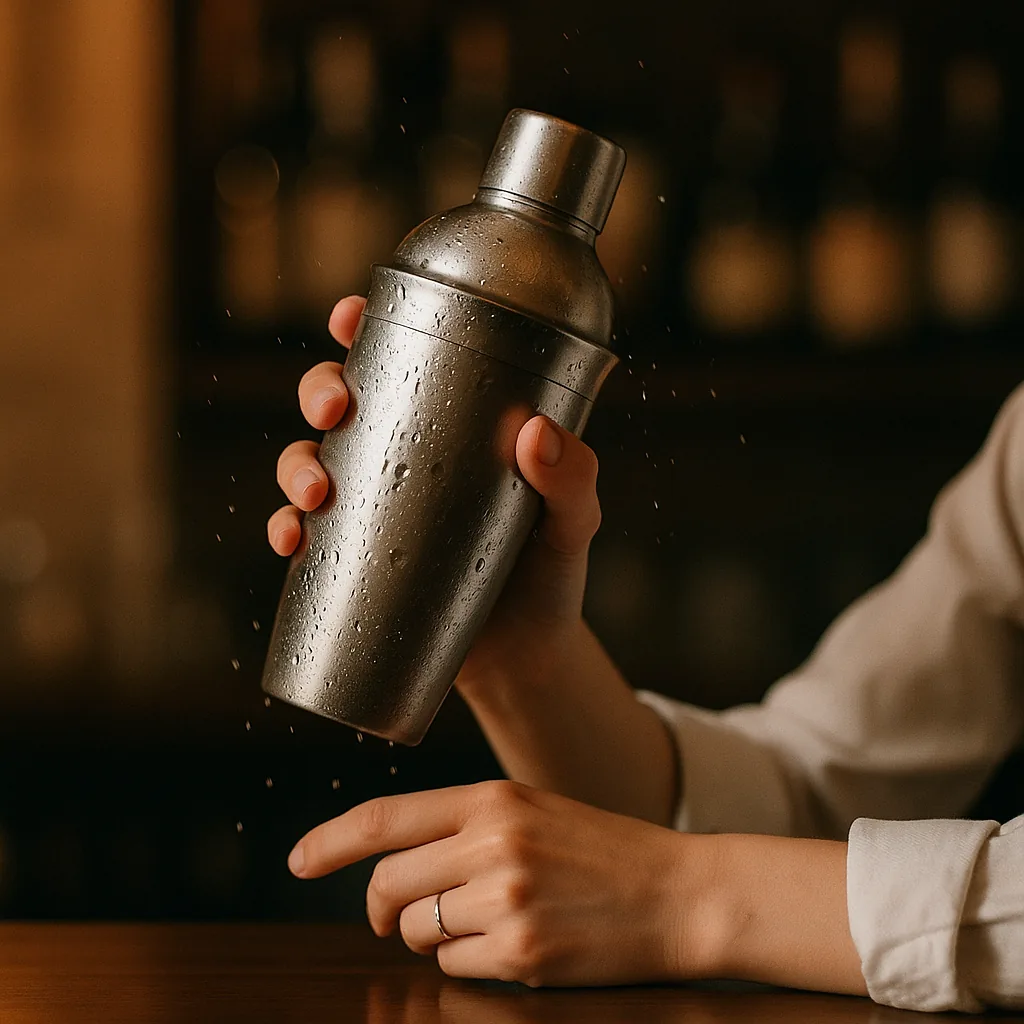
Shake hard with ice. Honey needs the cold and the force to actually go into the drink rather than through it.
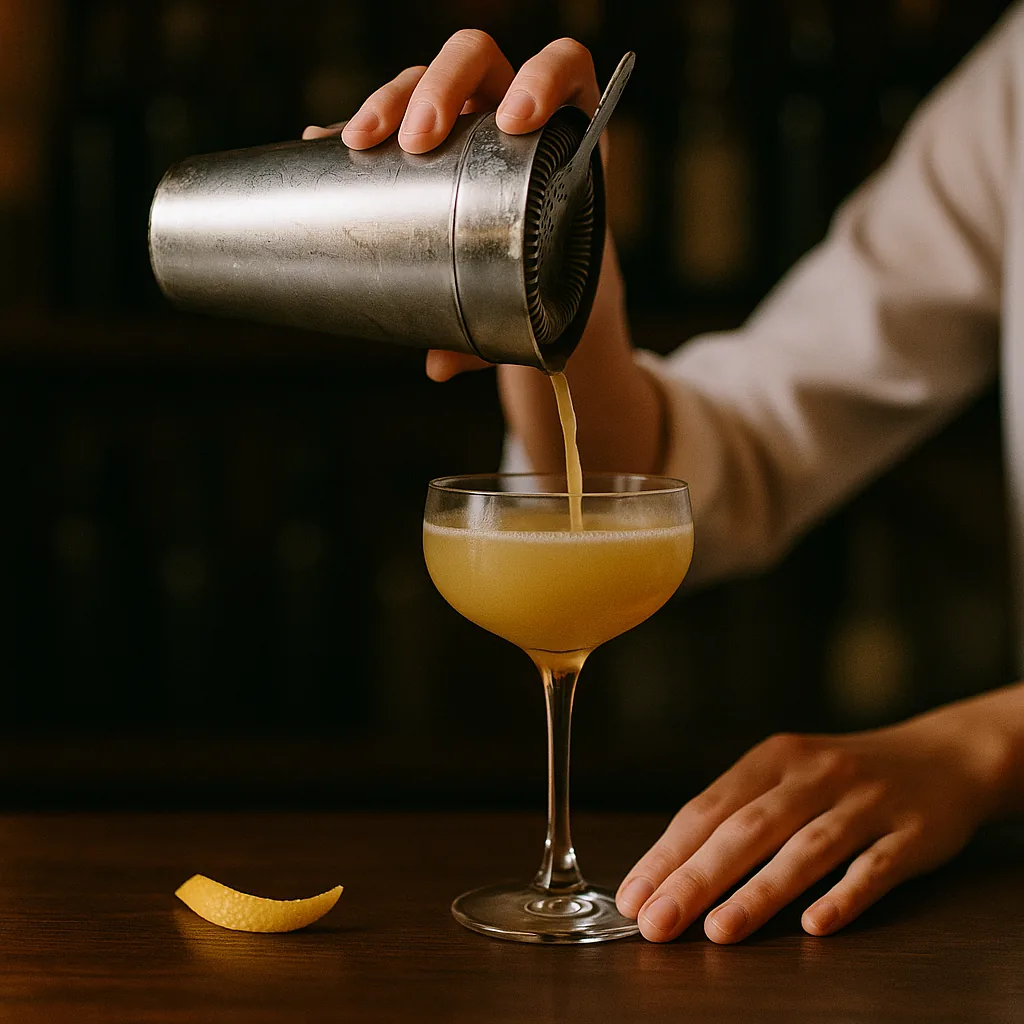
Strain it up, twist of lemon over the top. Cloudy gold, and it should smell of honey before it smells of gin.
With orange
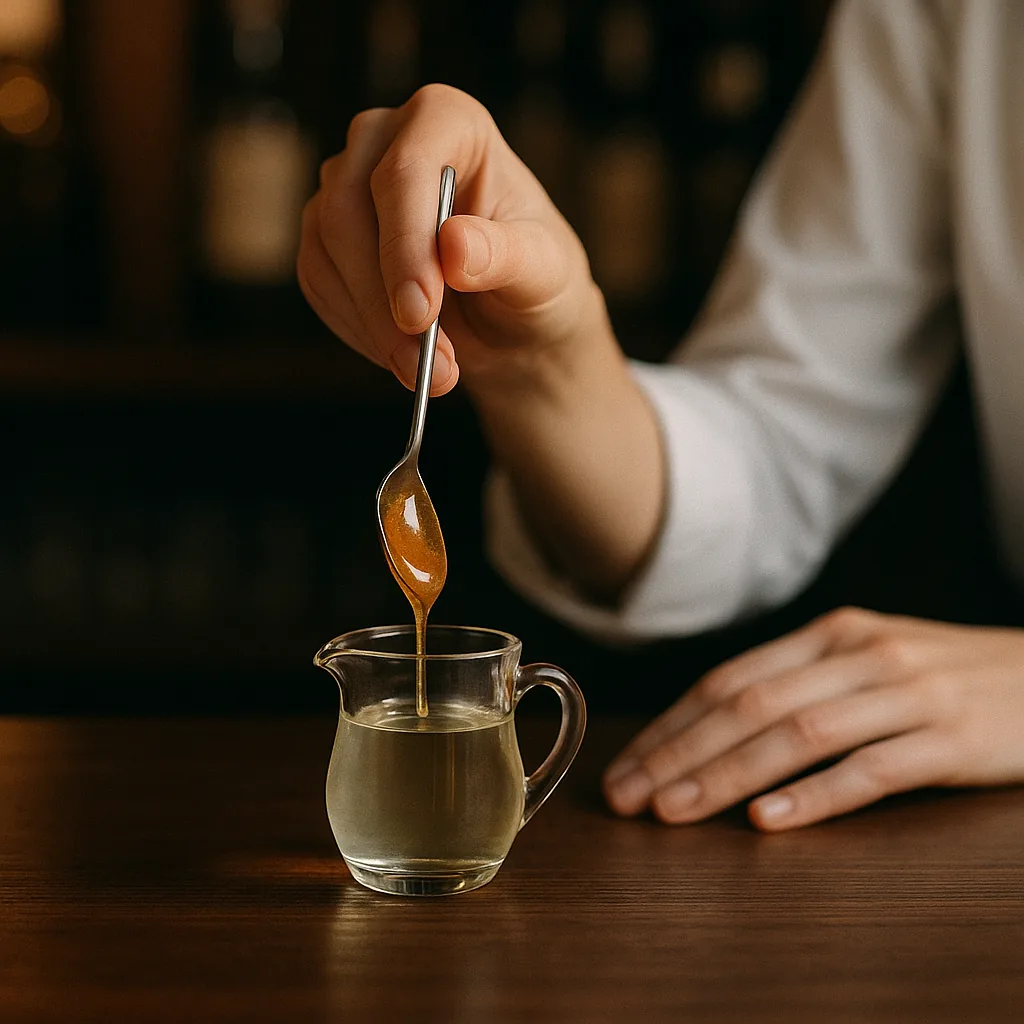
Same first move, except the honey goes into sugar syrup instead of water. Sweeter, and it holds together better in the glass.
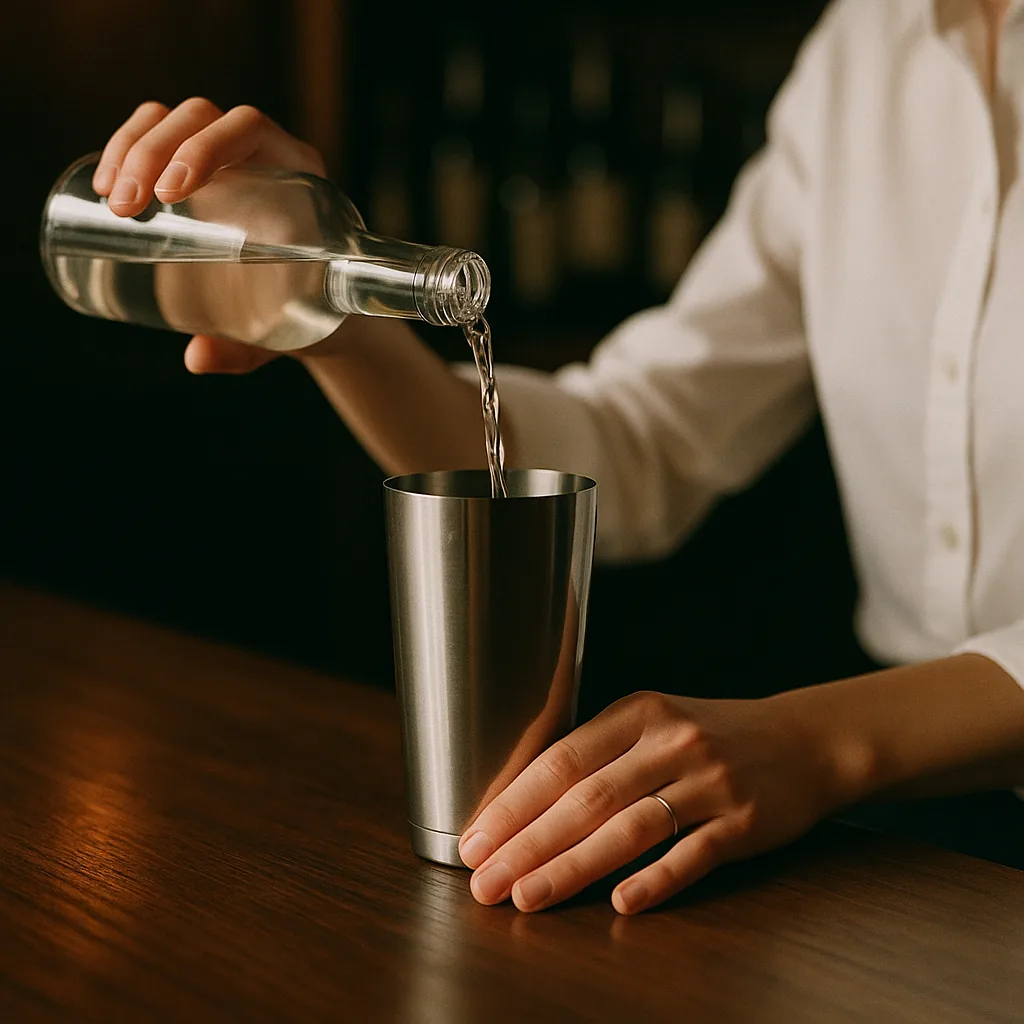
Fifty-two and a half of gin. The odd number is the official one — round it to fifty and nobody will stop you.
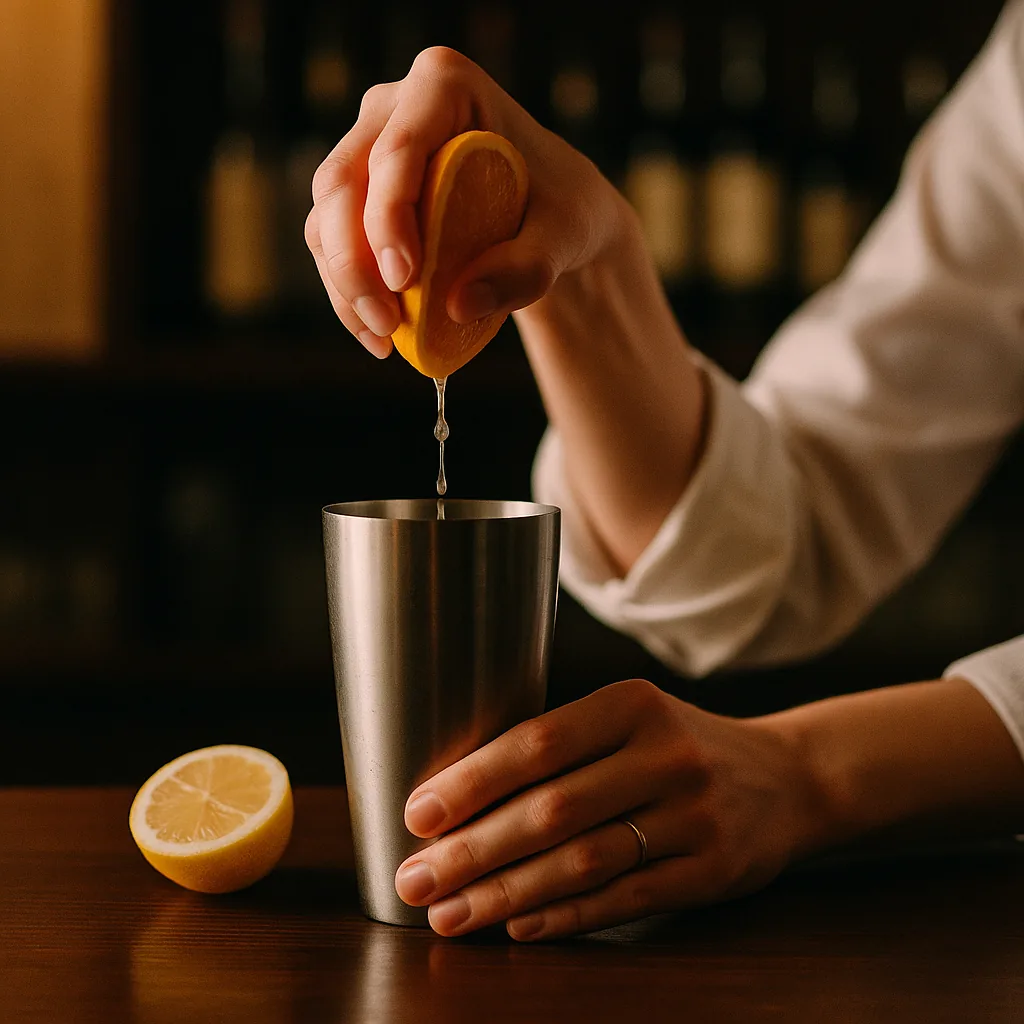
Orange as well as lemon, equal measures of each. This is the whole difference, and it takes the bite off.
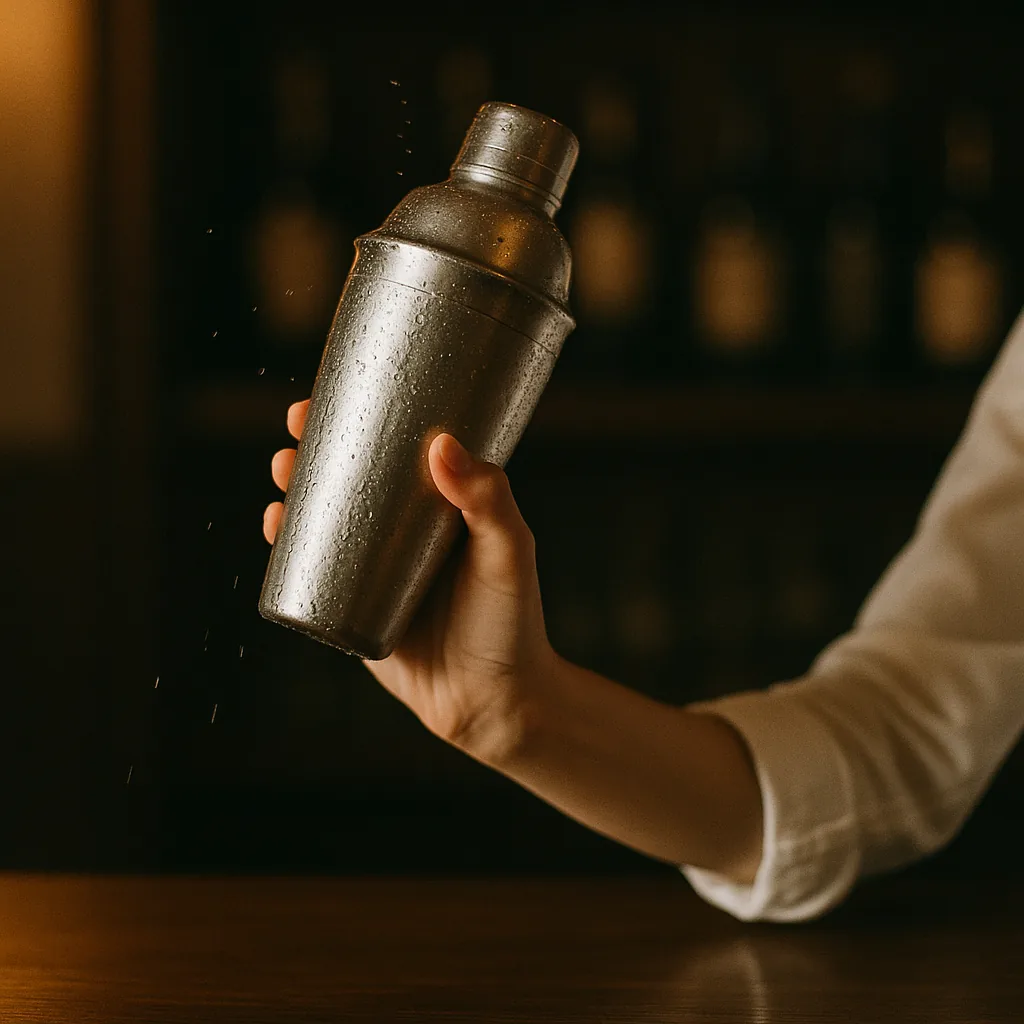
Shake it hard. More juice in the tin means more air goes in, which is where that fine foam at the rim comes from.
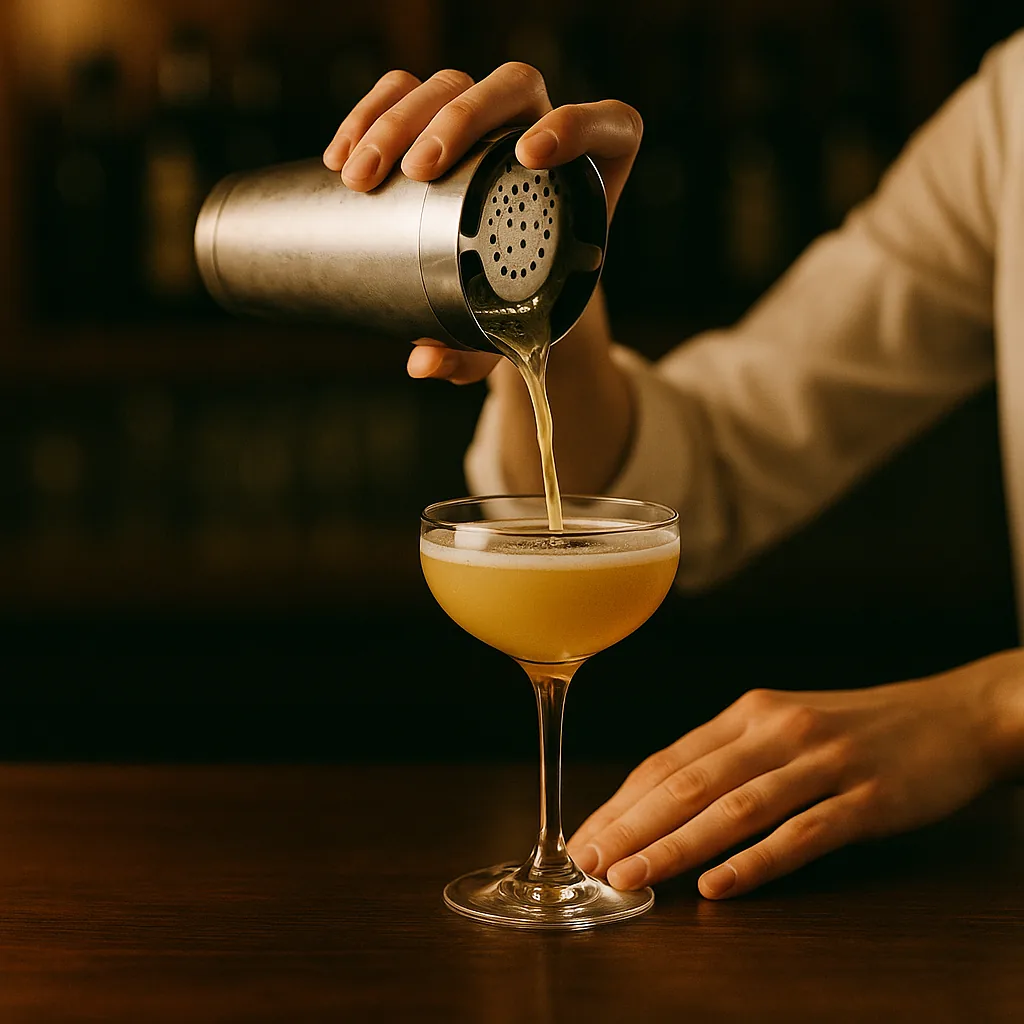
Strain up. Rounder than the original and easier to drink, which is either the point or the problem, depending on who you ask.
From the collection — 1 bottle
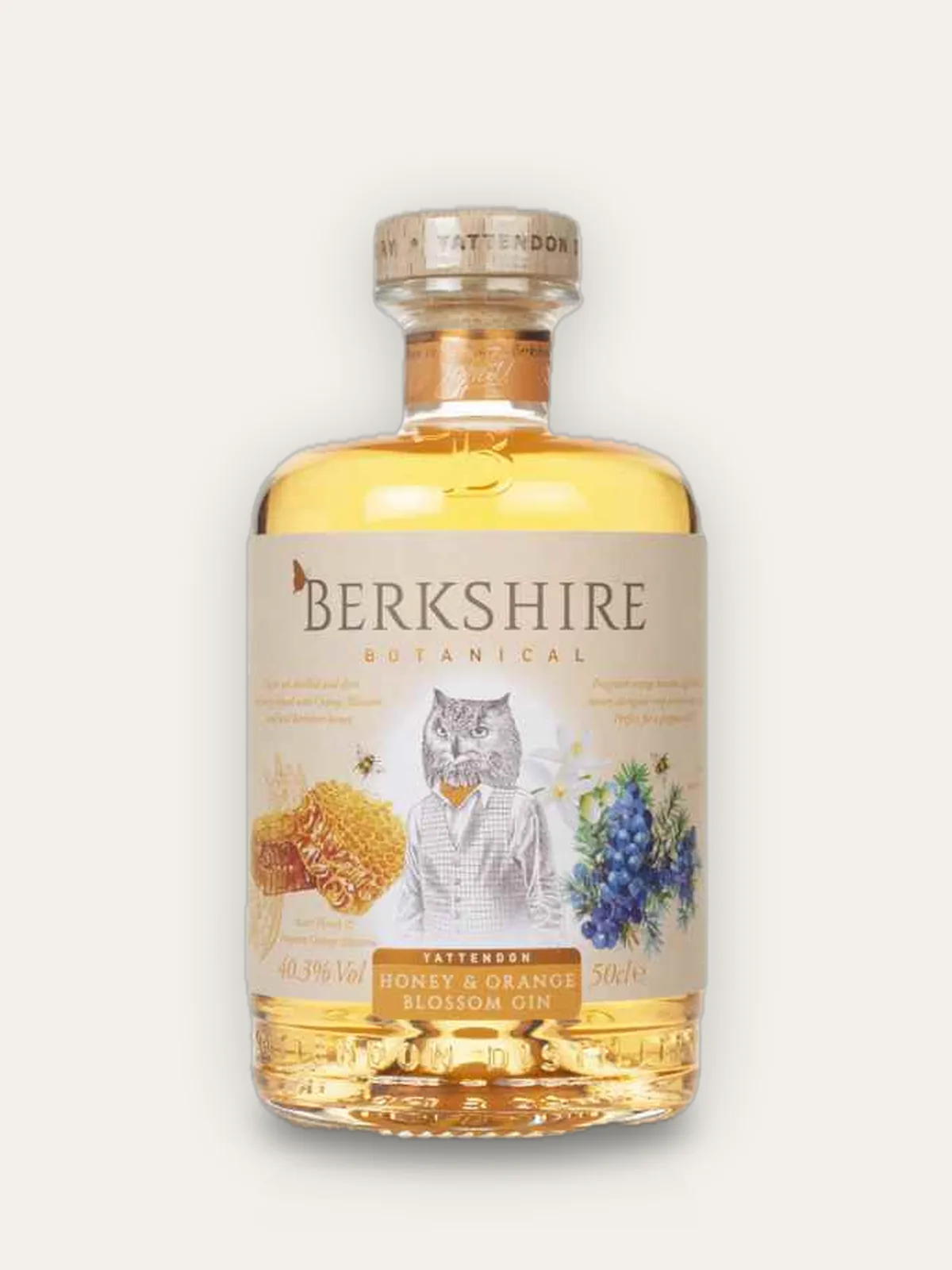
Berkshire Botanical
Honey & Orange Blossom
The honey already in the gin doubles the honey syrup, so you can cut the syrup back and let the orange blossom sit where the lemon usually shouts.