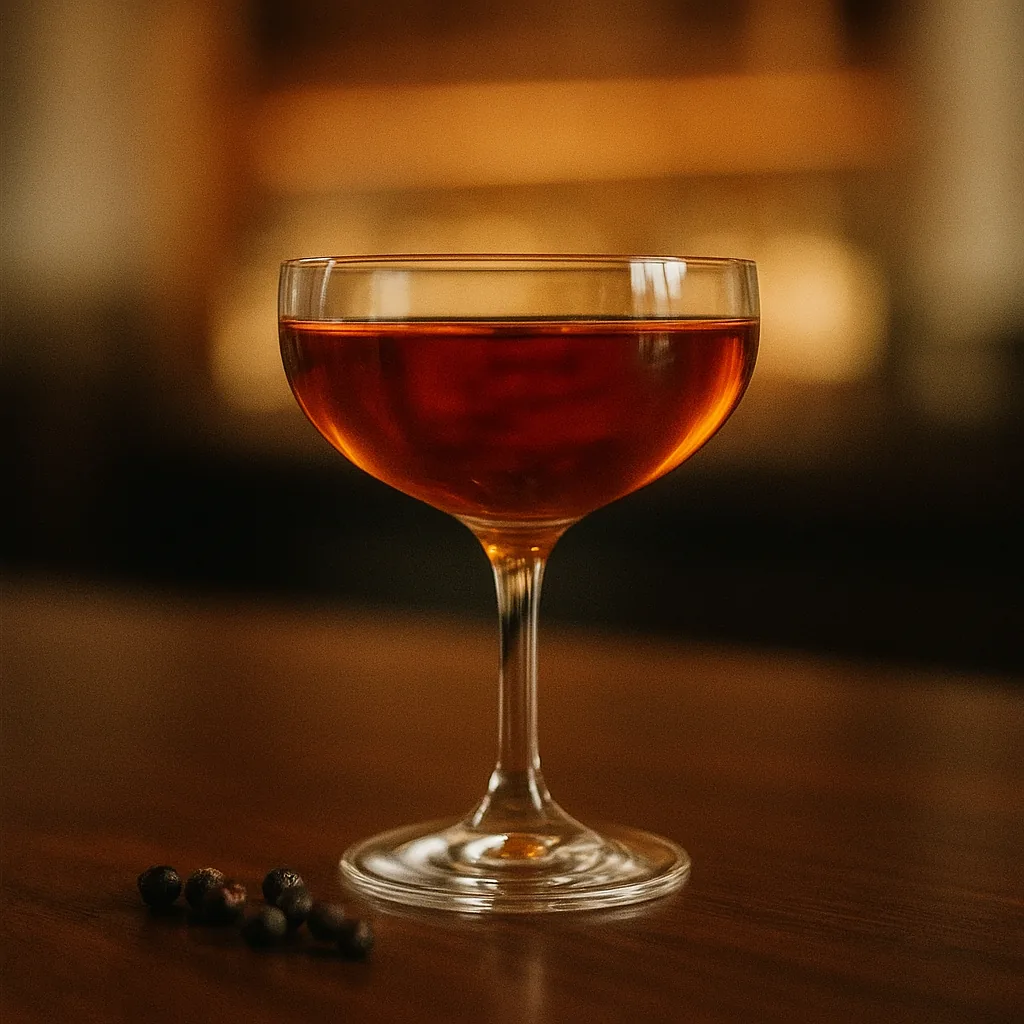
Martinez
Sweet vermouth leads here, dark and herbal, with maraschino adding a nutty cherry weight underneath and orange bitters lifting the finish. It drinks rich and slow, more sipping than sharp. The gin needs backbone — juniper and spice enough to cut the sugar — or the vermouth simply swallows it.
- 45 ml
- gin
- 45 ml
- sweet vermouth
- 1 bar spoon
- maraschino liqueur
- 2 dashes
- orange bitters
Stirred over ice, strained, orange twist.
The drink and how it got here
The Martinez is where the Martini comes from, and its own beginning is unclear in the usual way. One account has Jerry Thomas making it at the Occidental Hotel in San Francisco; another a bartender named Richelieue in a saloon in the town of Martinez, California. Neither can be checked, and both towns have kept telling their version anyway.
The earliest printed appearance is barely a recipe. O. H. Byron's guide of 1884 gives the Martinez in a single line — the same as a Manhattan, only gin instead of whisky — and leaves you to look up the Manhattan, which in the same book is two dashes of curaçao, two of Angostura, half a wine glass of whisky and half of Italian vermouth. That is the whole entry.
Three years later Jerry Thomas's 1887 Bar-Tender's Guide prints it properly, and the proportions are the surprise: one pony of Old Tom gin to a wine glass of vermouth — twice as much vermouth as gin — with maraschino, Boker's Bitters and a slice of lemon. Sweet gin, sweet vermouth, and the vermouth in charge.
After that the two names walk in opposite directions. What kept the name Martinez settled at equal parts, swapped Old Tom for London Dry and Boker's for orange bitters, and stayed sweet. What became the Martini went on drying out for another eighty years. Same ancestor, opposite ends — so the three guides below are one drink losing its sugar a decade at a time.
A Manhattan with gin
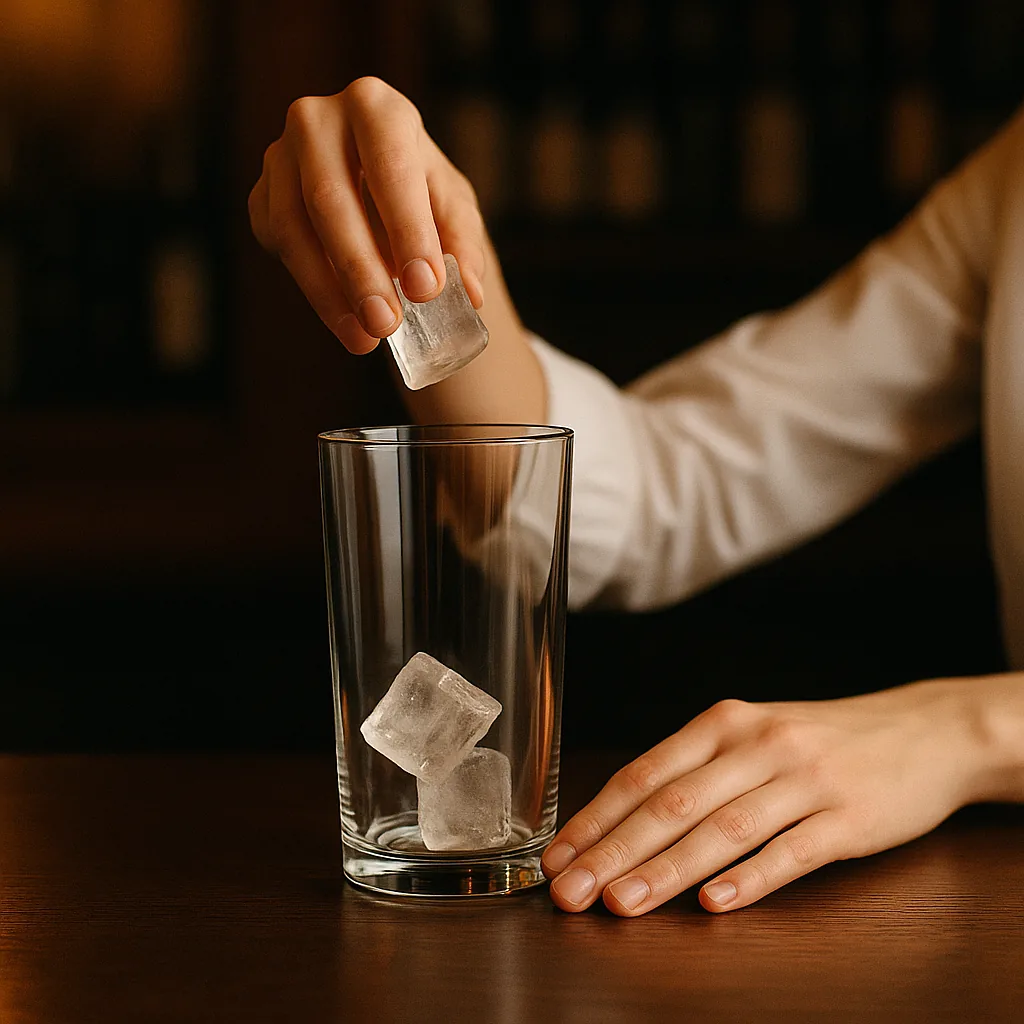
The first Martinez in print is one sentence: the same as a Manhattan, only gin instead of whisky. So we build a Manhattan.
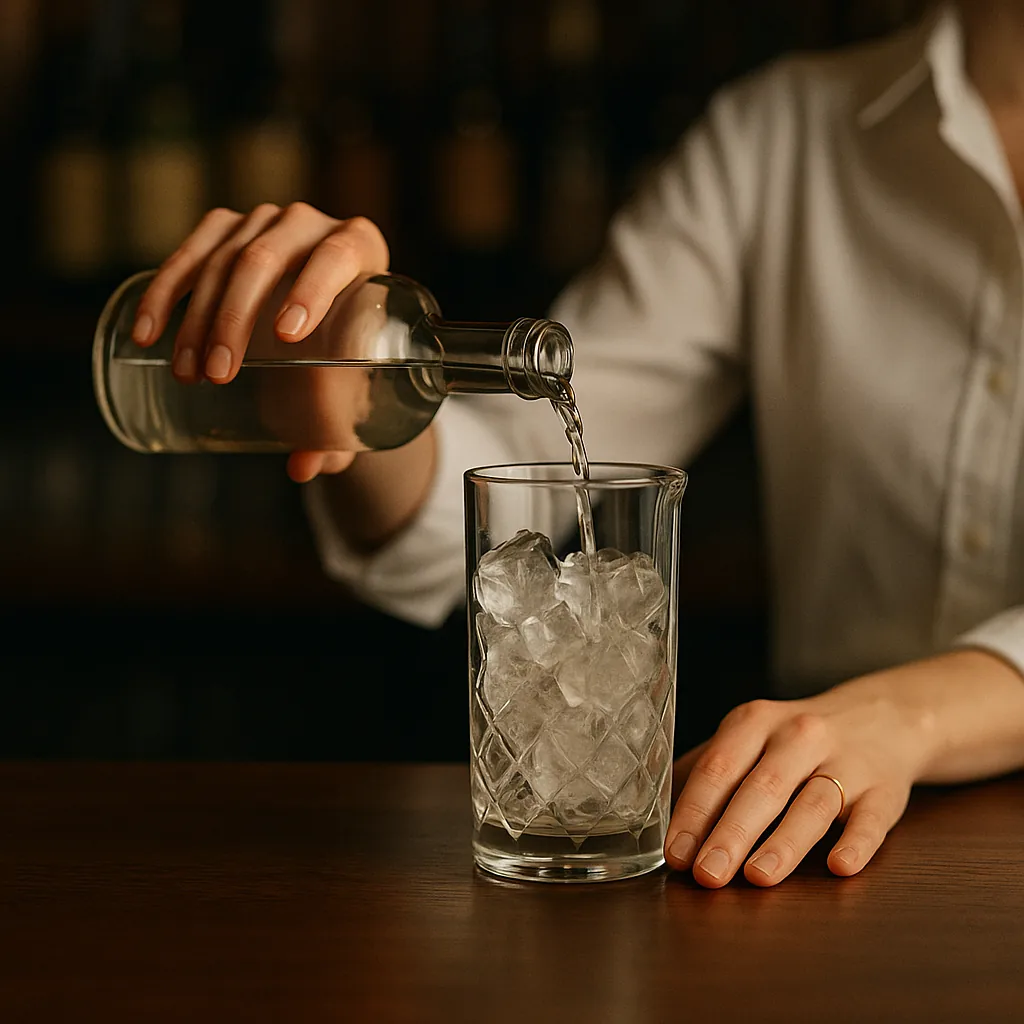
Half a wine glass of gin, exactly where the whisky would have gone. That single swap is the entire recipe.
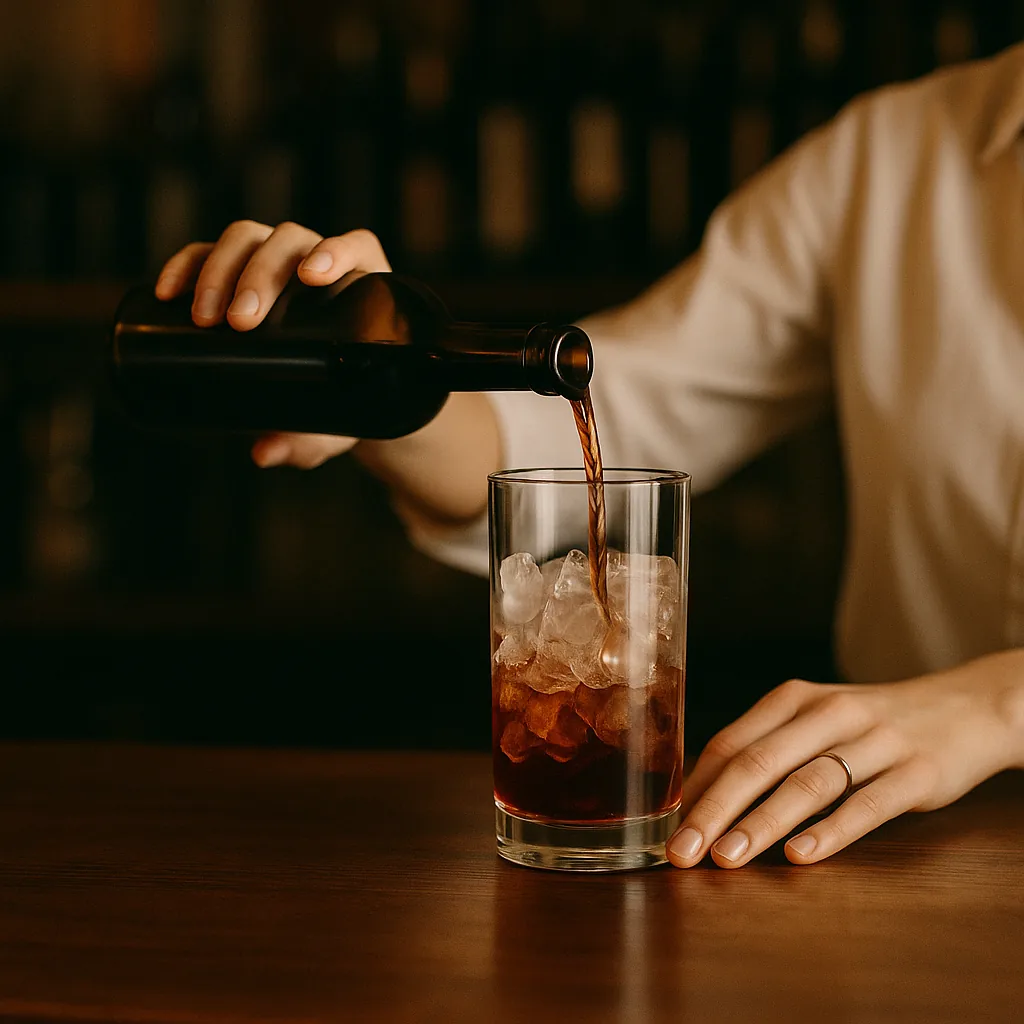
Half a wine glass of Italian vermouth. Equal parts already, and sweeter than anything anyone orders under this name now.
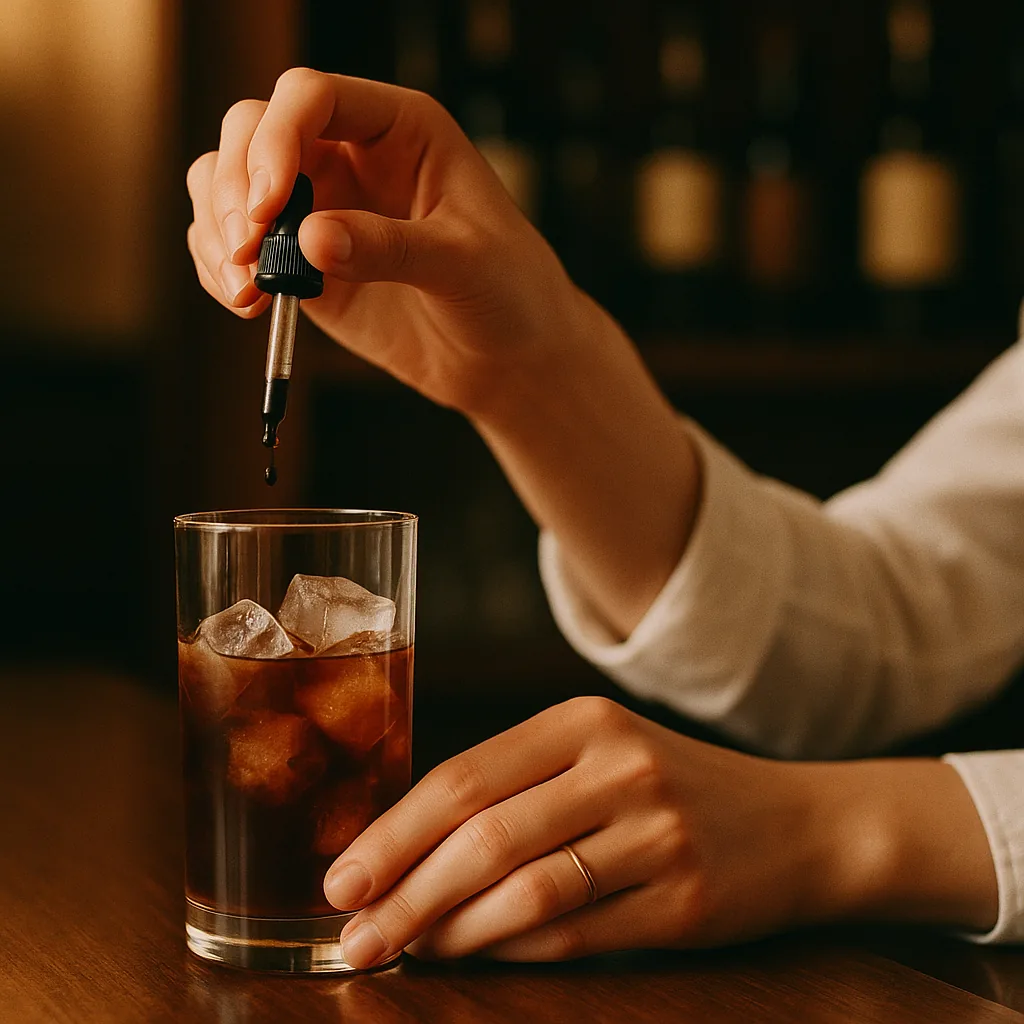
Two dashes of curaçao, two of bitters. In 1884 a cocktail without bitters was not considered a cocktail at all.
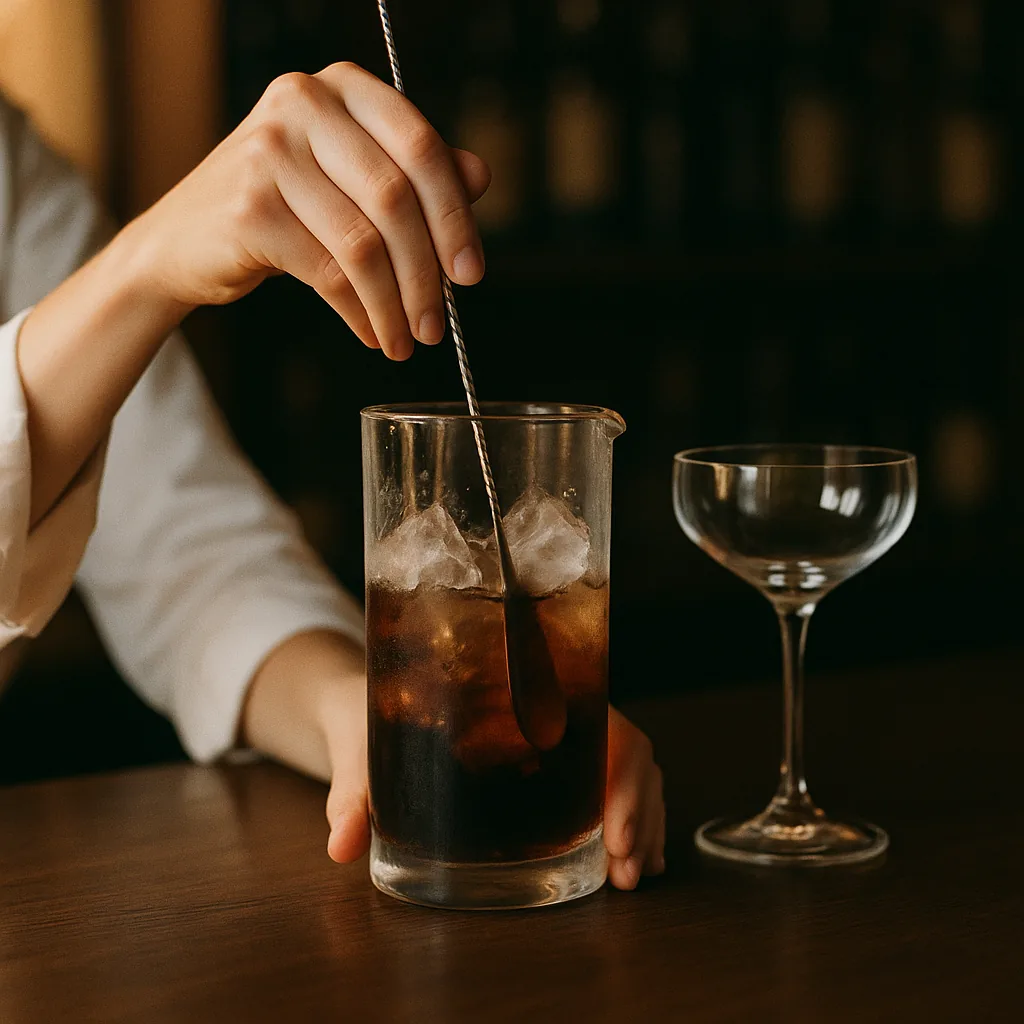
Stir it cold and strain. Nothing here would pass for a Martini today, and nobody in 1884 expected it to.
Twice the vermouth
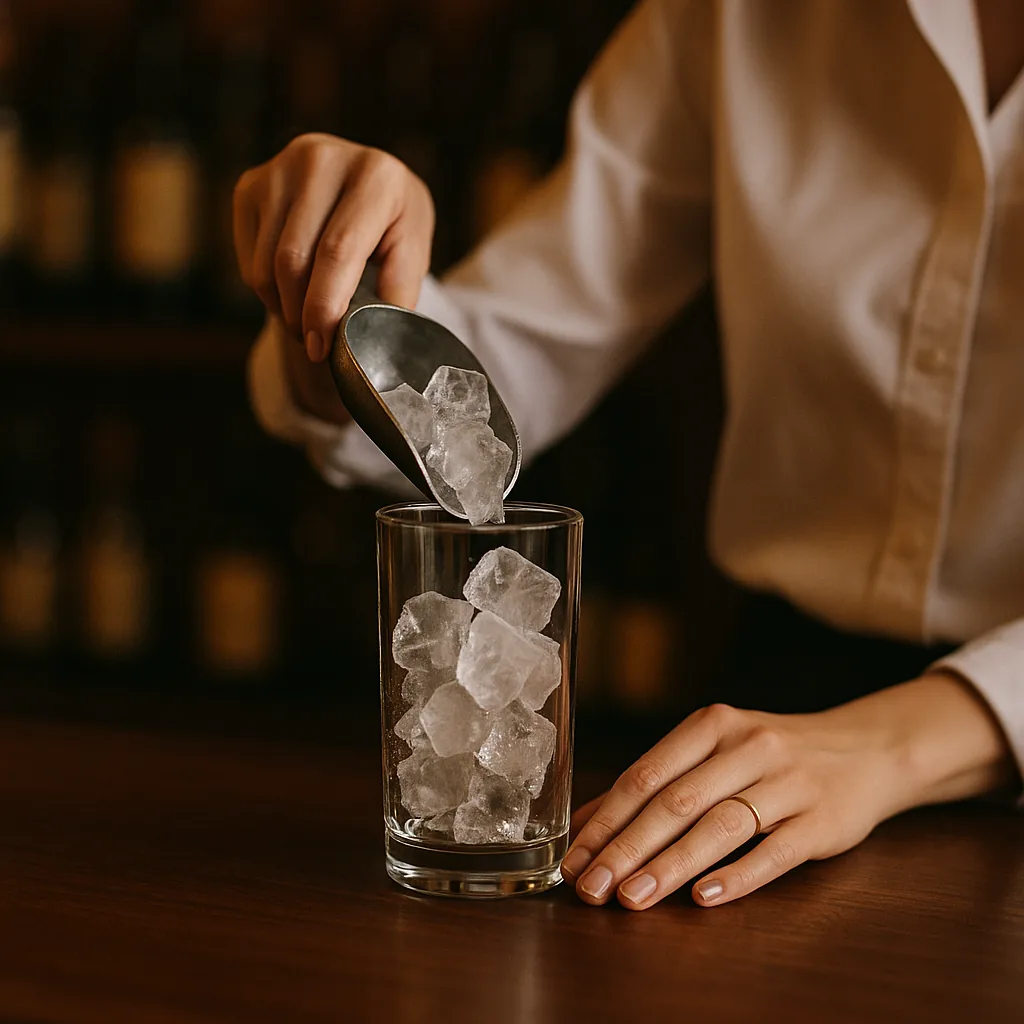
Thomas prints it out in full three years later, and the proportions are where the shock is.
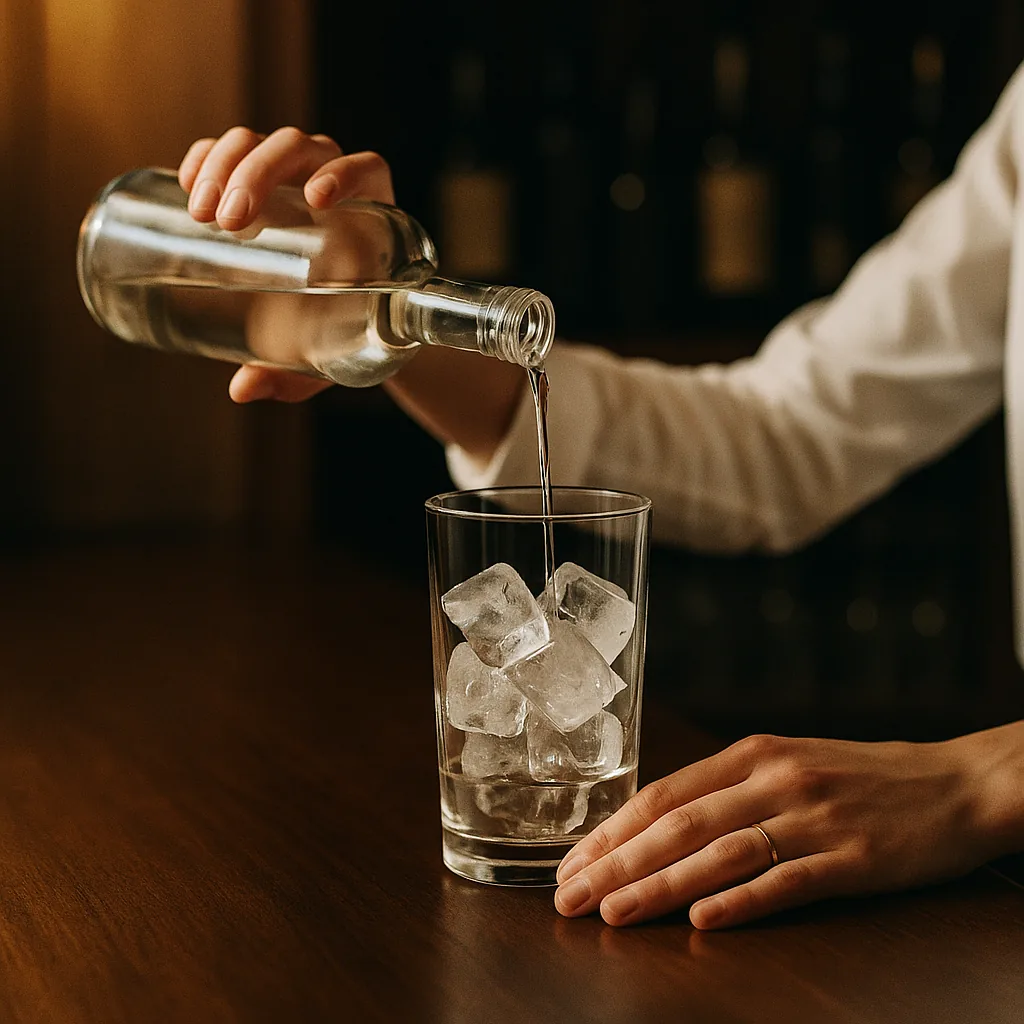
One pony of Old Tom gin — the sweet kind. This is the smaller pour, and that is not a mistake.
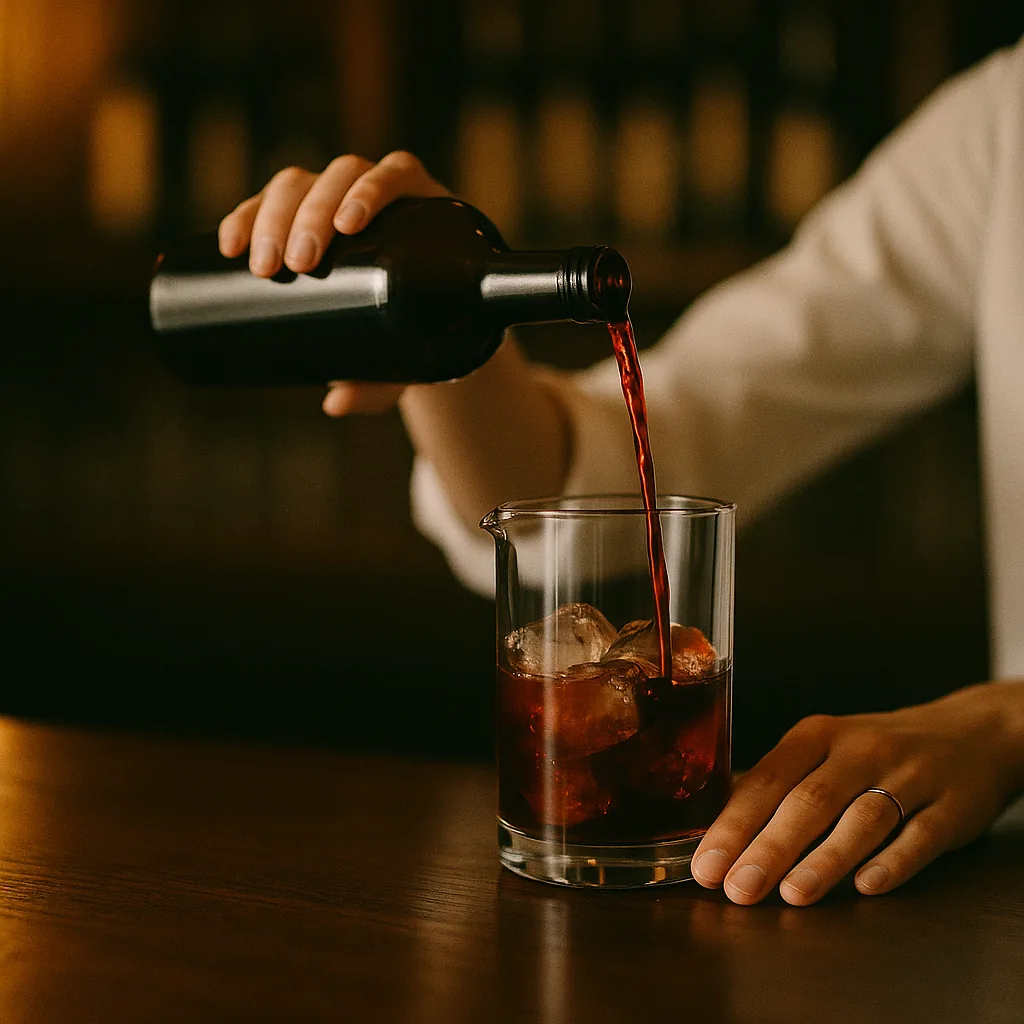
A full wine glass of vermouth — twice the gin. This was a vermouth drink with gin in it, not the other way round.
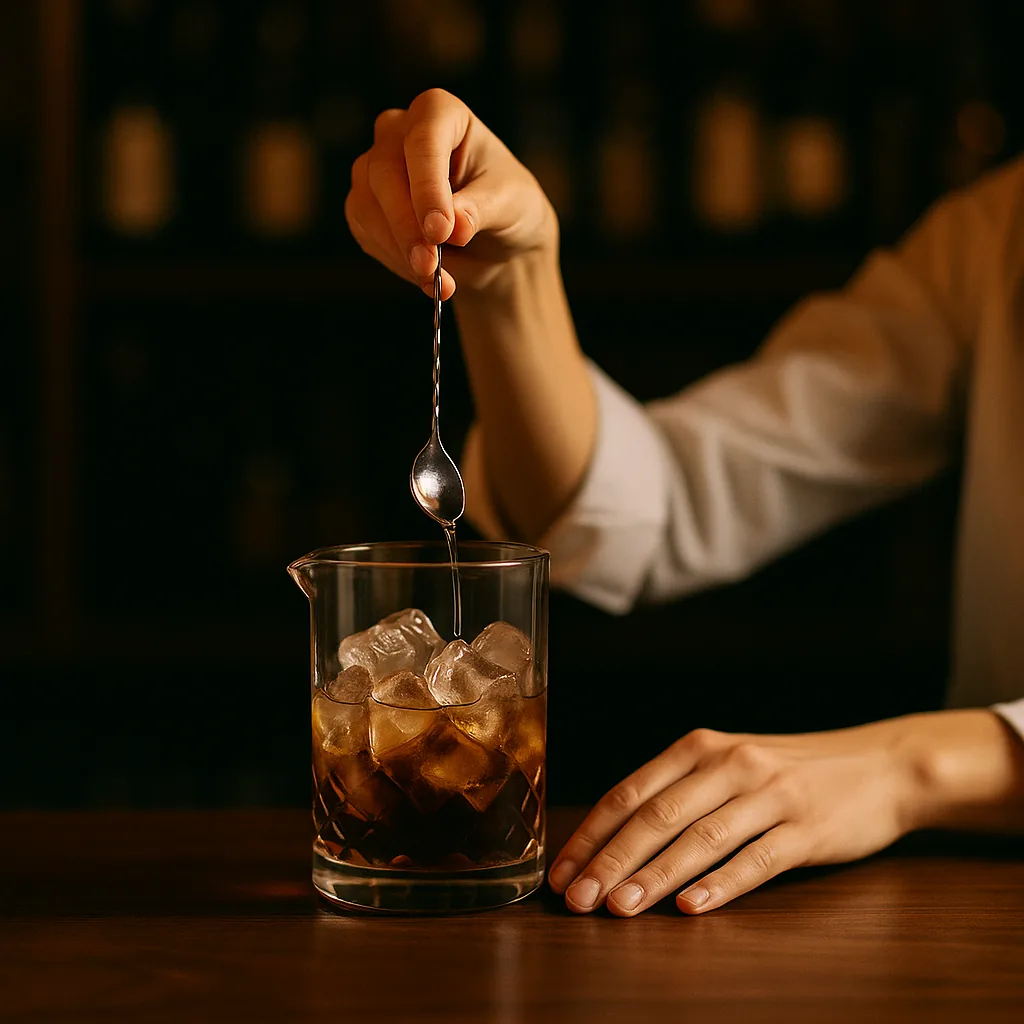
Two dashes of maraschino, one of Boker's Bitters. Cherry and spice stacked on top of all that sugar.
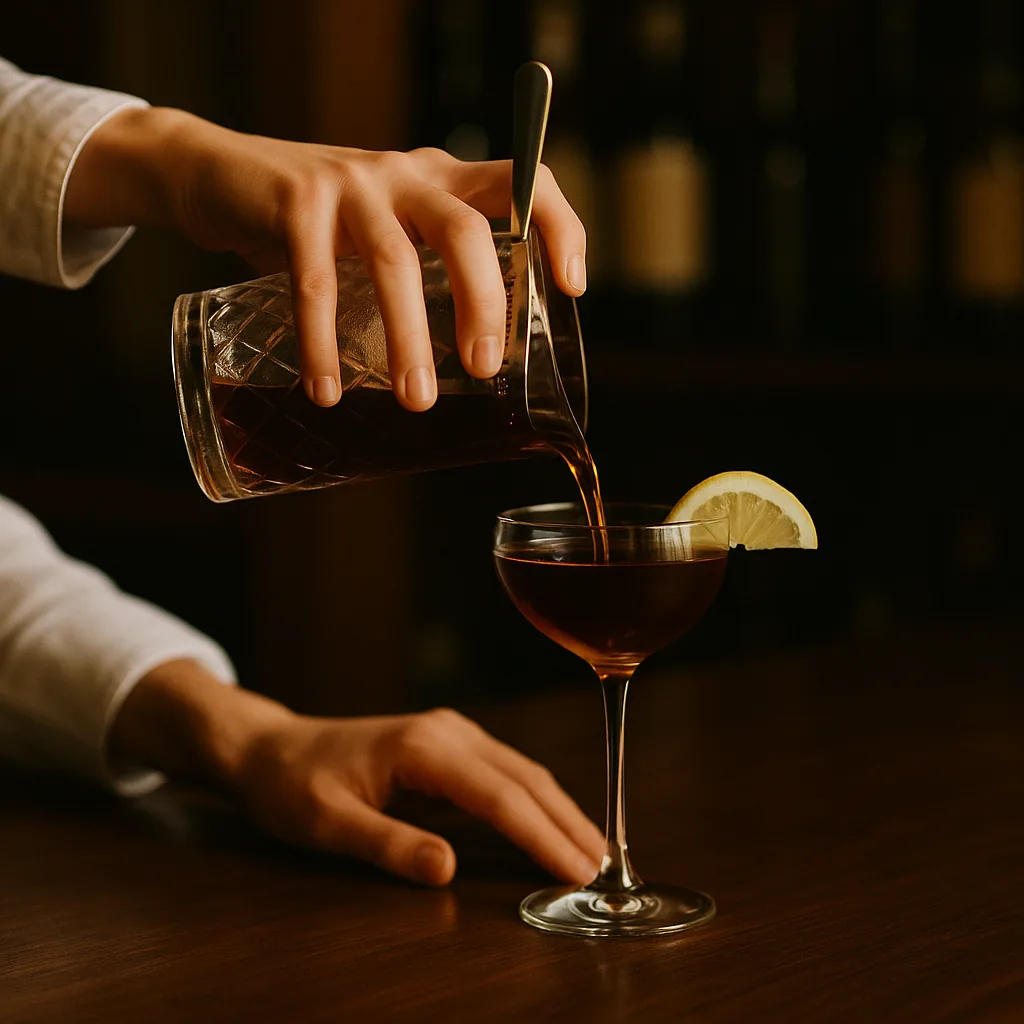
Strain, slice of lemon. Rich and sweet — nearer a dessert than the cold dry thing its own grandchild turned into.
Equal parts, as it settled
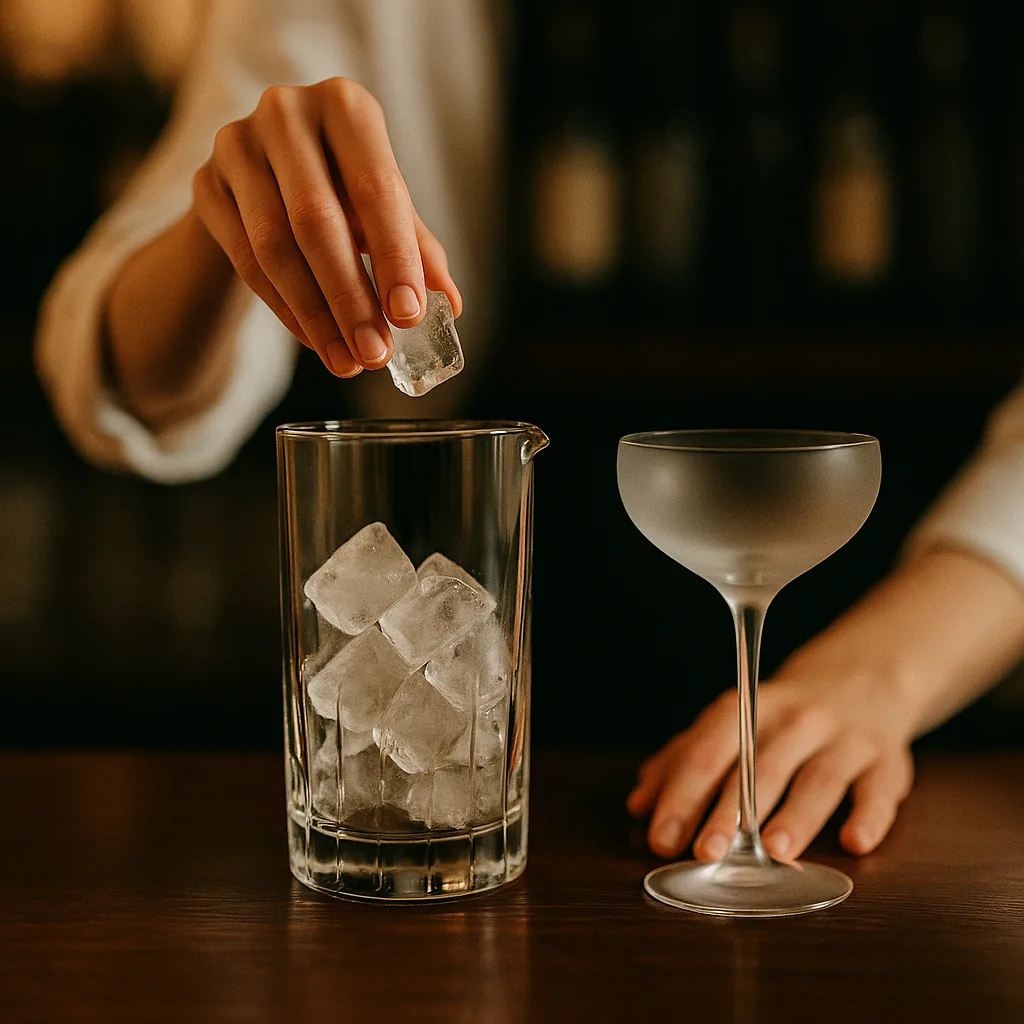
The version that survived. Equal parts, and London Dry instead of Old Tom — the sugar came out of the gin first.
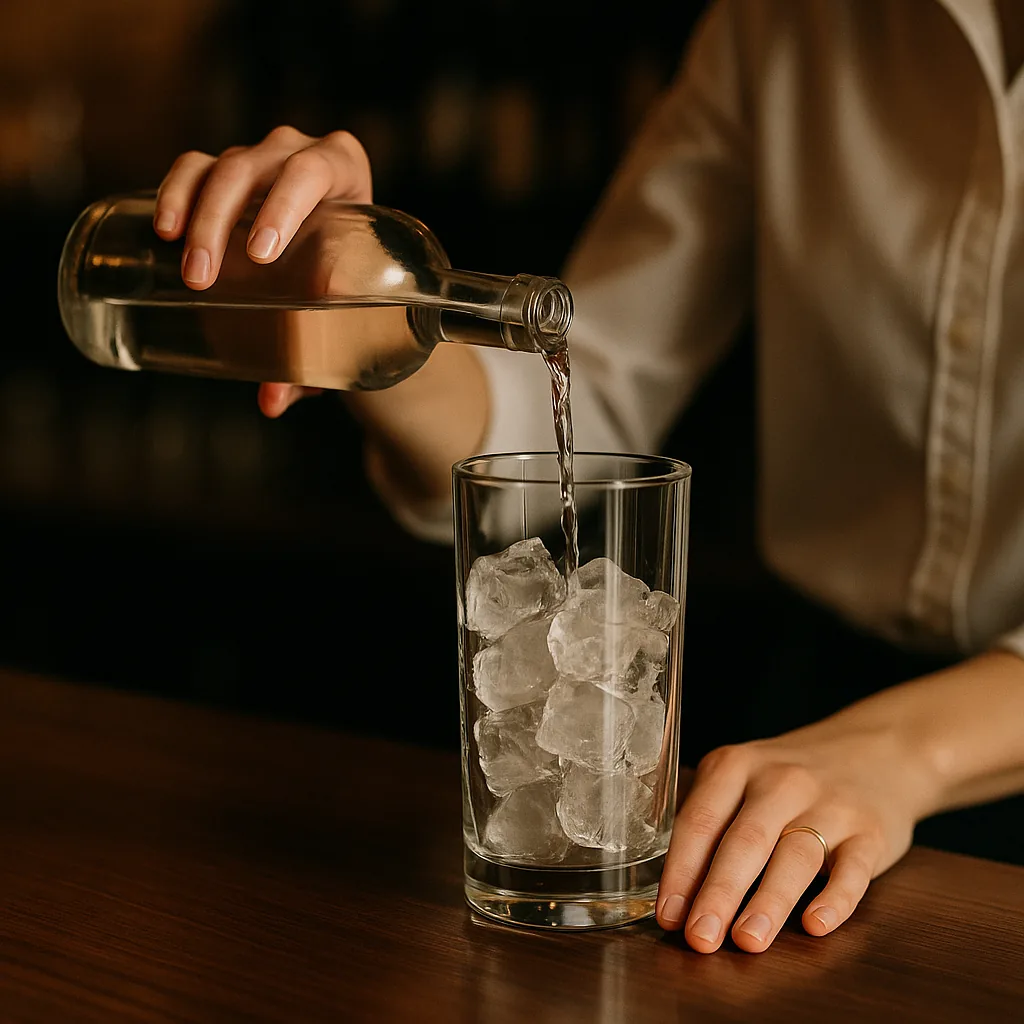
Forty-five of gin, and dry now. The drink has to find its sweetness somewhere other than the bottle.
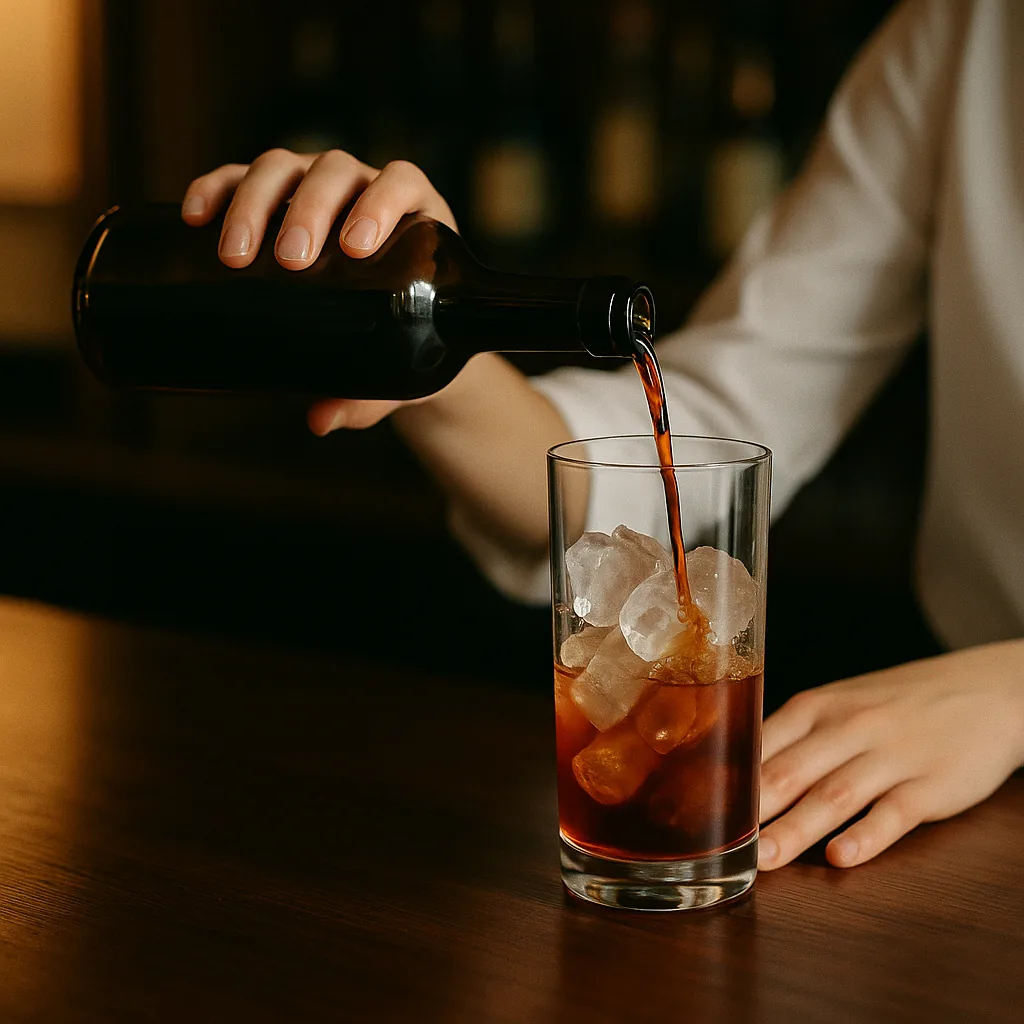
Forty-five of sweet vermouth. Equal, where Thomas had it running two to one against the gin.
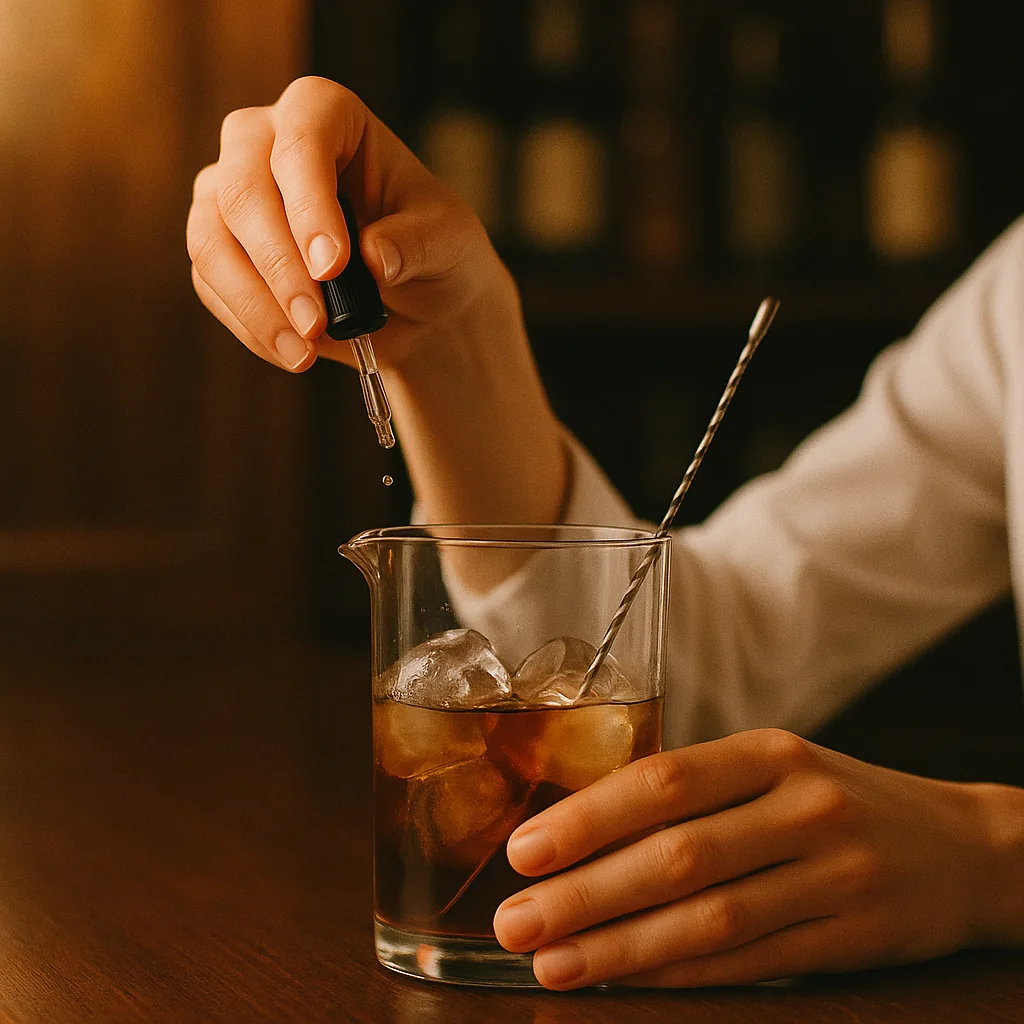
A bar spoon of maraschino, two dashes of orange bitters. The last two things it kept from 1887.
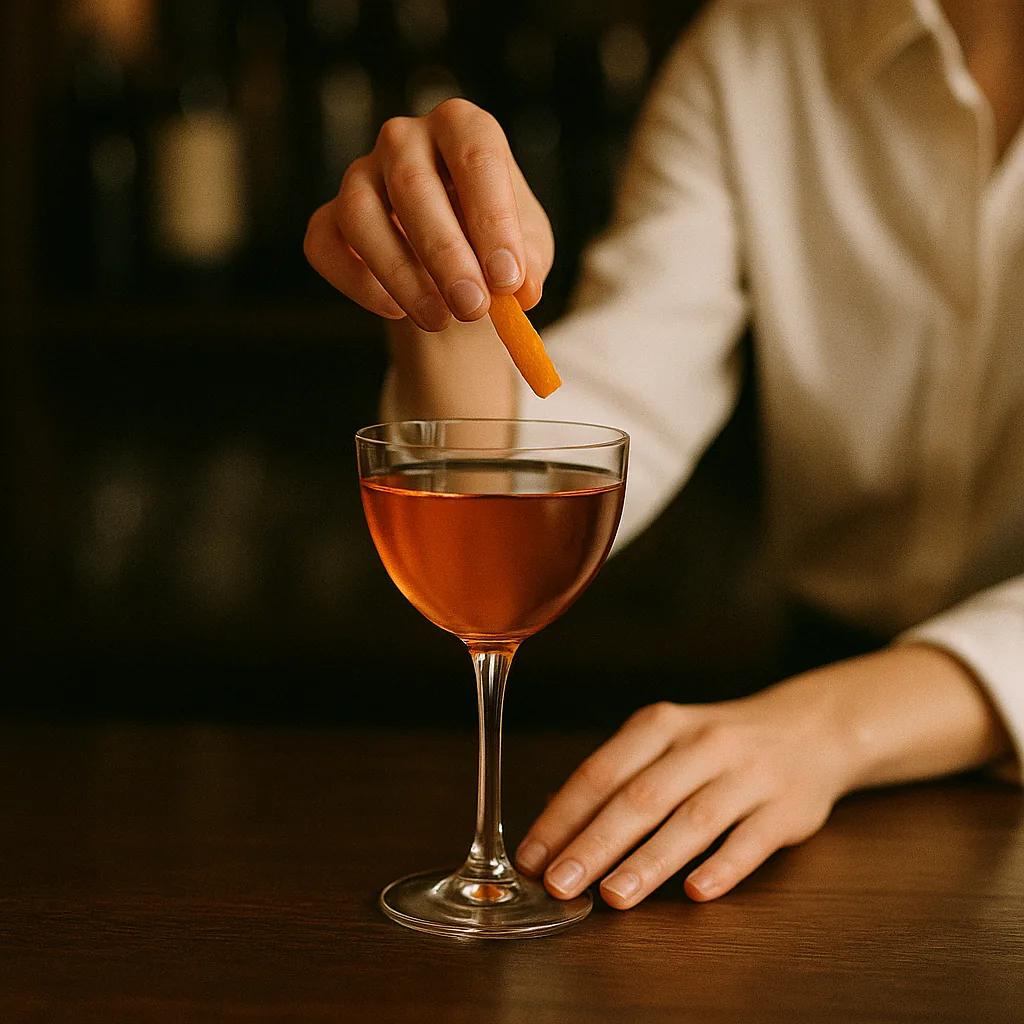
Stir, strain, orange zest. Set it beside a modern Martini and you can taste eighty years of sugar leaving the room.
From the collection — 2 bottles
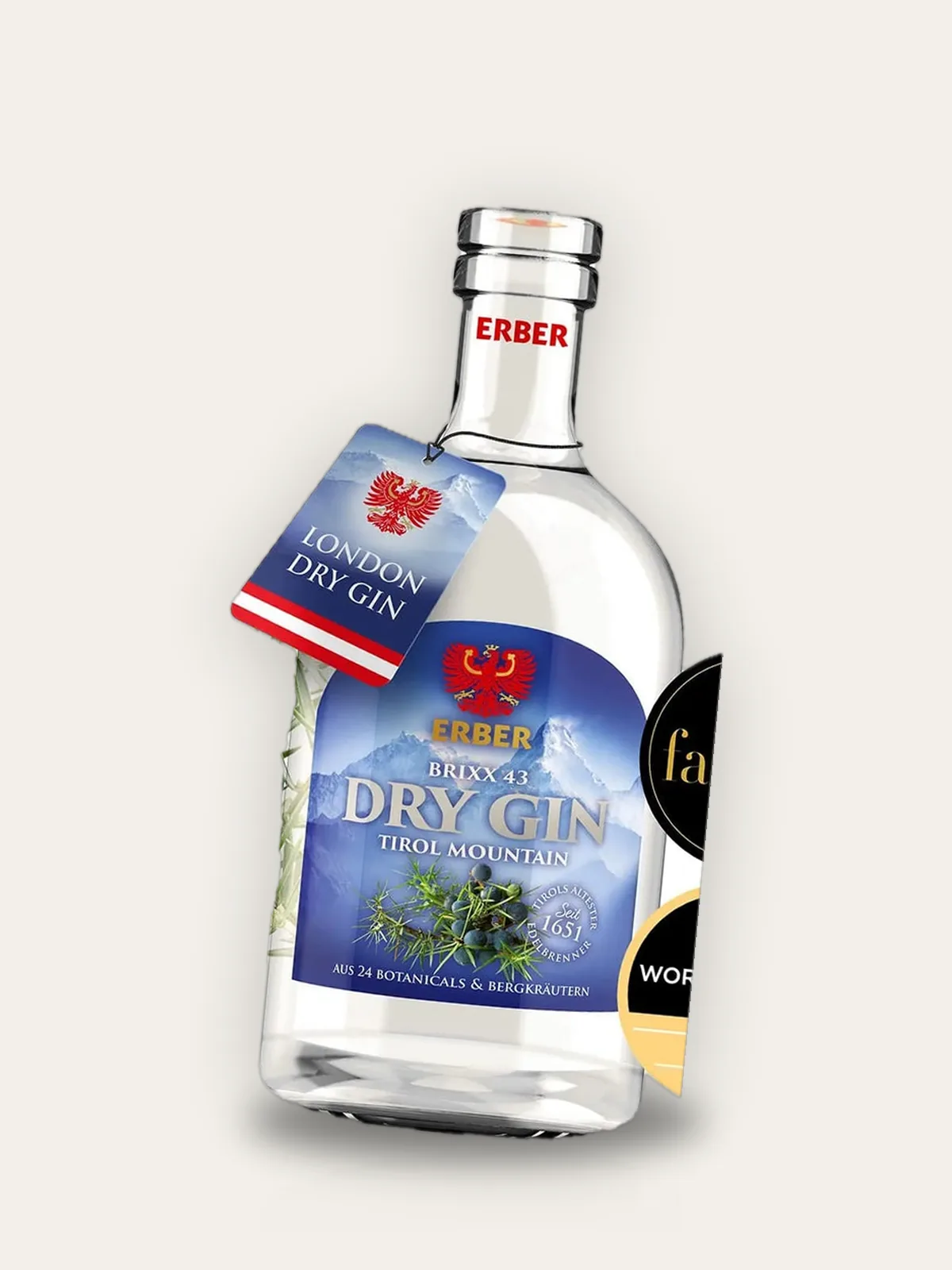
Erber
Brixx 43 Dry Gin Tirol Mountain
The dried Bergheu and firm Wacholder stand up to sweet vermouth and maraschino, where a softer gin would vanish under them.
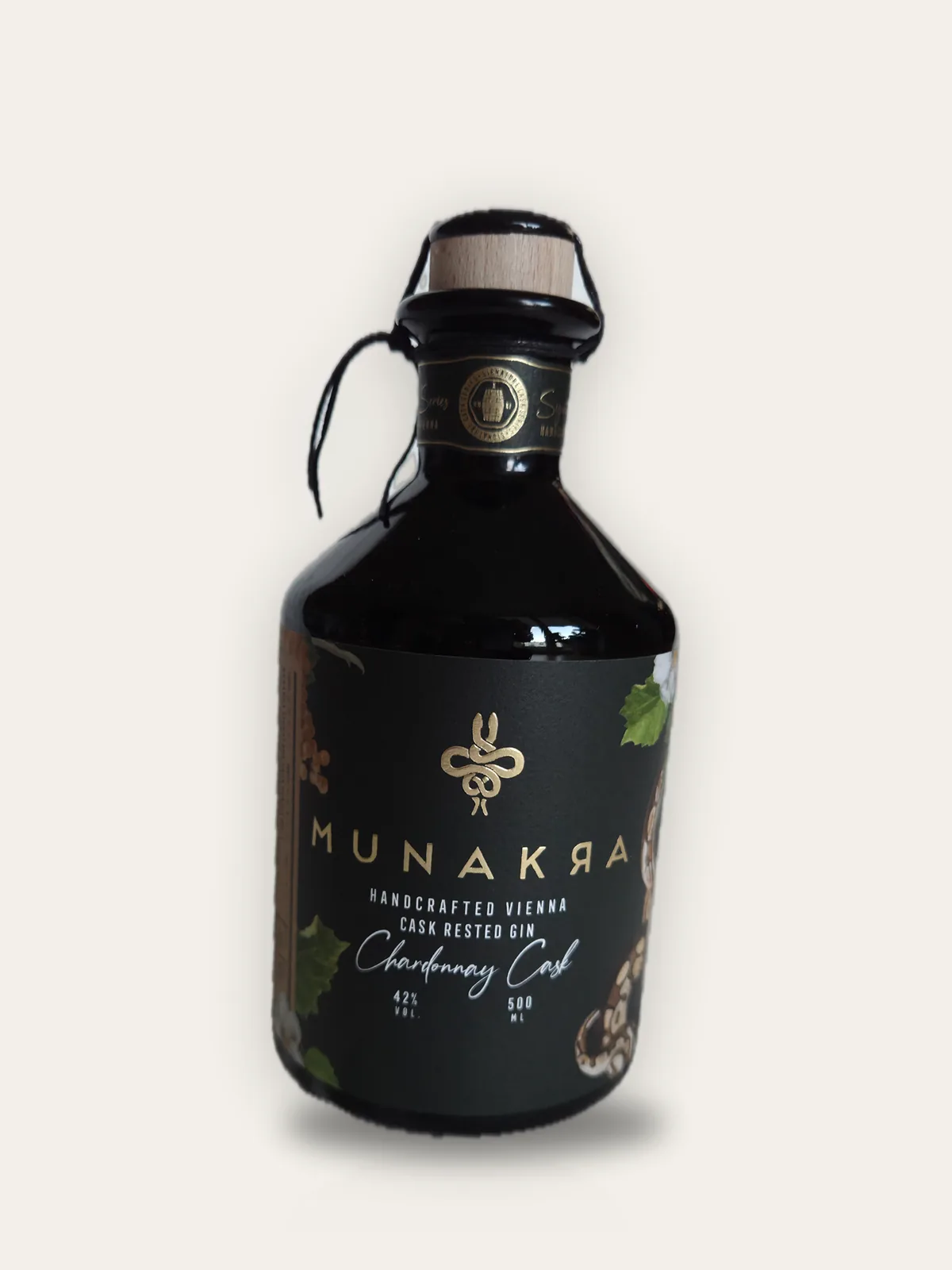
Munakra
Chardonnay Cask
The Chardonnay cask's oak and white-grape roundness meets sweet vermouth halfway, so the drink needs no help to feel wine-like.