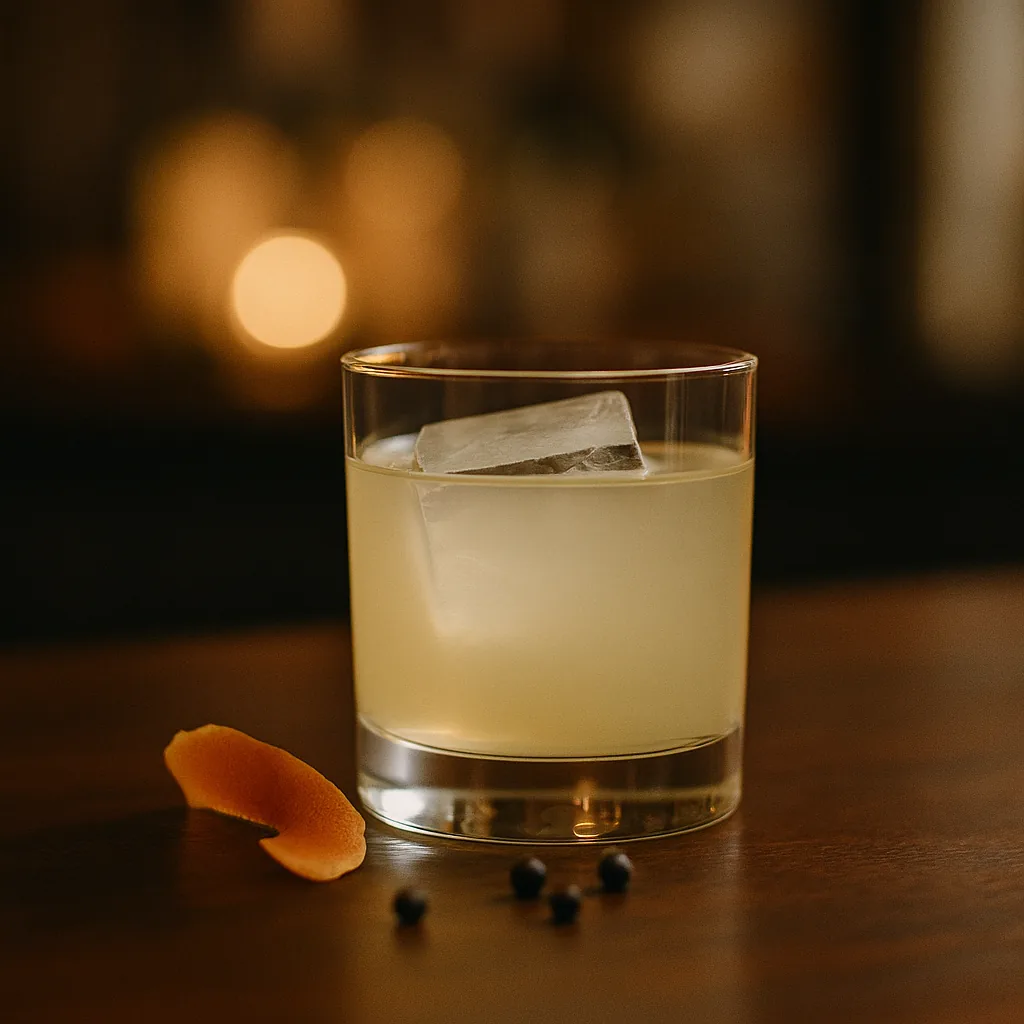
White Negroni
Bitterness here is bright rather than heavy: gentian's clean, rooty bite against the honeyed weight of blanc vermouth, with grapefruit oil sharpening the top. The gin has to push back, so juniper and a firm spine keep it from turning syrupy, though a floral bottle finds room in the finish.
- 30 ml
- gin
- 30 ml
- gentian aperitif
- 30 ml
- blanc vermouth
- grapefruit
Stirred over ice, grapefruit peel.
The drink and how it got here
Start with what this is a variation of. The Negroni is equal parts gin, red vermouth and Campari, made in Florence around 1919 when Count Camillo Negroni asked for gin in place of the soda in his Americano. Three things in equal measure, one of them bitter — that is the shape.
The White Negroni keeps the shape and swaps the two things that are not gin. Campari goes out and a gentian aperitif comes in; red vermouth goes out and a blanc comes in. Wikipedia lists it among the Negroni variations in exactly those terms — gin, Lillet blanc and Suze — which is the whole documented record of it.
Who first made it, and when, we are not going to tell you, because we could not source it. There is a story that circulates about a bartender improvising it in France in the early 2000s when the right bottles were not to hand, and it may well be true, but a story we cannot check is not a fact and this site does not print those.
What can be said is why the swap works. Gentian is bitter in a different register to Campari — rooty and dry rather than sweet and red — and the blanc vermouth brings honey and white flowers where the rosso brought caramel. Same architecture, daylight instead of dusk. One guide, because there is only one documented way to build it.
Equal parts, stirred
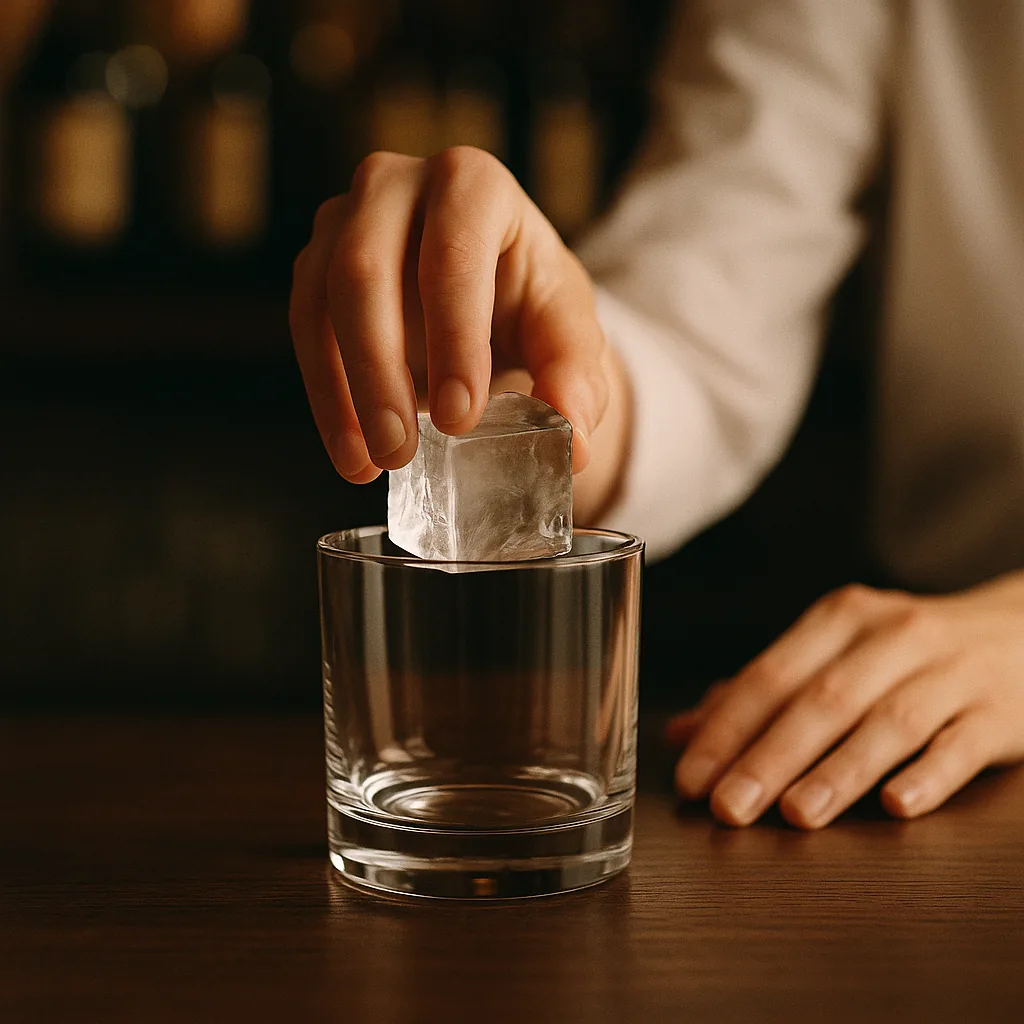
One big cube. This drink sits in the glass for a while, and a big cube melts slower than the same weight of small ones.
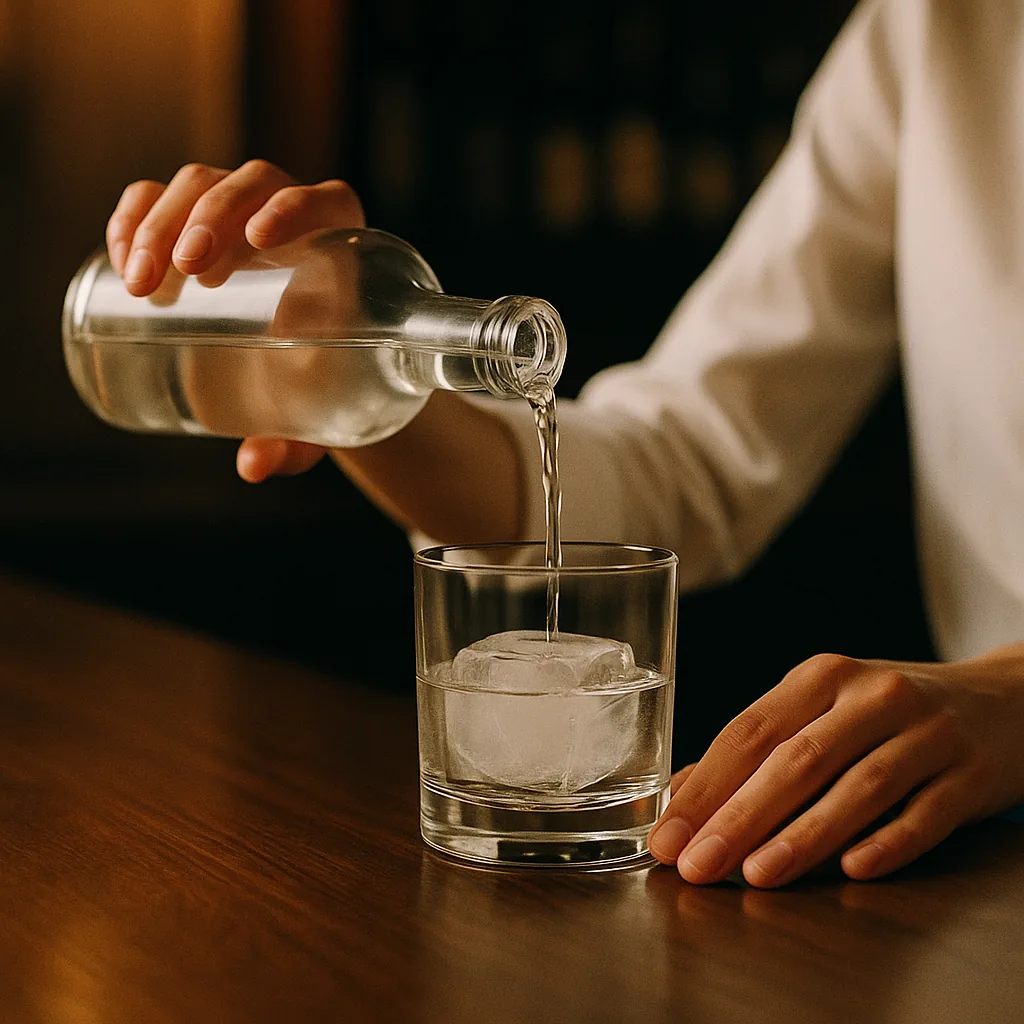
Thirty of gin. Equal parts all the way through — that rule survives the swap intact.
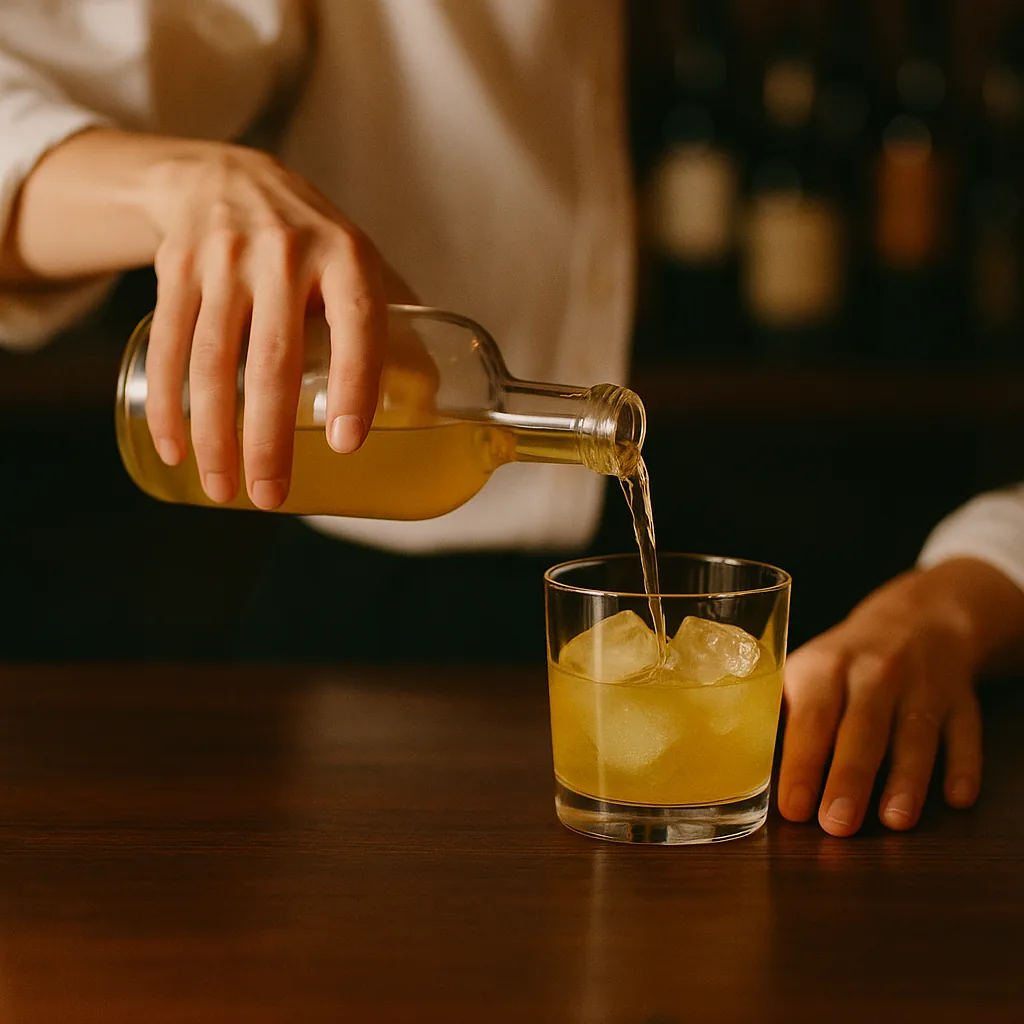
Thirty of gentian. This is where the Campari would go, and it is the swap the whole drink is named for.
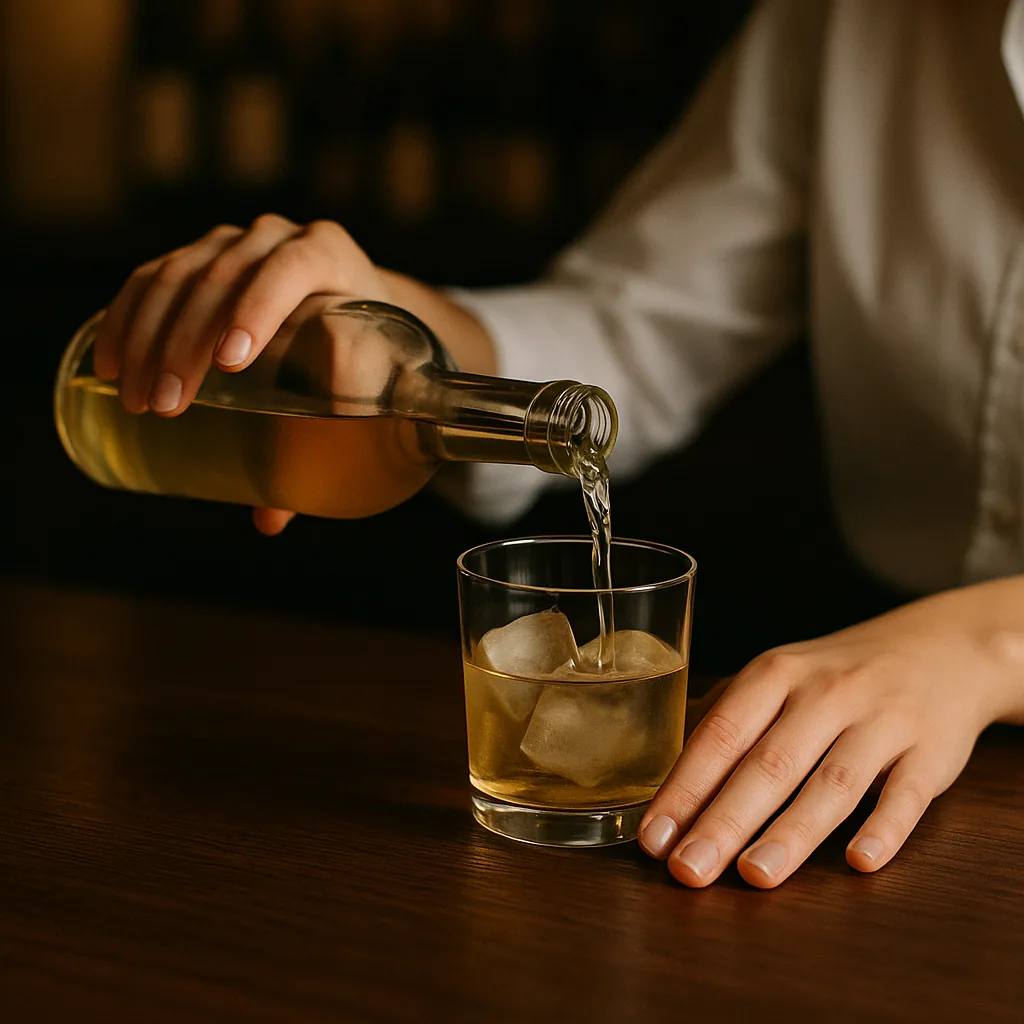
Thirty of blanc vermouth in place of the rosso. Honey and white flowers where the red one gave you caramel.
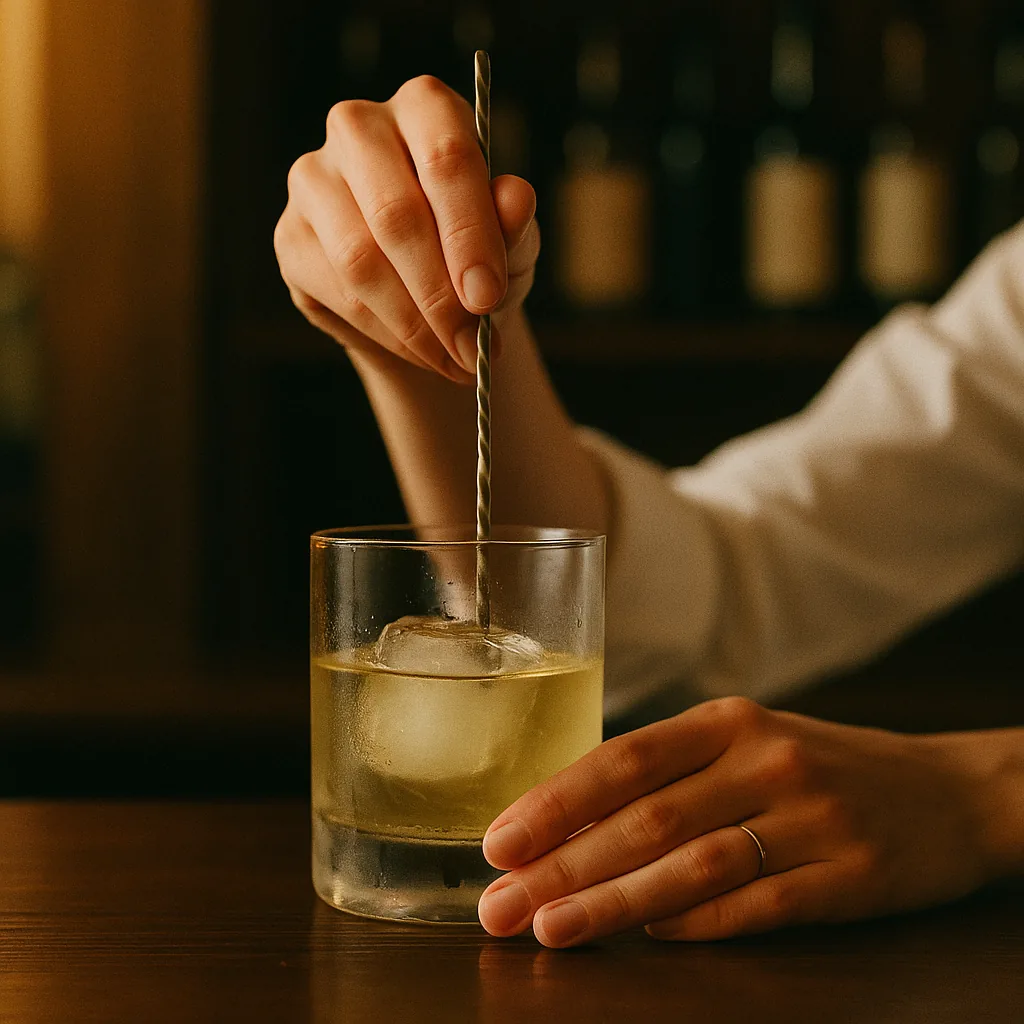
Stir it in the glass, no shaker. Nothing cloudy is going in, so nothing should come out cloudy.
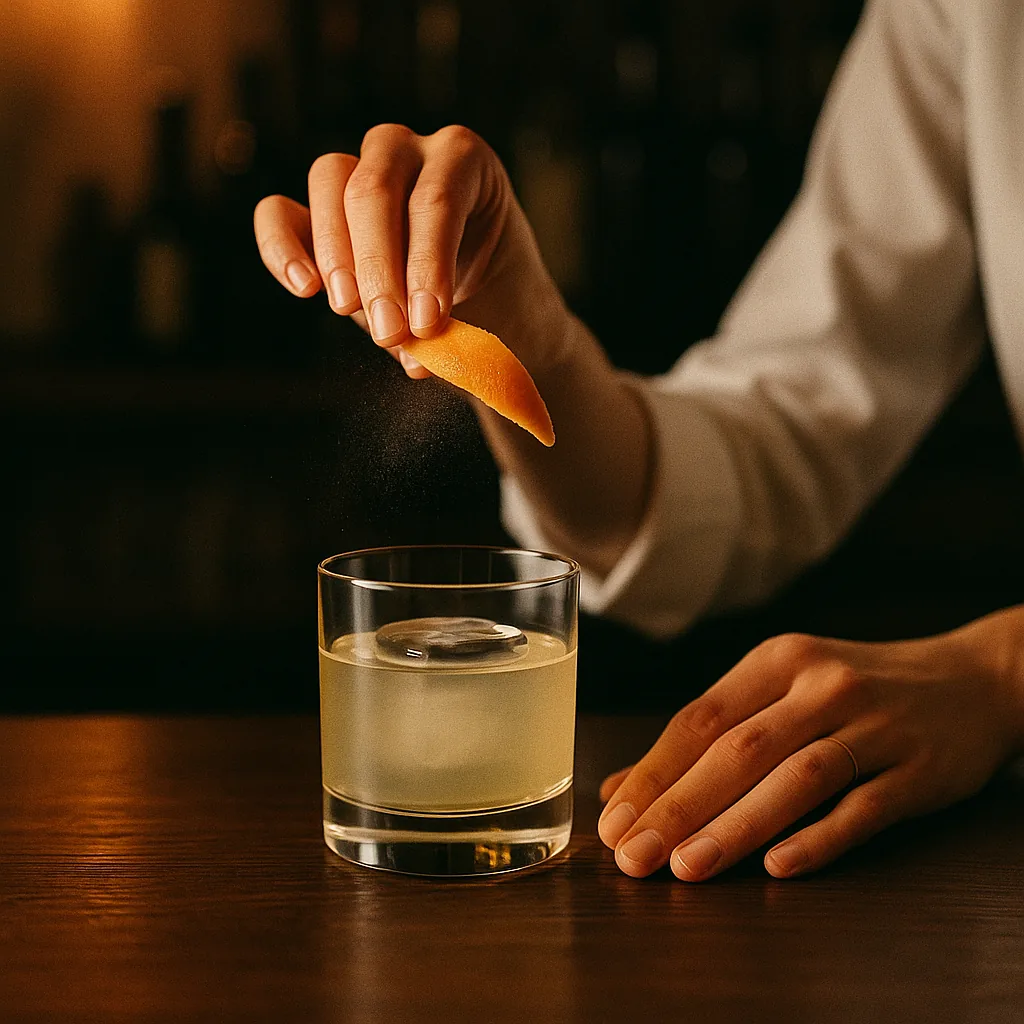
Grapefruit oil over the top, then drop the peel in. It sharpens the gentian, which is otherwise the one flavour here with nothing to push against.
From the collection — 1 bottle
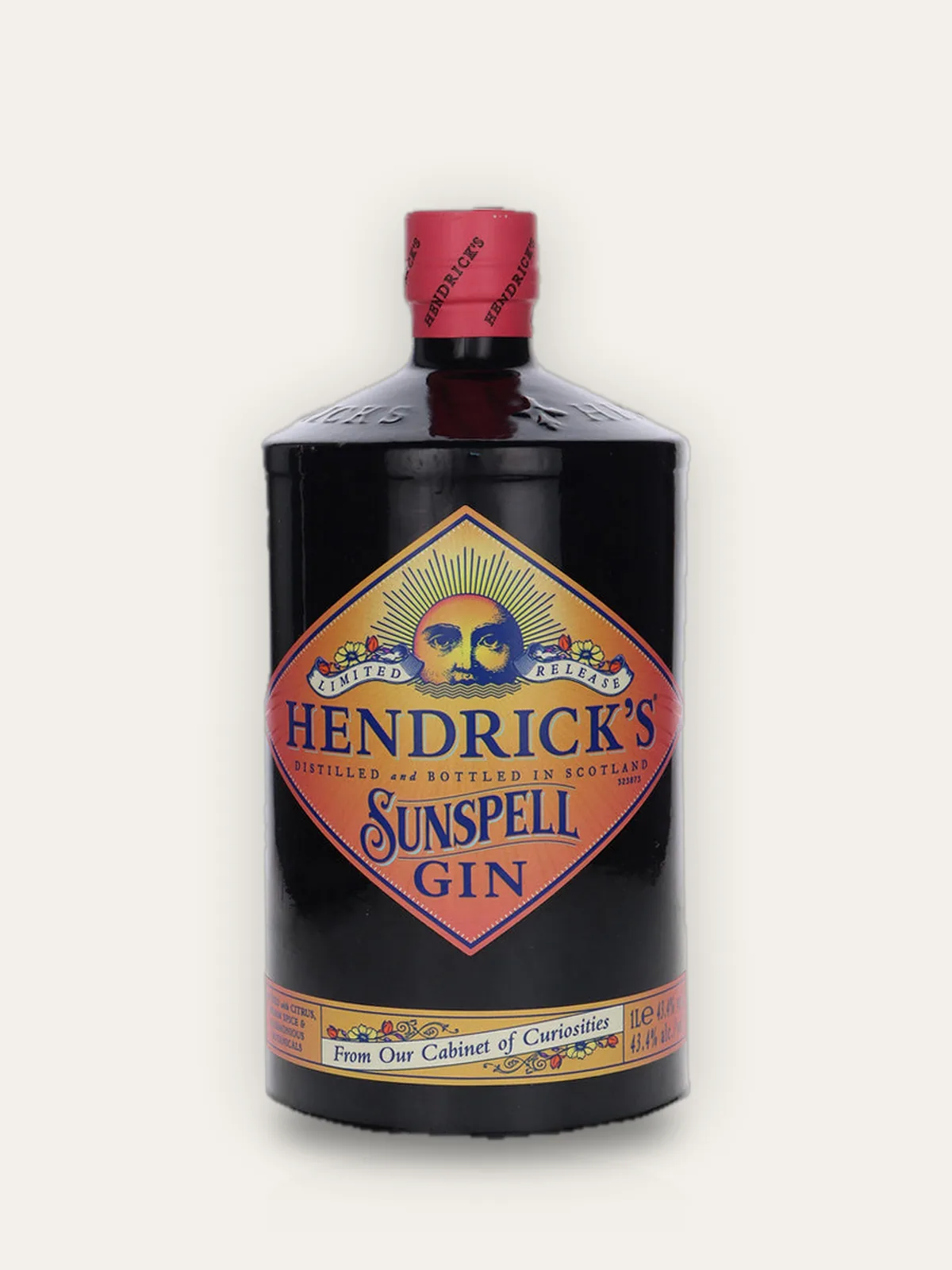
Hendrick's
Sunspell
The extra 43.4% ABV of this Sunspell bottling holds its shape against Suze and vermouth, where the softer standard Hendrick's gets buried.