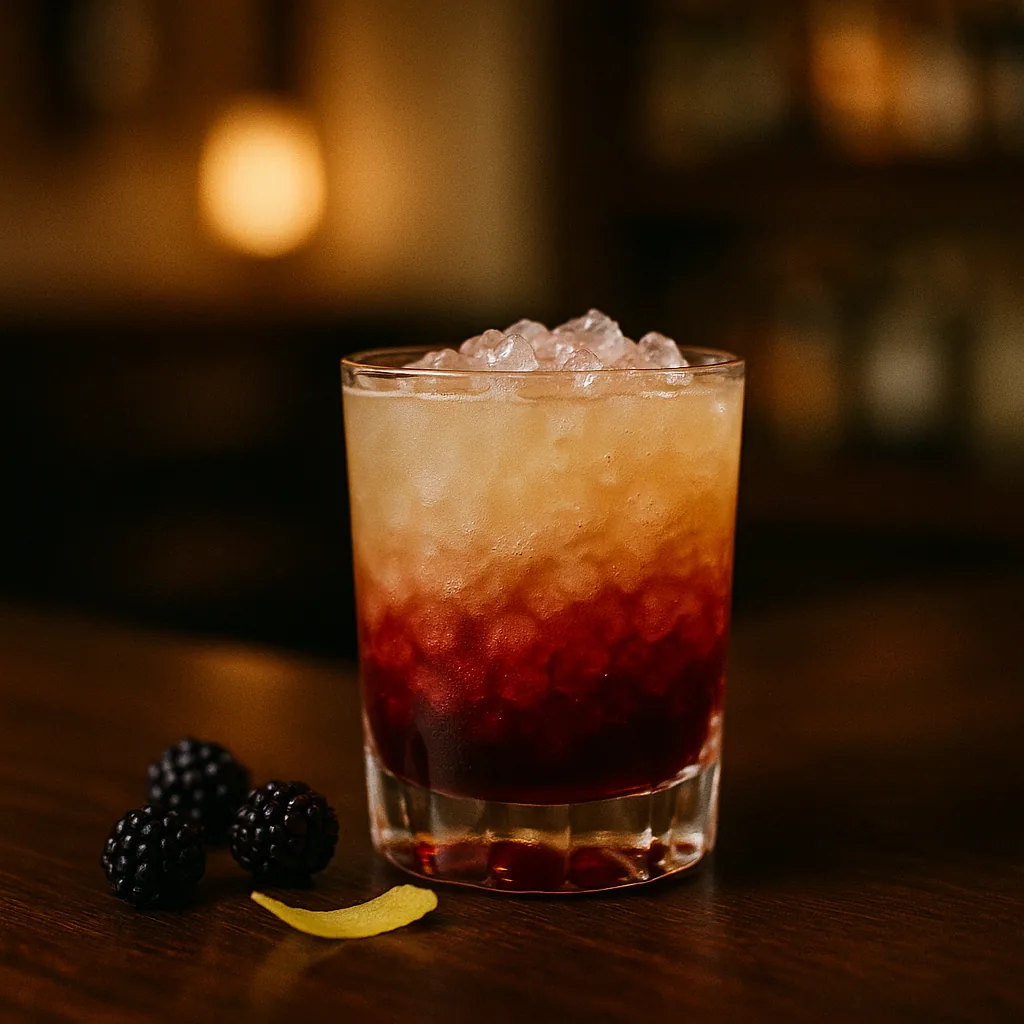
Bramble
A gin sour with blackberry bleeding down through the crushed ice: sharp lemon first, then dark sweet fruit at the bottom of the glass. The liqueur is heavy and sweet, so the gin has to push back — juniper and bite carry through where a softer floral bottle just gets buried.
- 50 ml
- gin
- 25 ml
- lemon
- 12.5 ml
- sugar
- 15 ml
- creme de mure
- blackberries
Shaken sour over crushed ice, blackberry liqueur drizzled through.
The drink and how it got here
The Bramble has something almost no classic has: a named author, a named bar and a year. Dick Bradsell made it in London in 1984, at a Soho bar called Fred's Club, and he was after something specific — a cocktail that was British, at a moment when the drinks worth ordering were all American or Italian.
The idea came out of his own childhood on the Isle of Wight, going blackberrying and getting scratched for it. That is where the name comes from too: a bramble is the bush the blackberries grow on, not the fruit.
Underneath the fruit it is an ordinary gin sour — spirit, lemon, sugar — and the whole invention is what happens after it is poured. The blackberry liqueur is not shaken in with everything else; it goes over the top of the finished drink in a circle and sinks through the crushed ice on its own, which is why the glass looks like a gradient rather than a colour.
So this page has one guide and not three, and that is a statement rather than an omission. A drink forty years old with a living recipe has not had time to drift, and inventing an evolution for it would be inventing history. Where a drink has moved, we show the moves; where it has not, we say so.
As Bradsell built it
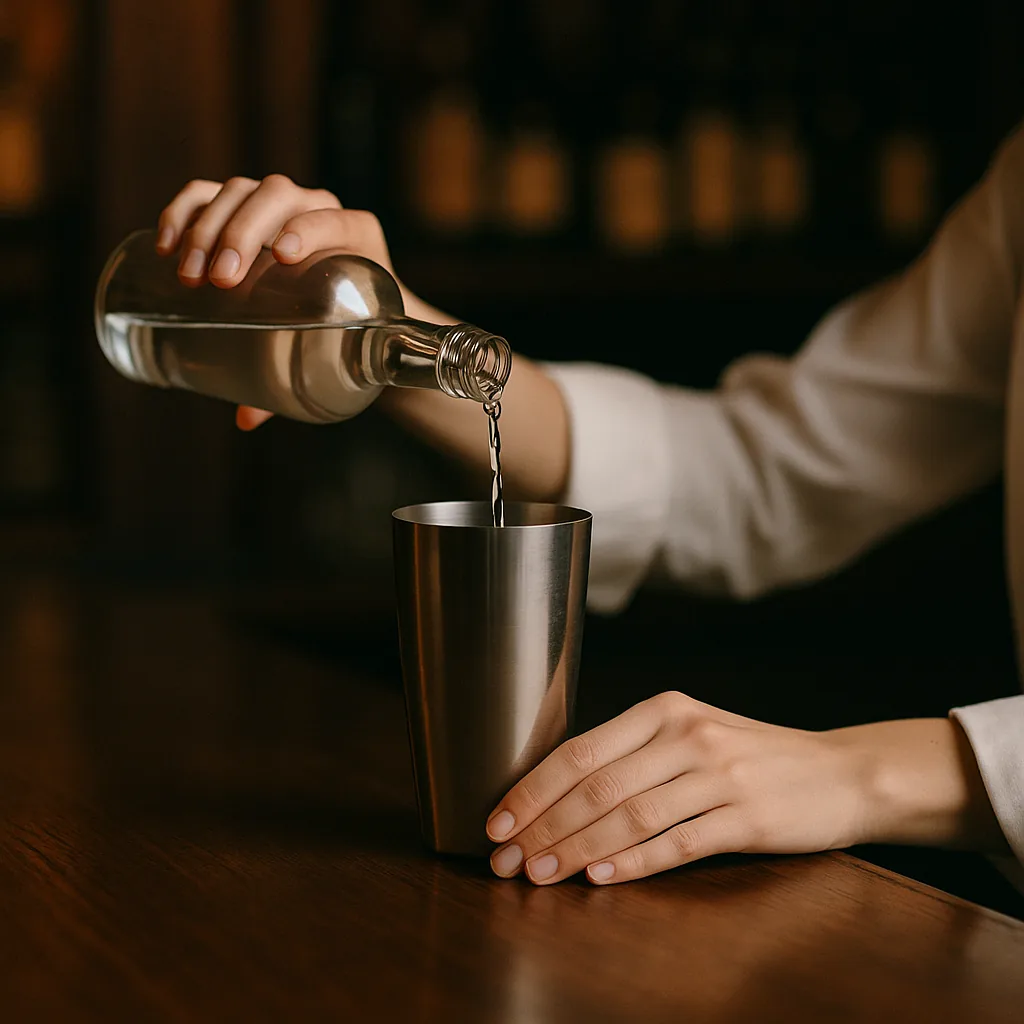
Fifty of gin. Under all the fruit this is a sour, and a sour is only ever spirit, citrus and sugar.
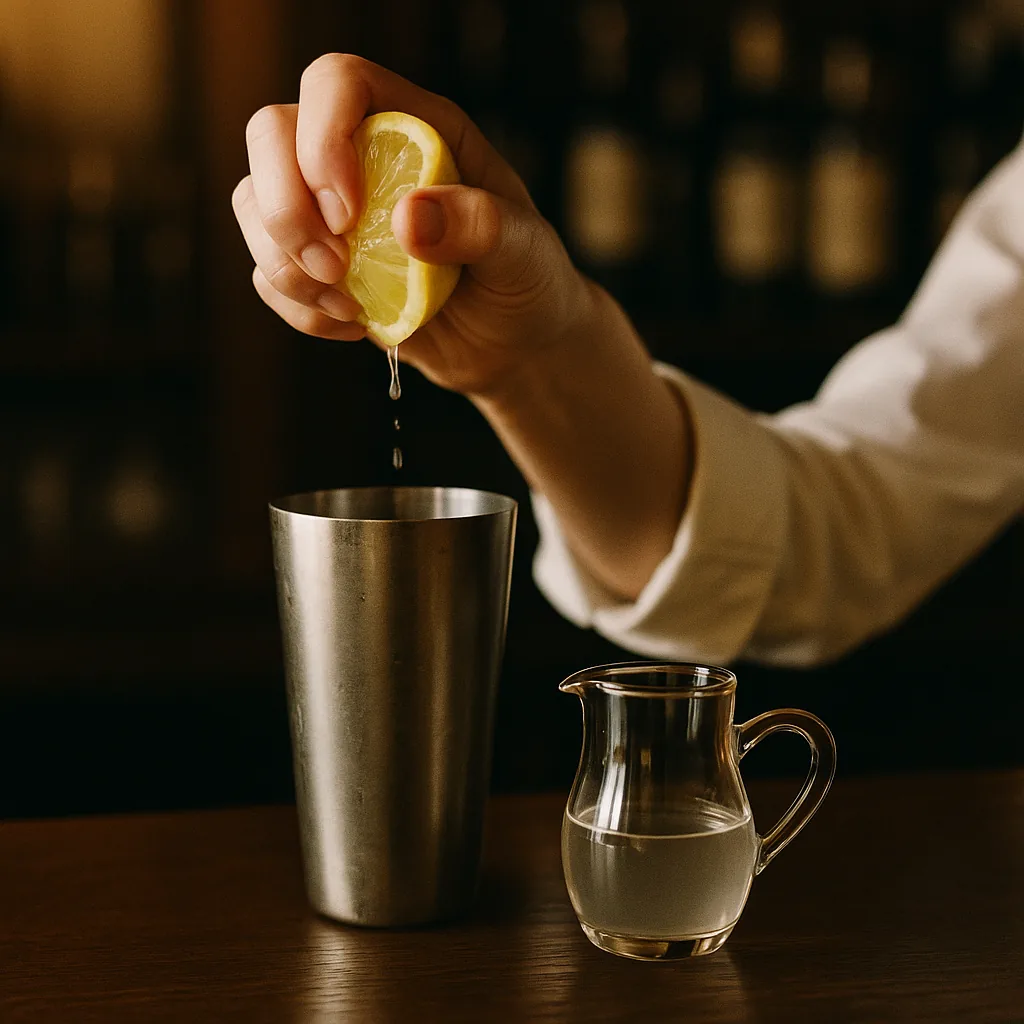
Fresh lemon, twenty-five, and half that again in sugar syrup. Bottled juice is the one shortcut this drink will not survive.
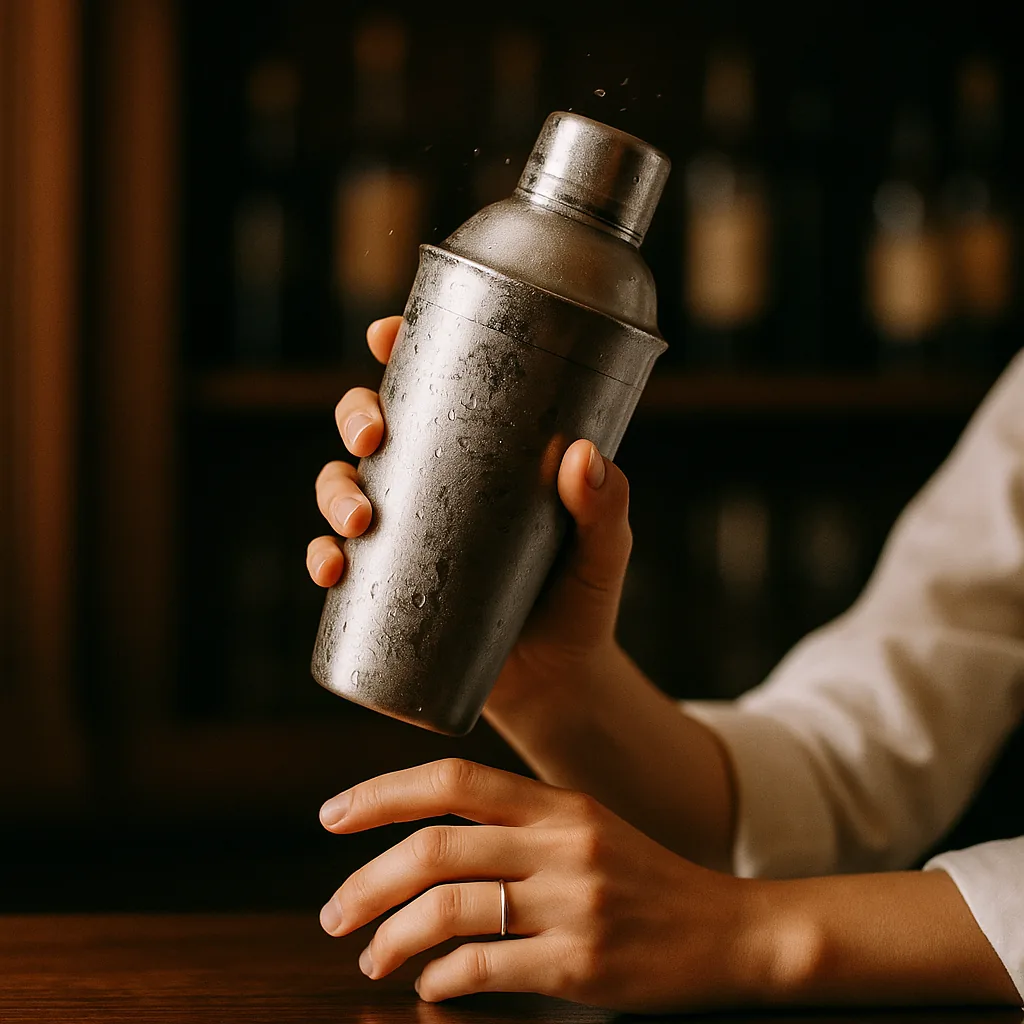
Shake it hard with ice, and leave the blackberry liqueur out. It goes in later, and that is the entire trick of this drink.
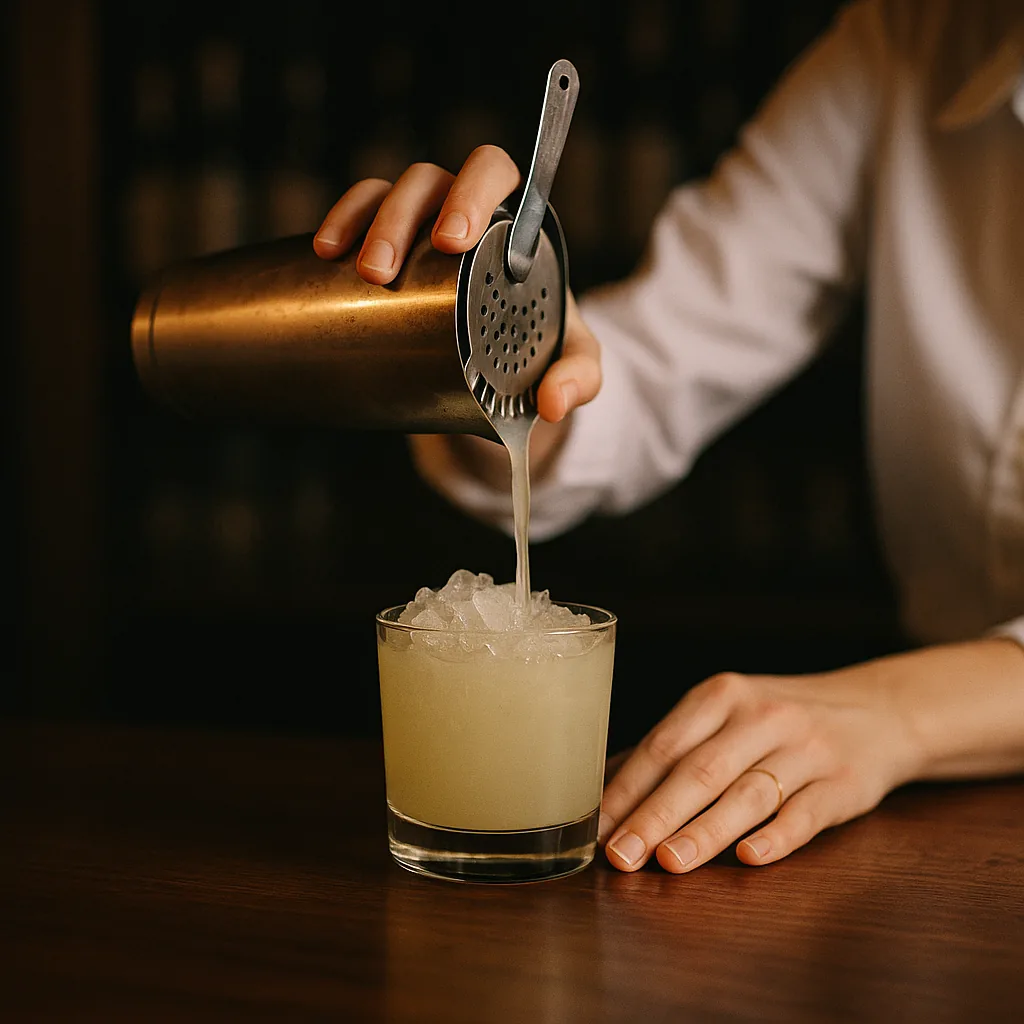
Crushed ice, right to the top. It is not for cold — it is the thing the liqueur has to travel through.
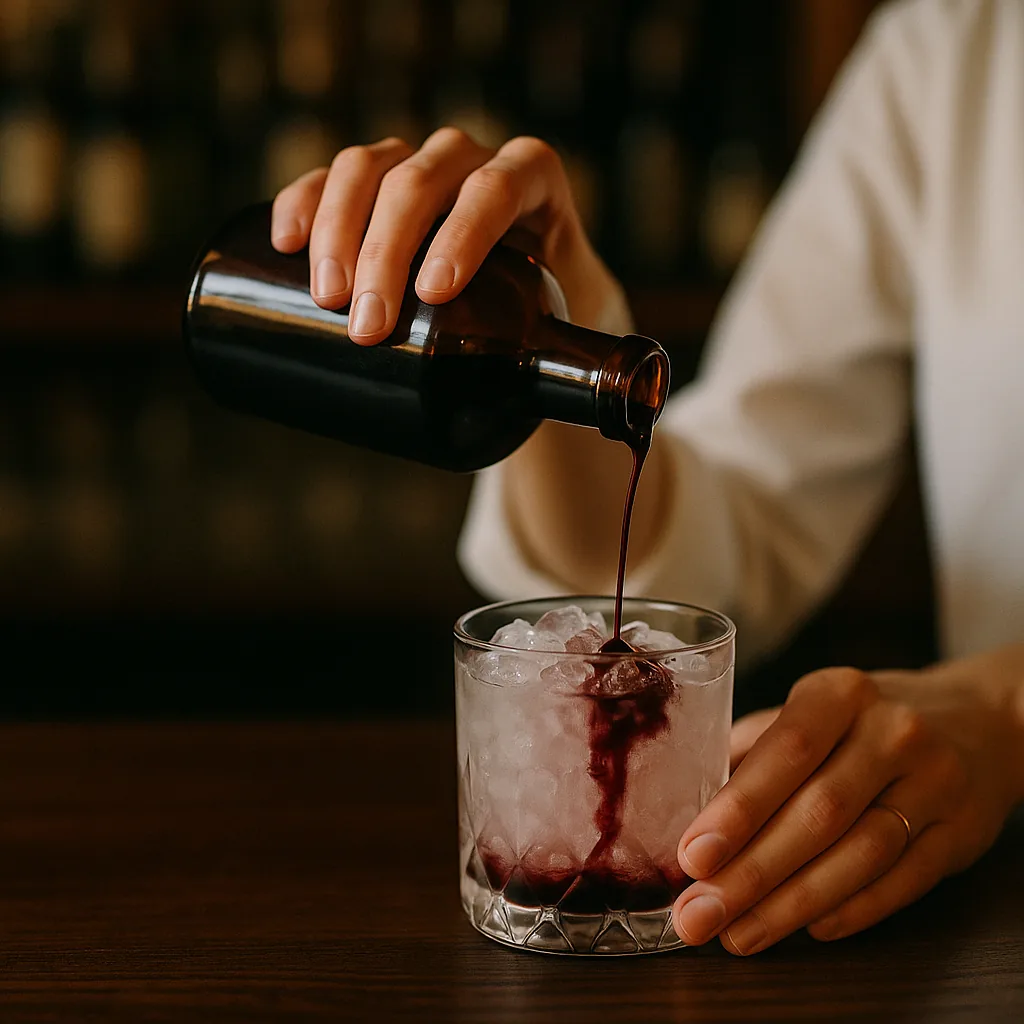
Now the crème de mûre, poured in a circle over the top. Do not stir it. The whole point is that it arrives in layers and you drink it in the wrong order.
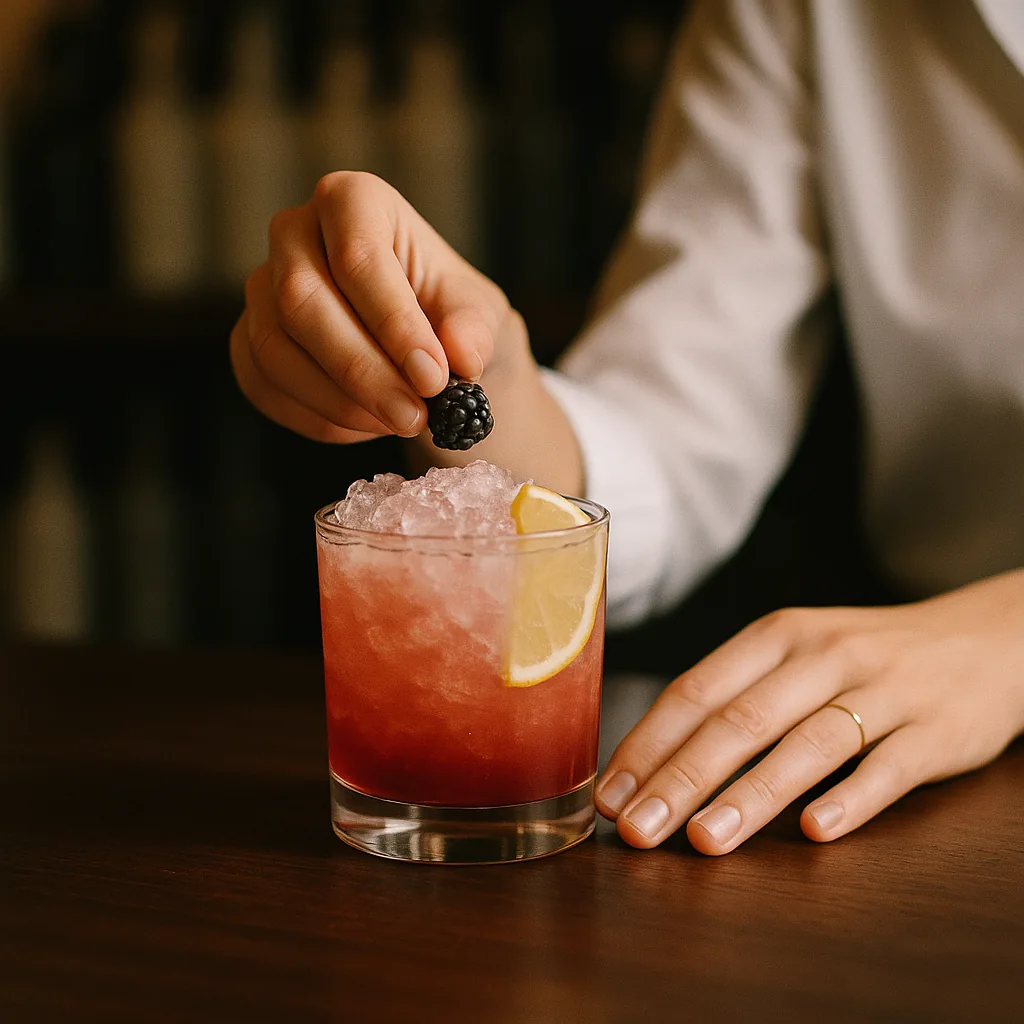
Blackberry and a slice of lemon. Bradsell put real fruit on it, and it is the one garnish here that is also an ingredient.
From the collection — 4 bottles
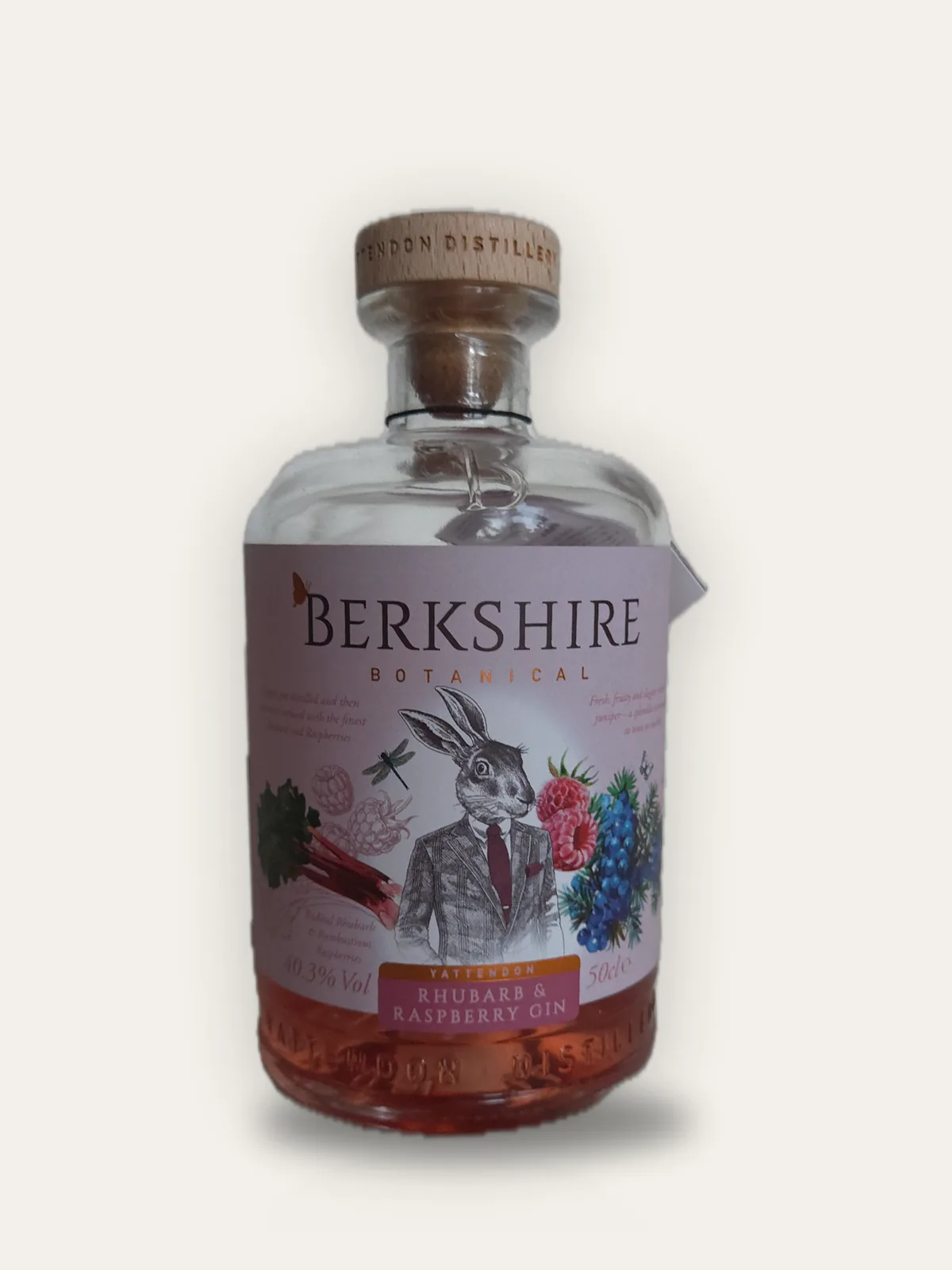
Berkshire Botanical
Rhubarb & Raspberry
The raspberry already in the gin meets the crème de mûre halfway, so the drink tastes of fruit rather than syrup.
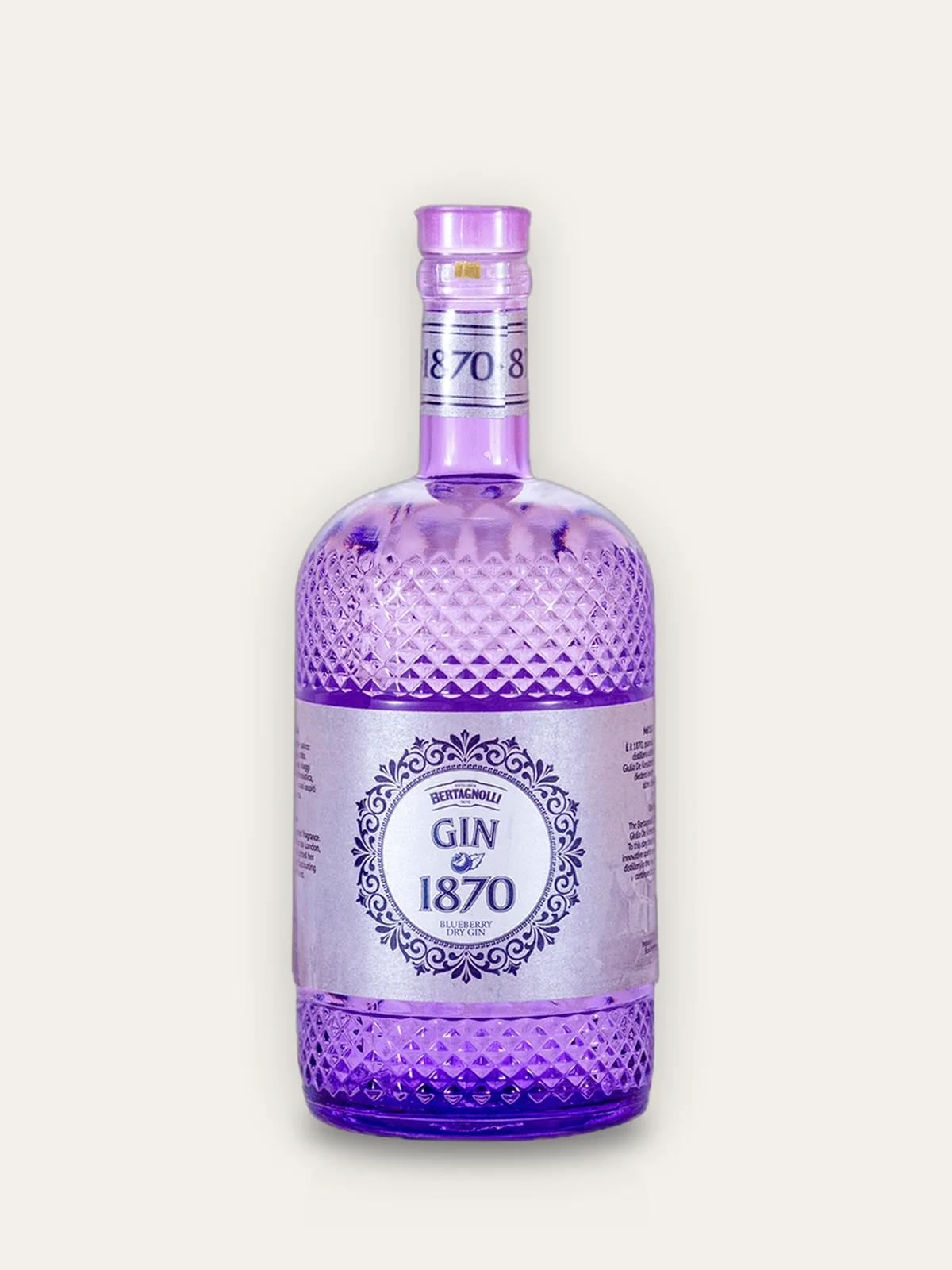
Bertagnolli
Gin 1870 Blueberry Dry
The blueberry in Bertagnolli's 1870 Dry already points at dark fruit, so it meets the crème de mûre halfway instead of fighting it.
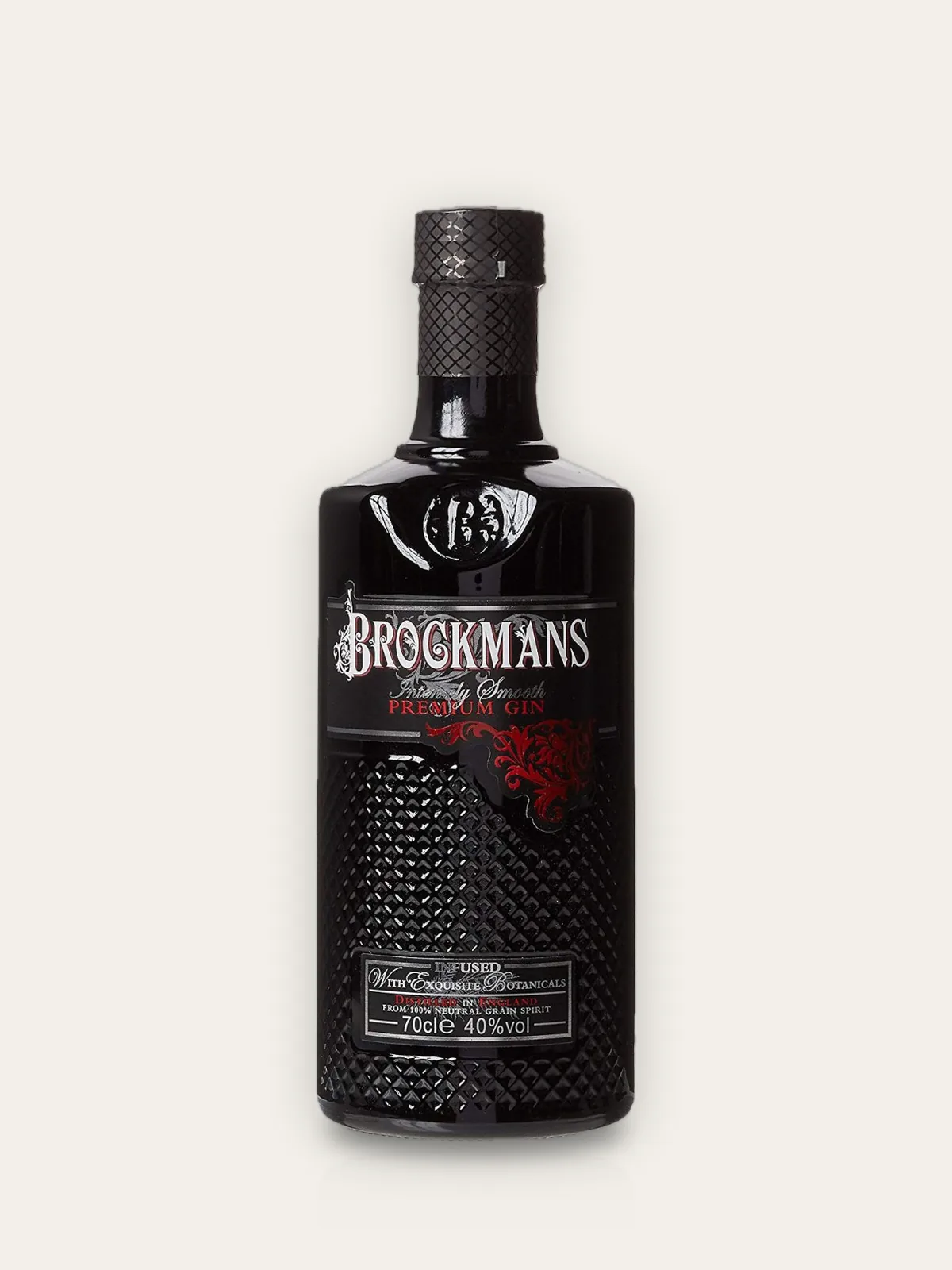
Brockmans
Premium Gin
Brockmans already tastes of blackberry, so it meets the crème de mûre halfway instead of fighting it, and 40% keeps the drink from thinning out over crushed ice.
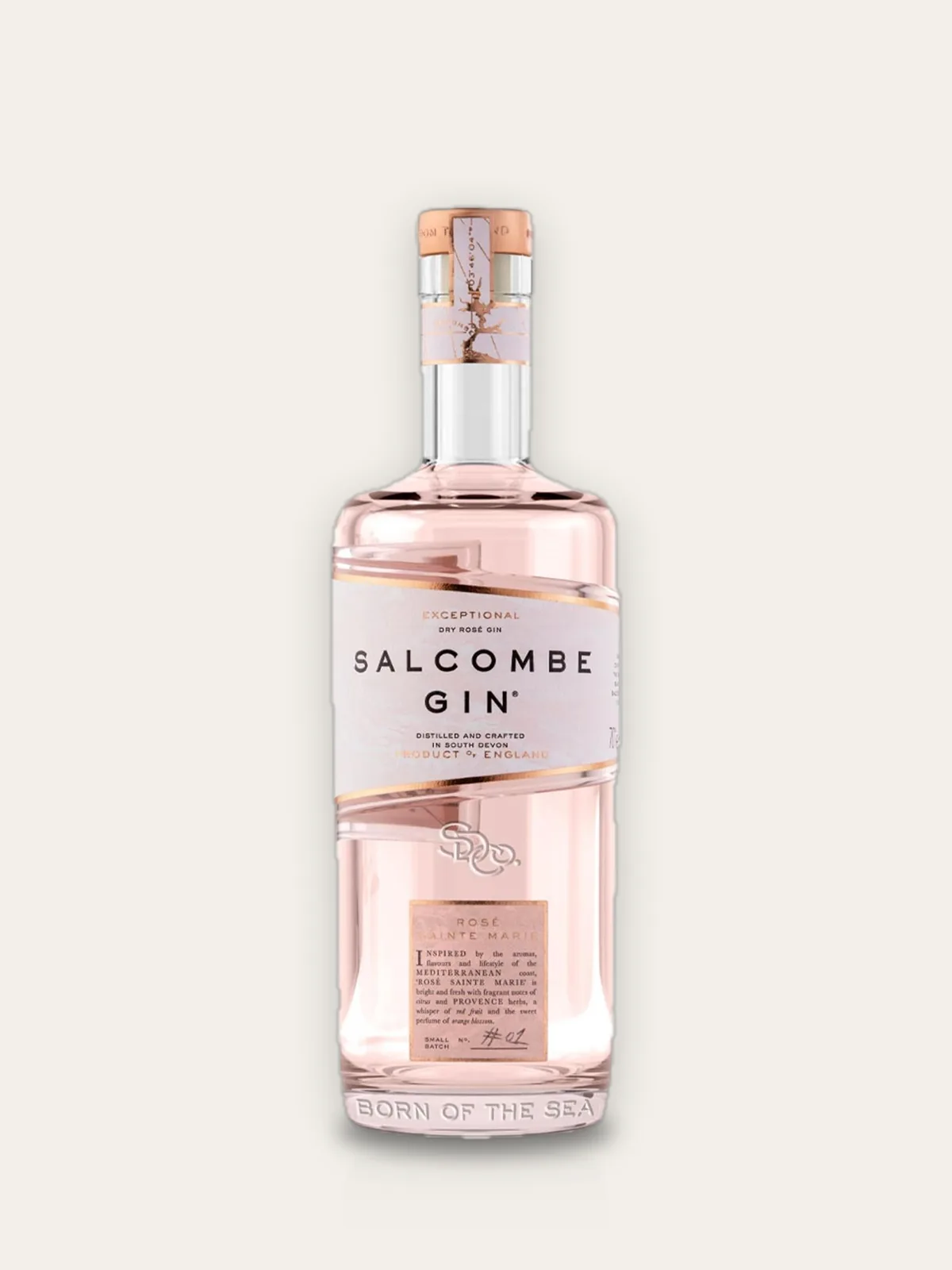
Salcombe Gin
Rosé Sainte Marie
Rosé Sainte Marie already carries red berry fruit, so the crème de mûre extends the gin instead of masking it, and 41.4% is enough spine to keep the lemon tart.