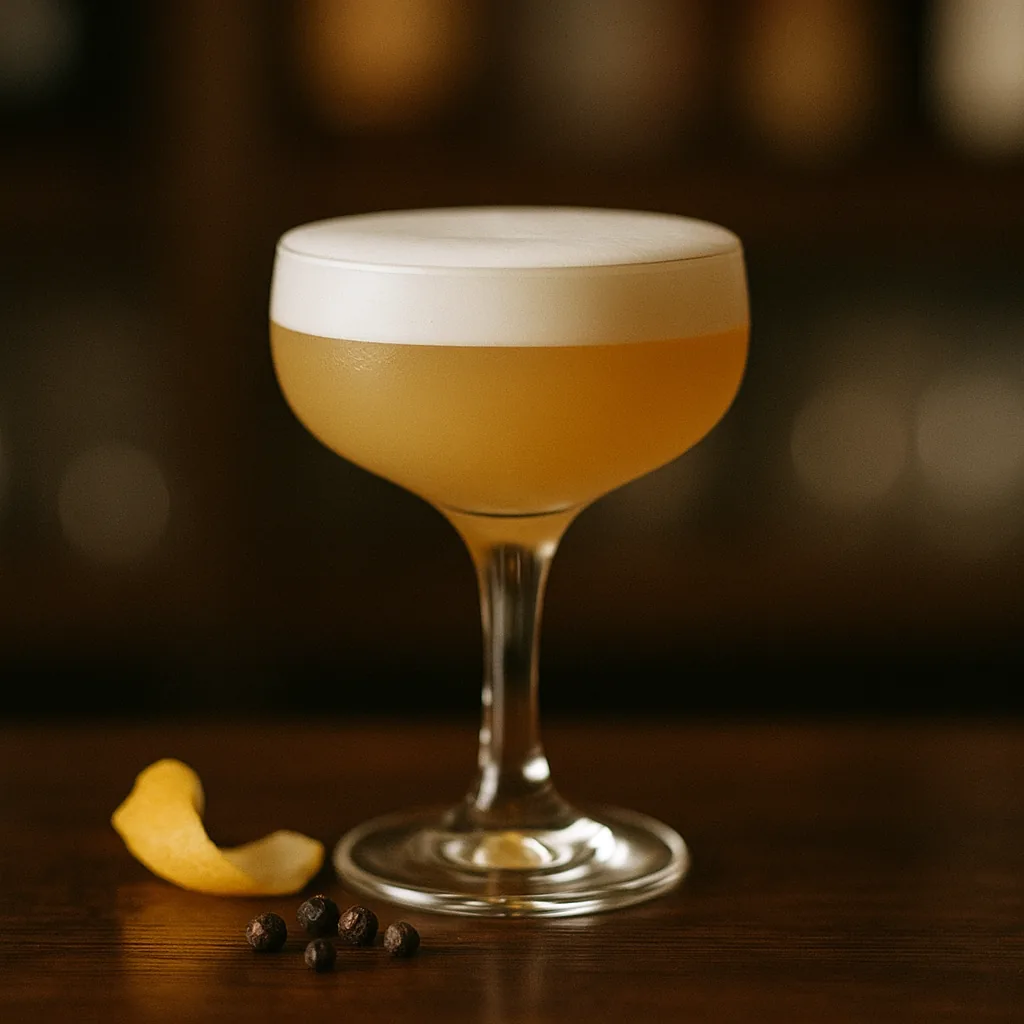
Gin Sour
Lemon leads and sugar follows close enough to keep it drinkable, while egg white thickens the texture and rounds off the acid. The foam is cool and near-tasteless; the sour underneath is bright and sharp. Juniper has to push through all that citrus, so a dry, assertive gin holds its shape best.
- 50 ml
- gin
- 25 ml
- lemon
- 15 ml
- sugar
- 15 ml
- egg white
Dry shaken then shaken with ice, strained, foam on top.
The drink and how it got here
The sour is not a cocktail so much as a shape that other cocktails are cut from: a spirit, a citrus, a sweetener. Jerry Thomas set the family down in his 1862 How to Mix Drinks, the first cocktail book anyone printed, and the gin version is simply that template with gin in it — gin, lemon juice, sugar. It was on bars well before Prohibition and was still a fixture of the 1940s.
How tight the template is shows up in what happens when you add one thing. Pour carbonated water into a gin sour and it stops being a gin sour: it is a gin fizz, under a different name, with the same three ingredients underneath. Nothing about the base changed. The category did.
The other variation stays inside the family. Egg white, shaken in, whips to a dense pale head and comes out on top of the drink — it adds almost no flavour and changes the whole texture, rounding the acid and giving it a weight it does not otherwise have. Whether a sour is served with it has never quite been settled, which is why so many bars will ask.
So there are two guides here, not three. This drink has not drifted decade by decade the way the Martini did; the only real fork is the egg. First the plain one Thomas would recognise, then the same drink with foam on it. Add soda and you have left — that is a fizz, and it gets its own page when it gets one.
The plain sour
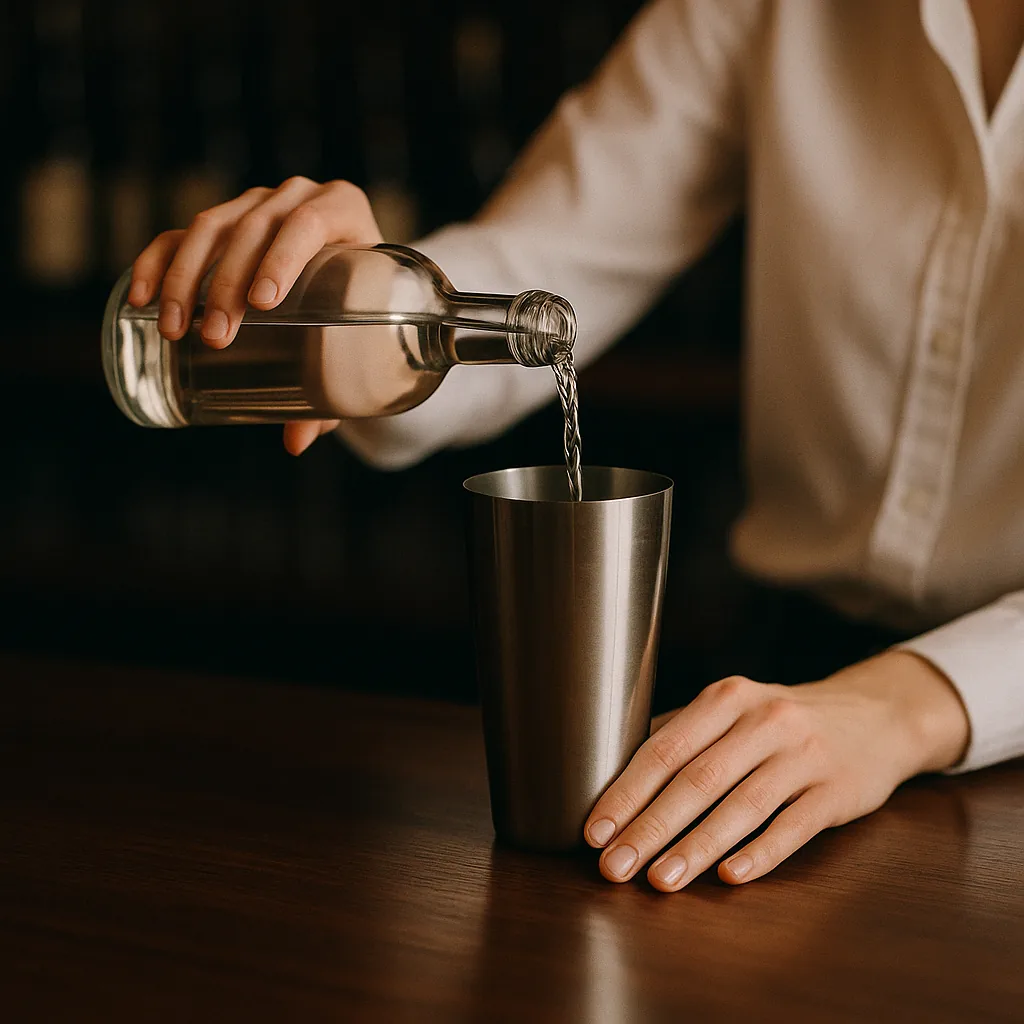
Fifty of gin. Three ingredients in a sour and this is the only one you actually taste the brand of.
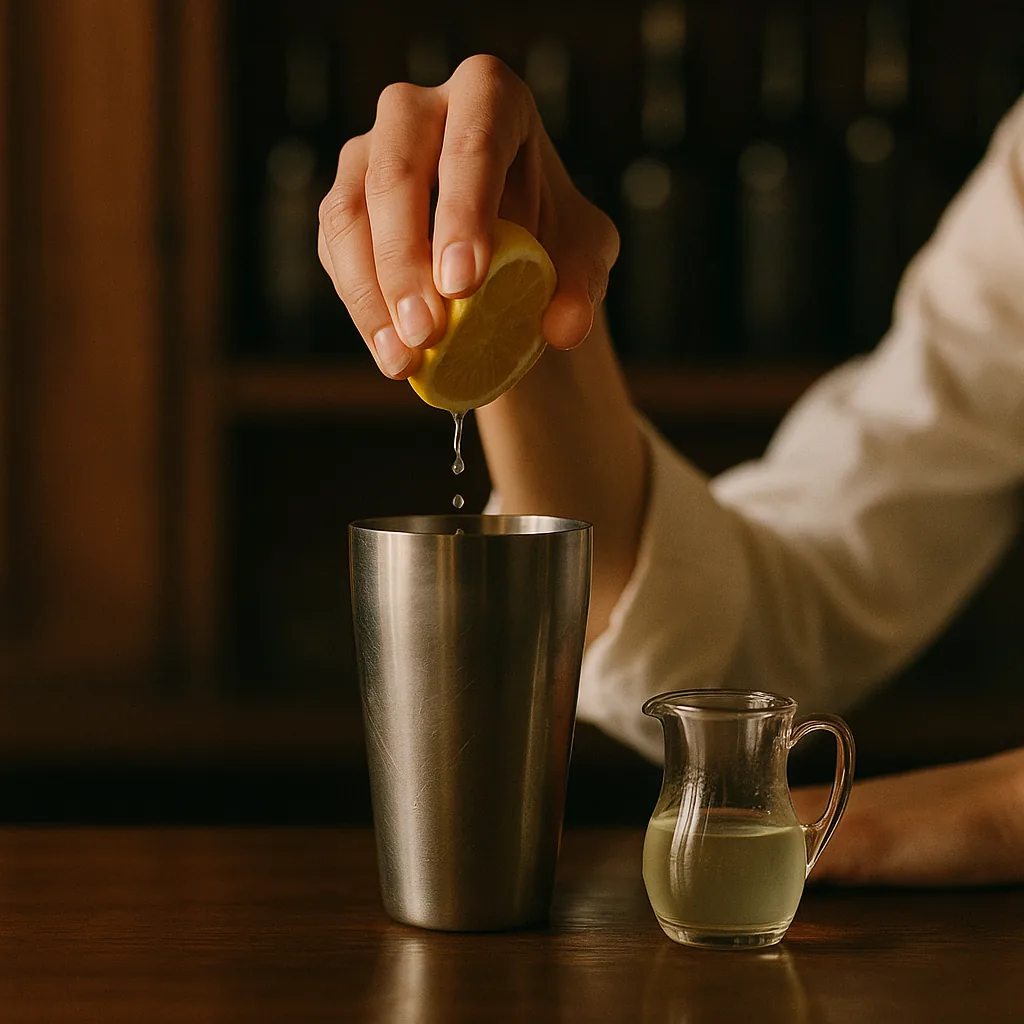
Twenty-five of lemon, fifteen of sugar. Two to one, sour over sweet — move that ratio and you are making a different drink.
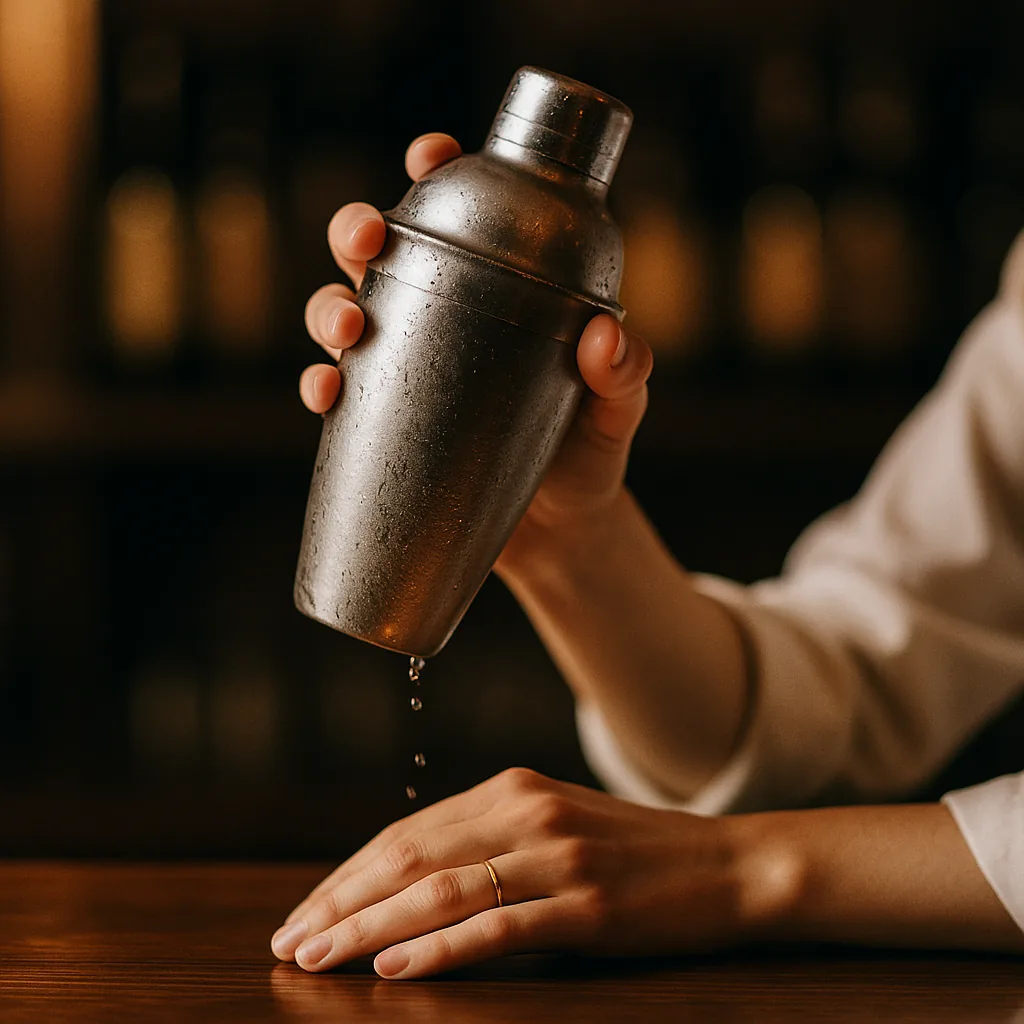
Ice and shake it hard. Citrus drinks are shaken, stirring leaves them dull and warm-tasting.
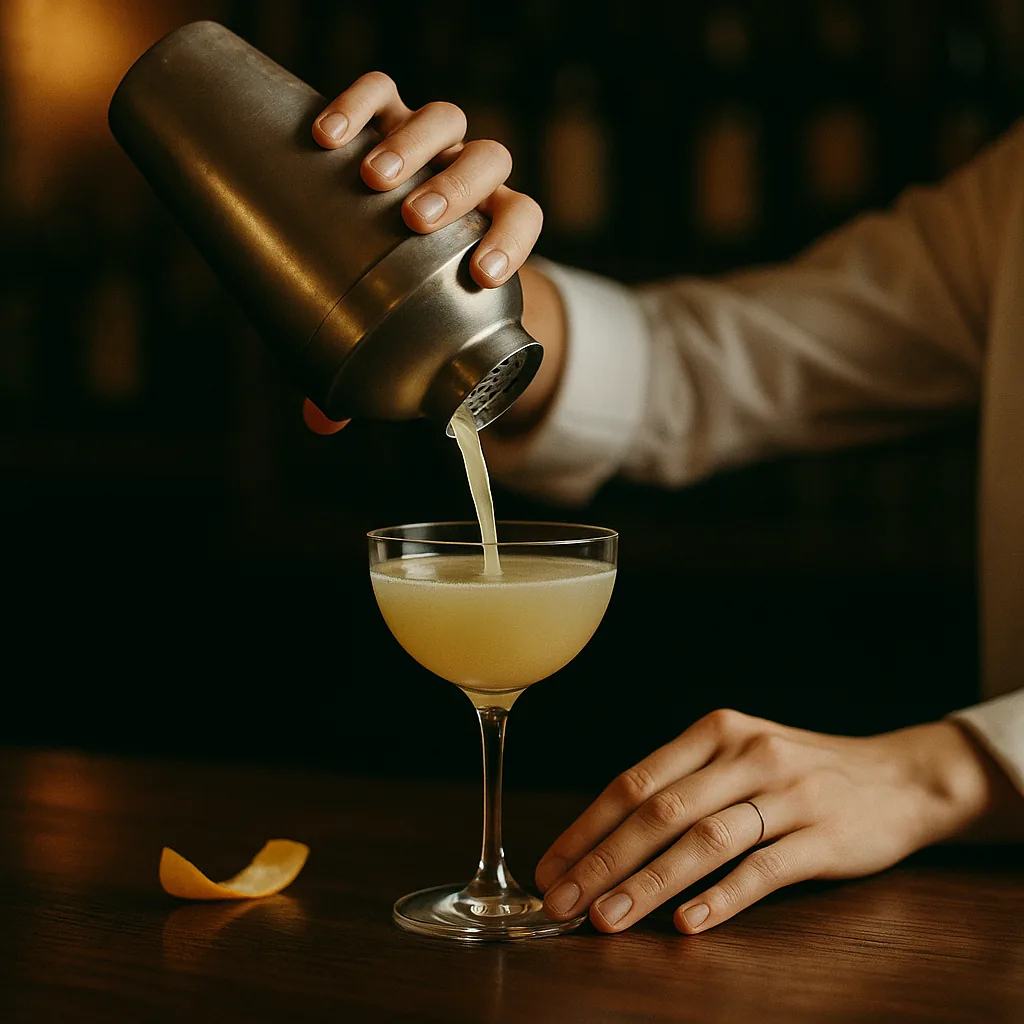
Strain it off the ice. Cloudy is correct here — that haze is the lemon, and a clear sour means somebody used a bottle.
With egg white
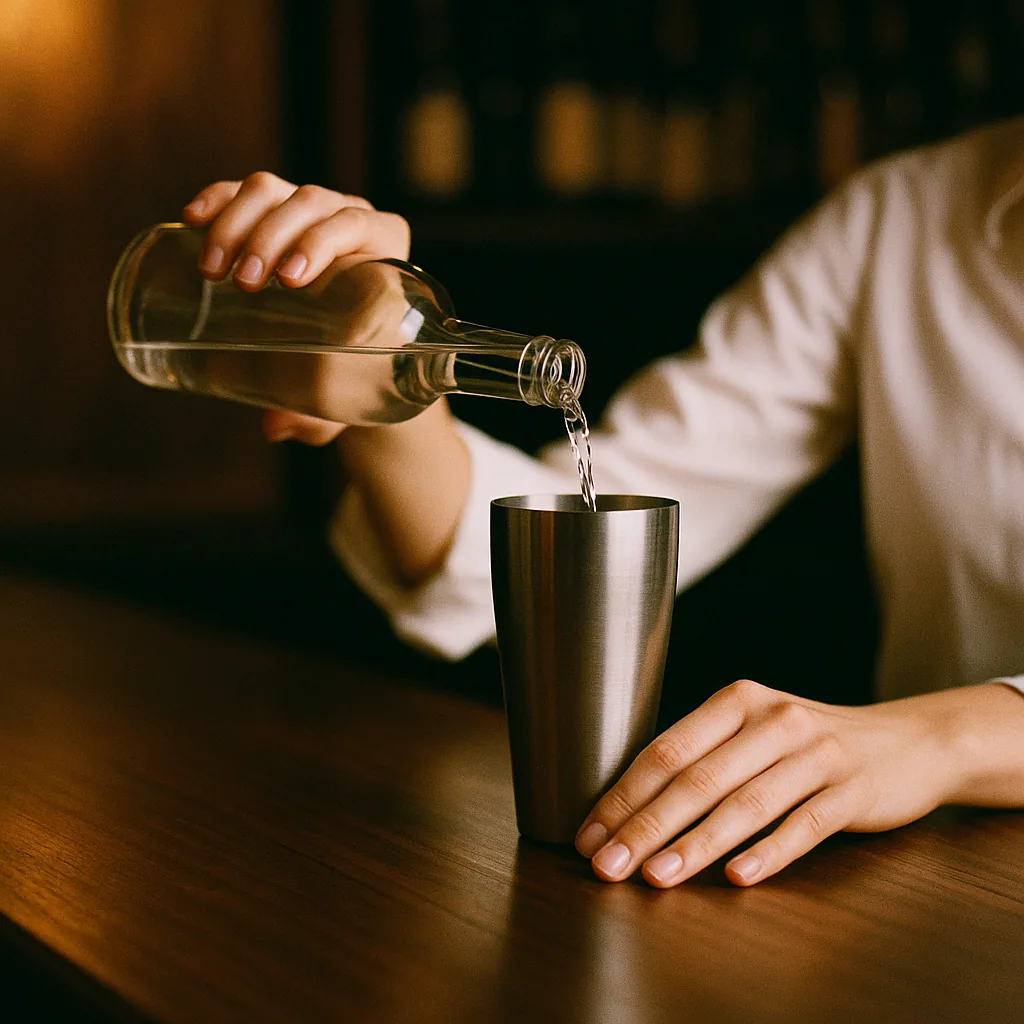
Same fifty of gin, same lemon, same sugar. Everything that follows is about texture, not flavour.
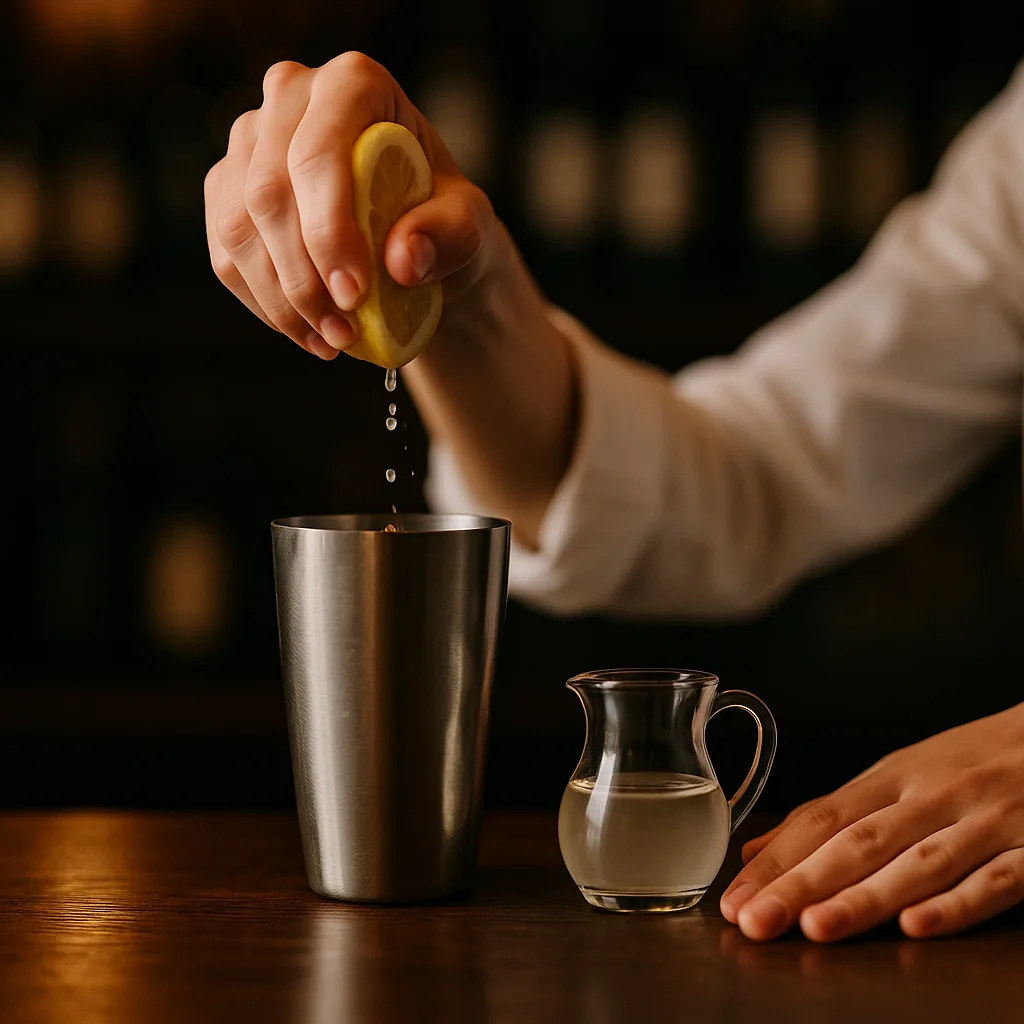
Lemon and sugar in as before. The egg goes on top of a finished sour, it does not replace any part of it.
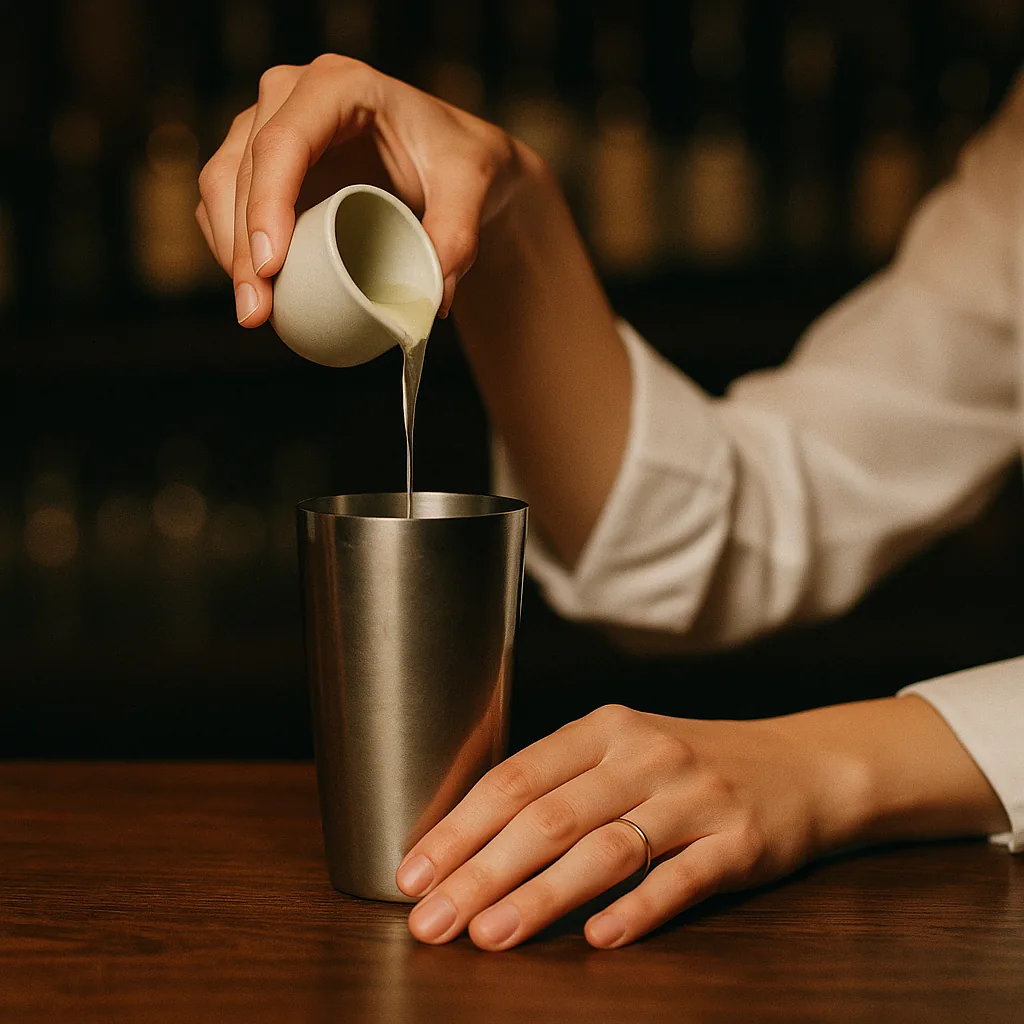
Fifteen of egg white. It tastes of nothing — what it does is thicken the drink and take the edge off the acid.
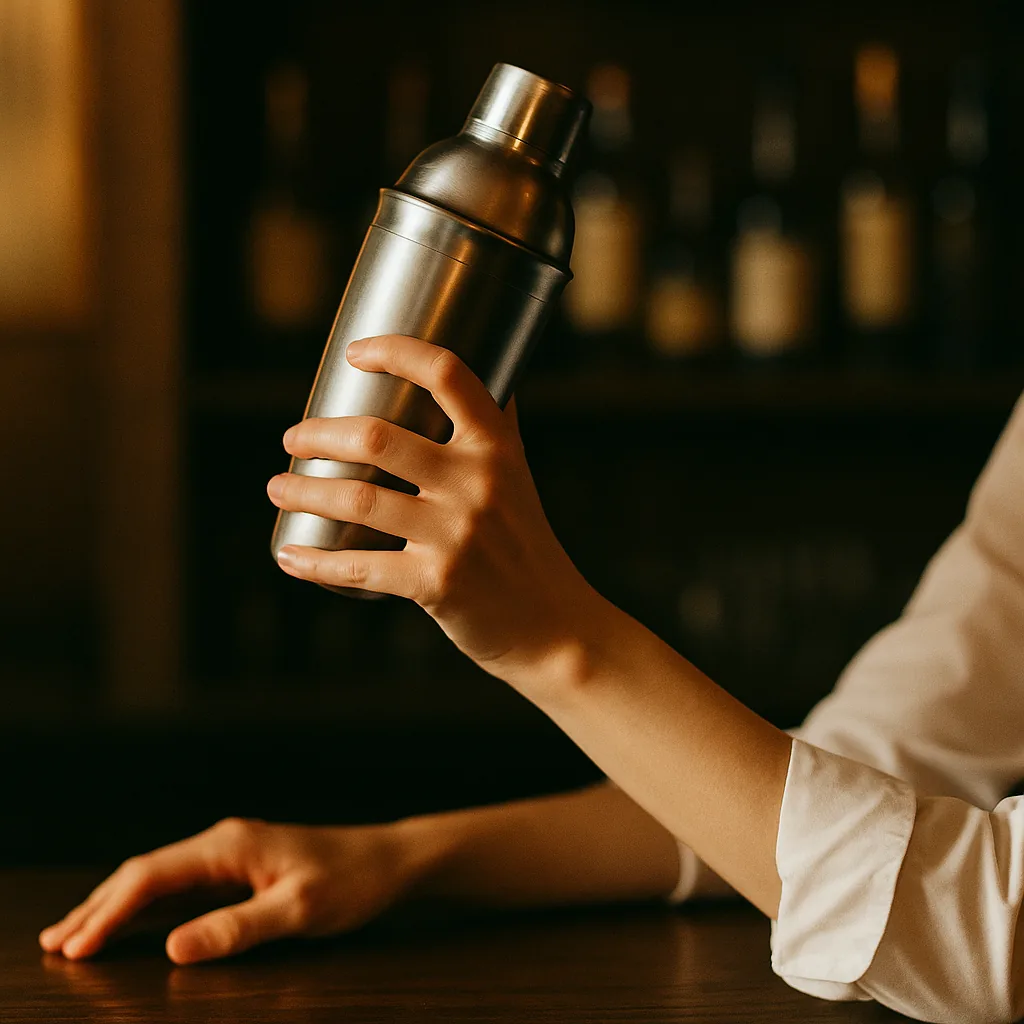
Shake it first with no ice at all. This is the dry shake, and it is the whole trick — the egg needs to whip before anything goes cold.
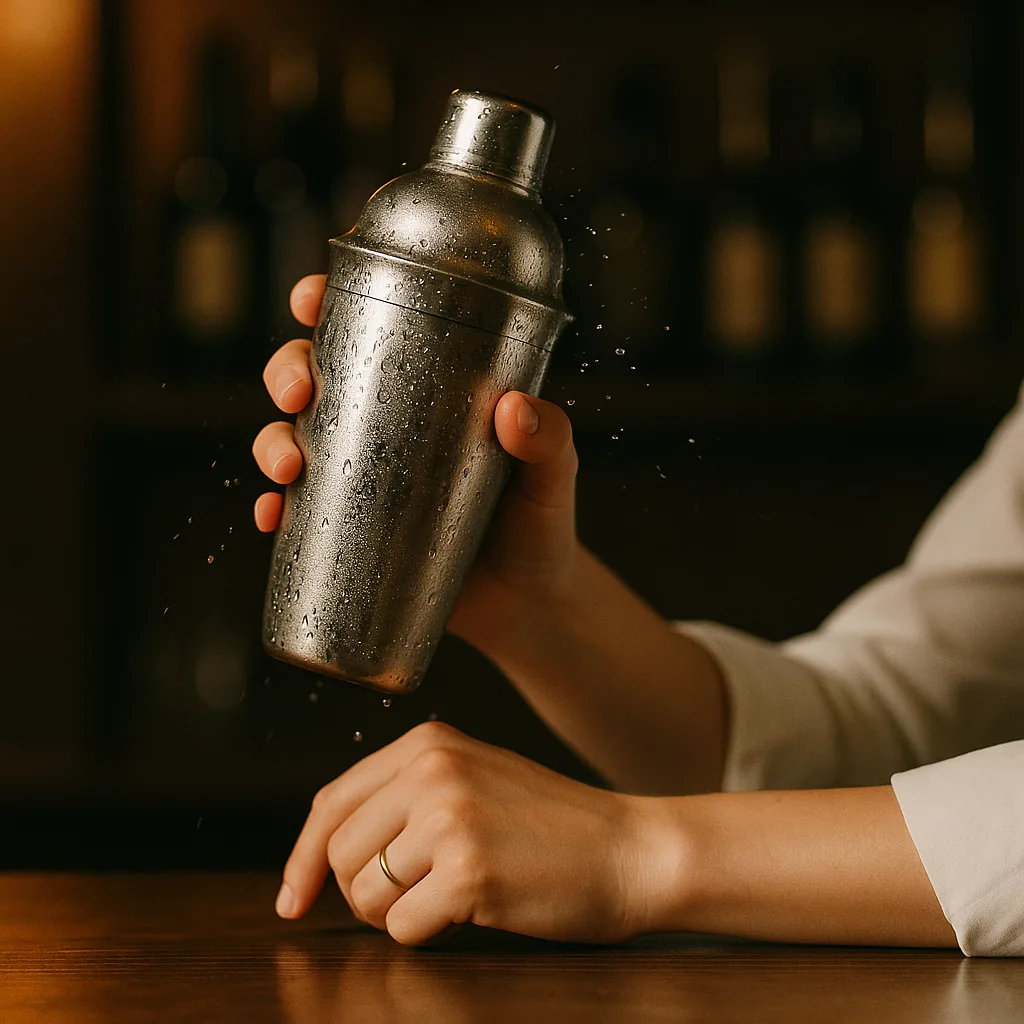
Now add ice and shake again. Cold and dilution second, foam first — do it the other way round and you get bubbles instead of a head.
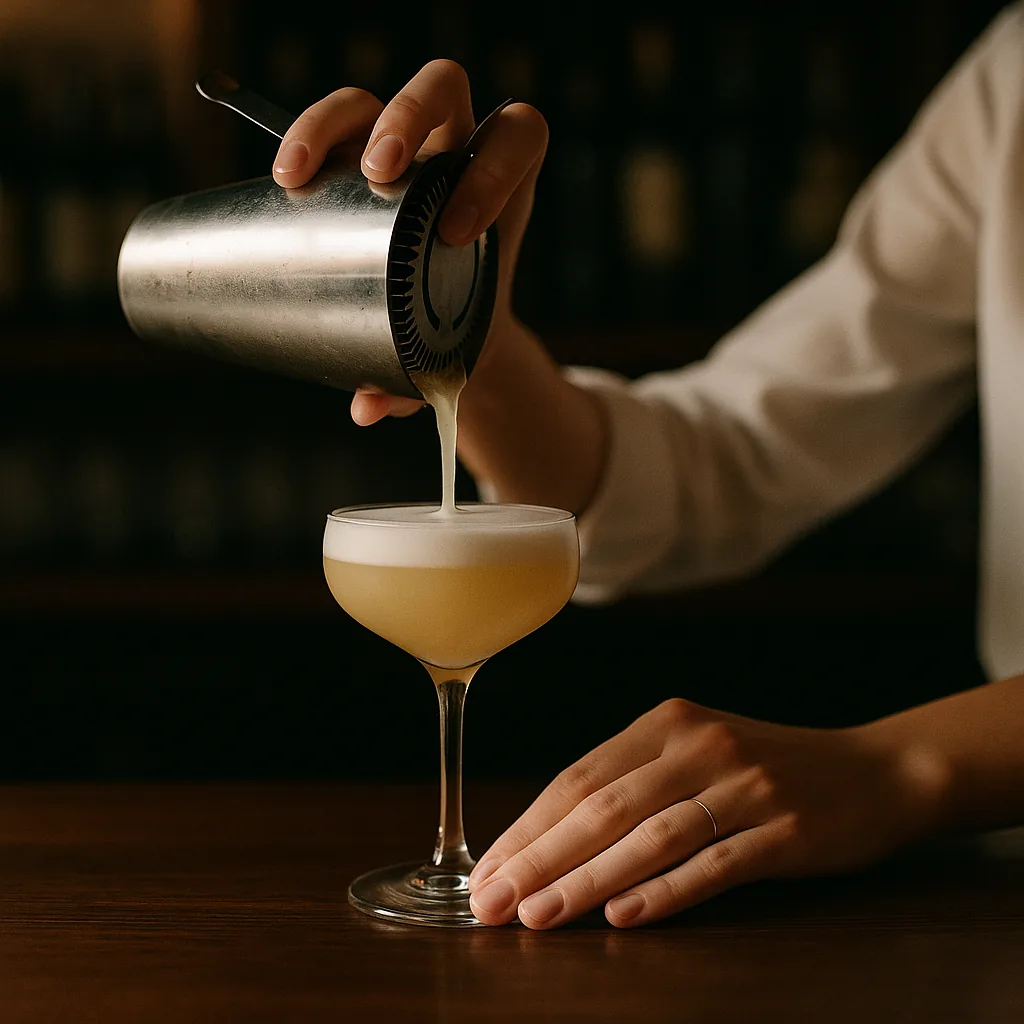
Pour it slowly and the foam sets up on its own, smooth and matte. Let it stand half a minute before the first sip.
From the collection — 3 bottles
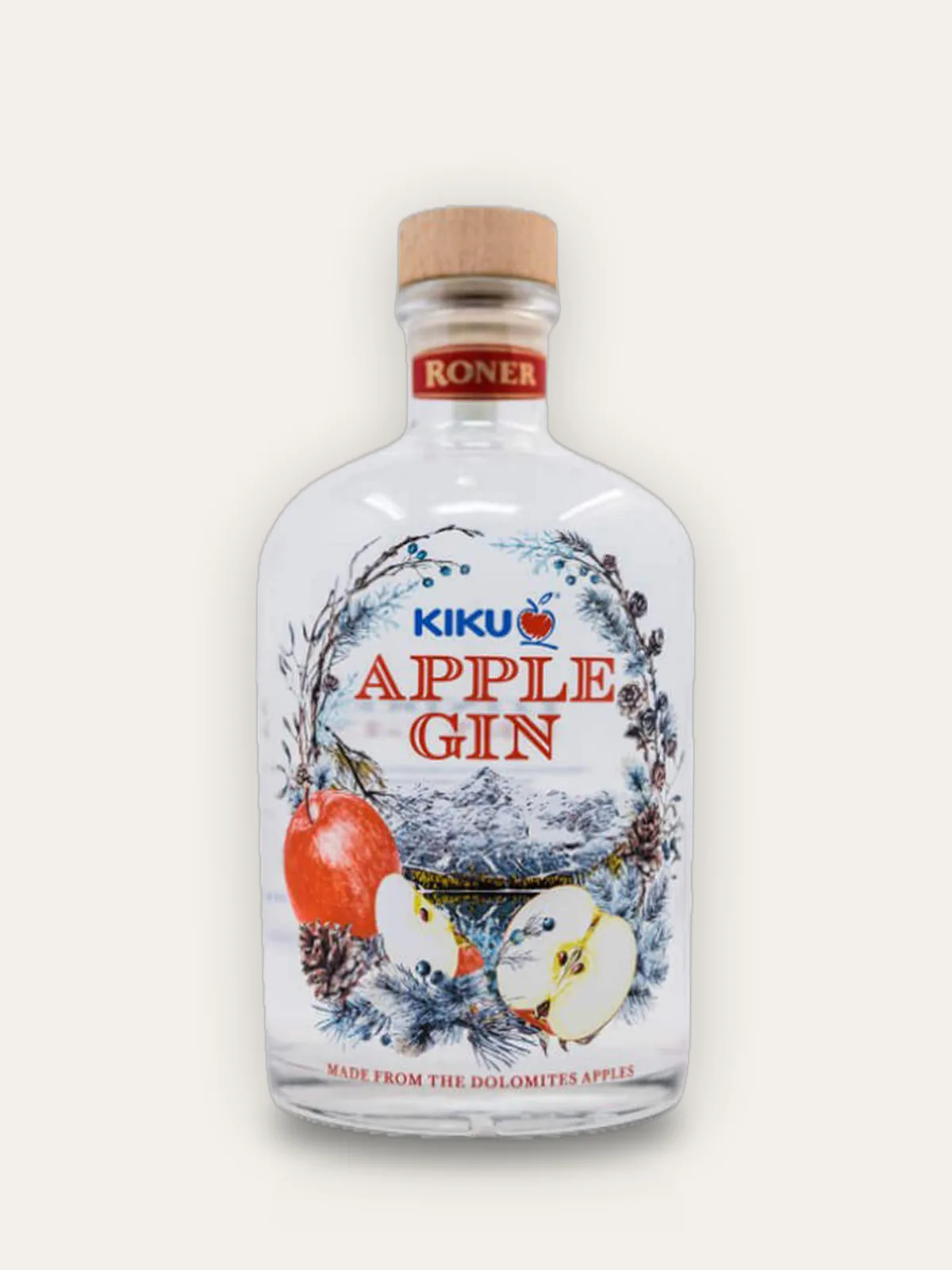
KIKU
Apple Gin
The tart apple in KIKU does half the work of the lemon, and 42% stands up to egg white and sugar without thinning out.
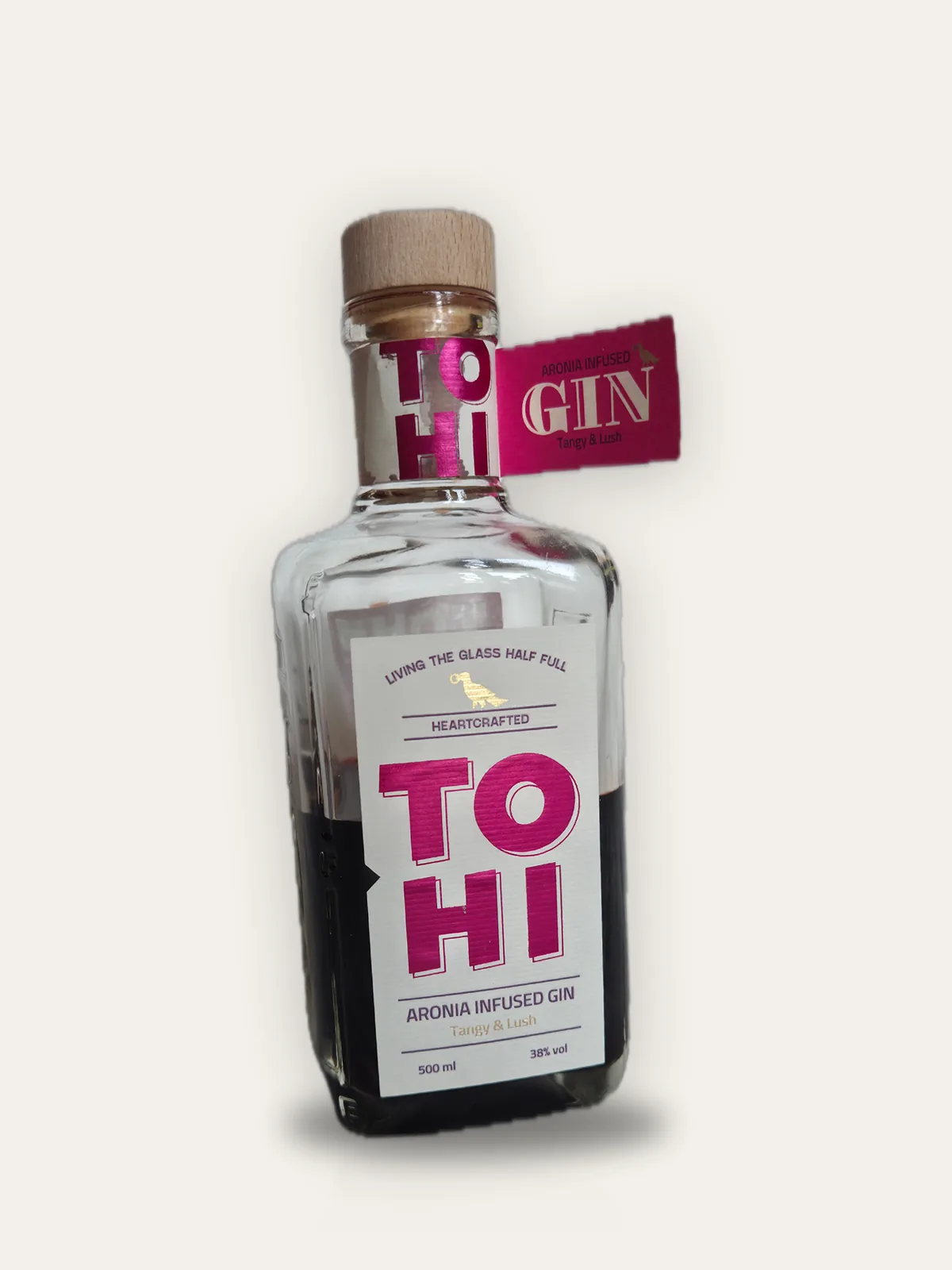
Tohi
Aronia Infused
Aronia's tannic grip and colour need lemon and egg white to soften them — the berry does the work a liqueur usually would.
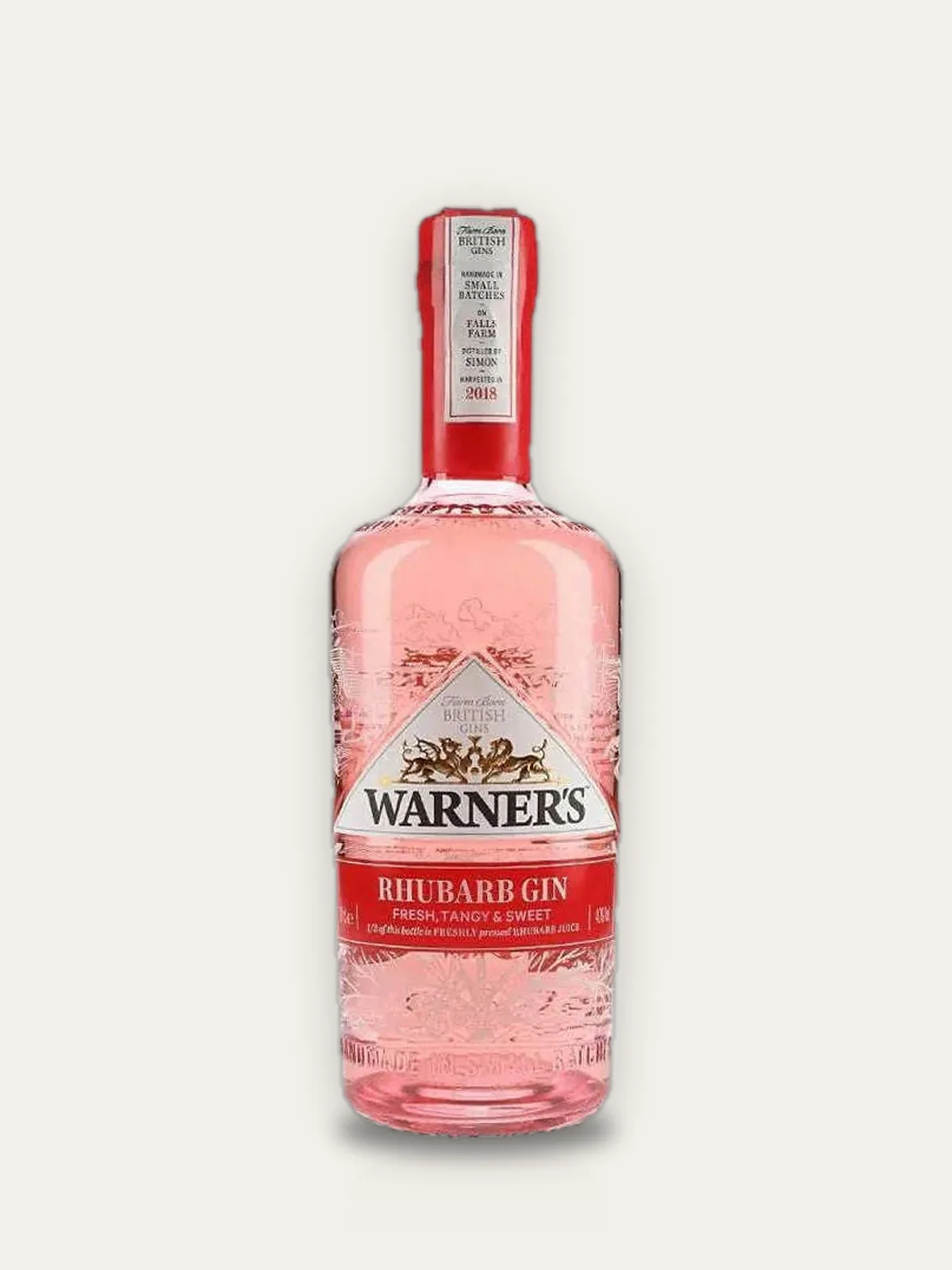
Warner's
Rhubarb
The rhubarb in Warner's already brings the tartness, so lemon and egg white round it into something soft without burying the juniper.