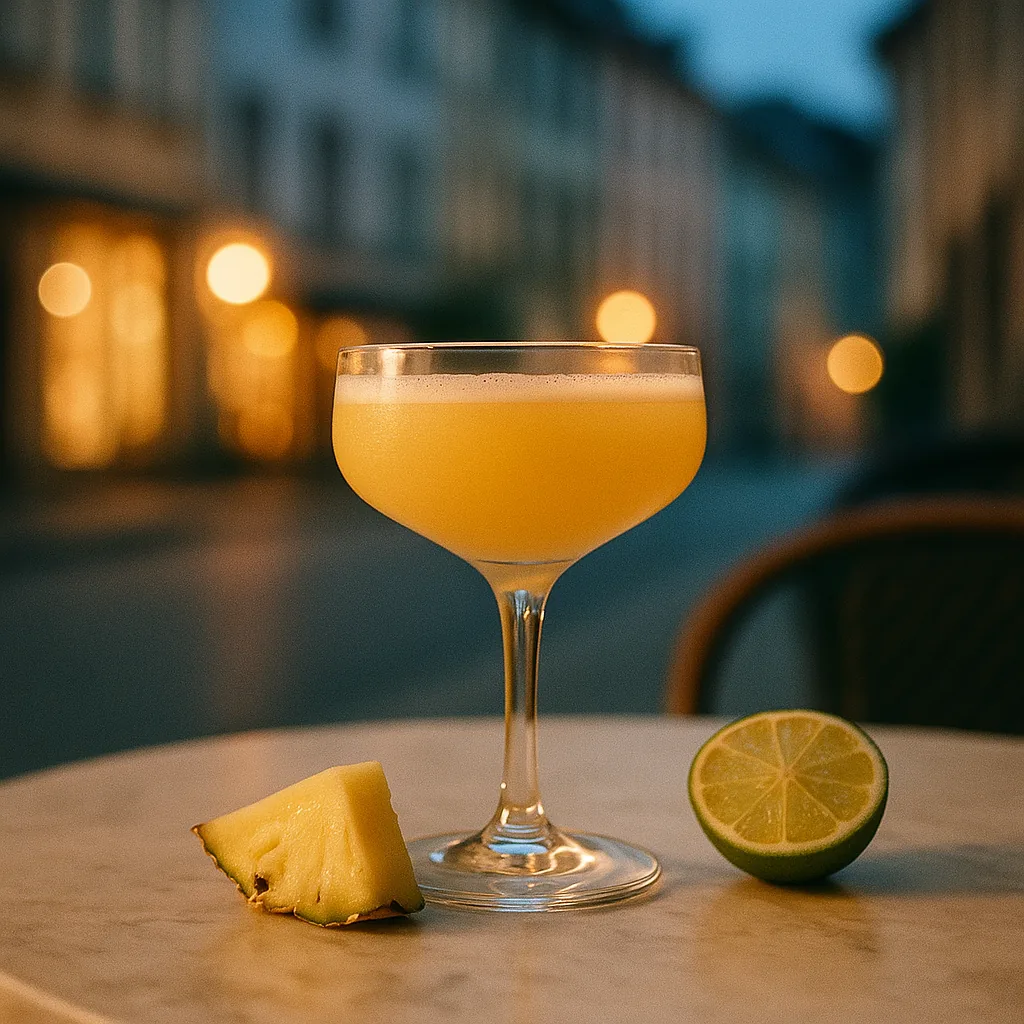
Pineapple Gimlet
Pineapple rounds off the gimlet's sharp edges, giving it a fuller, softer body while the lime keeps the acid bright. Shaken hard, it comes up cold and lightly frothy. It wants a gin with real juniper and citrus peel behind it; a soft floral bottle vanishes under the fruit.
- 50 ml
- gin
- 30 ml
- pineapple
- 20 ml
- lime
- 15 ml
- sugar
Shaken hard with pineapple and lime cordial, strained up.
The drink and how it got here
The parent drink is the gimlet: gin and lime cordial, first attested under that name in 1928 and described then as gin with a spot of lime. There is a scurvy story attached — that a Royal Navy surgeon, Rear Admiral Sir Thomas Gimlette, invented it to get his messmates to take their lime juice — but it appears in neither his obituary nor his entry in the reference books, so treat it as a story. The likelier reading is the tool: a gimlet drills small holes, and the word was already in use for anything sharp or piercing.
The proportions have moved a long way. The Savoy Cocktail Book of 1930 says half gin and half lime cordial, and Raymond Chandler's narrator in The Long Goodbye insists in 1953 that a real gimlet is exactly that and nothing else. Modern taste runs much drier — up to four parts gin to one of cordial — so a 1930 gimlet and a 2020 gimlet are barely the same drink.
It is a template that takes substitutions well. Wikipedia lists a vodka gimlet, a version with both lemon and lime, one with bitters, one with elderflower liqueur — the shape survives all of them because there is so little in it to disturb.
The pineapple version is ours, not history's: fresh pineapple juice standing in for part of the cordial, which softens the acid and gives the drink a body that gin and lime alone do not have. So the two guides below are the Savoy's half-and-half original first, then the house build — one is where this comes from, the other is what we actually pour.
Half and half
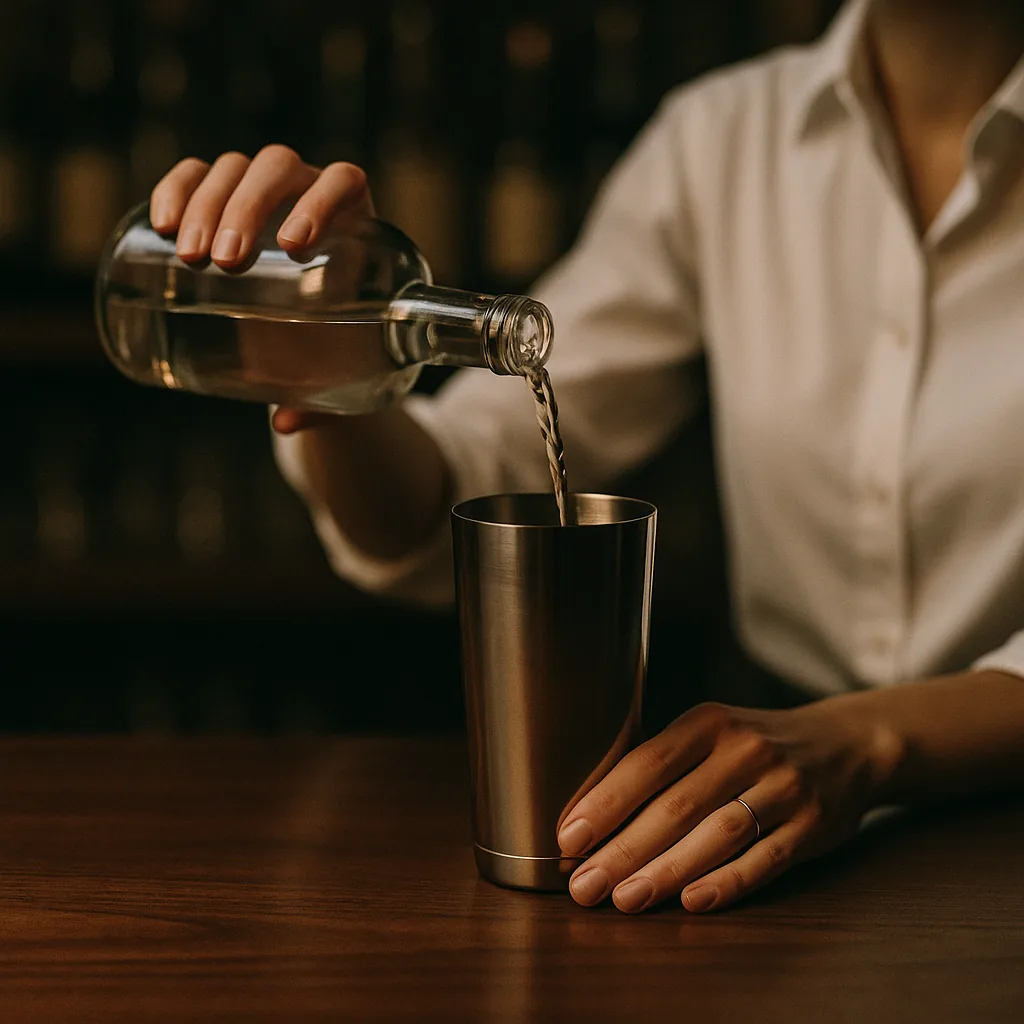
Gin, and only half the glass of it. This is the version Chandler's narrator says is the only real one.
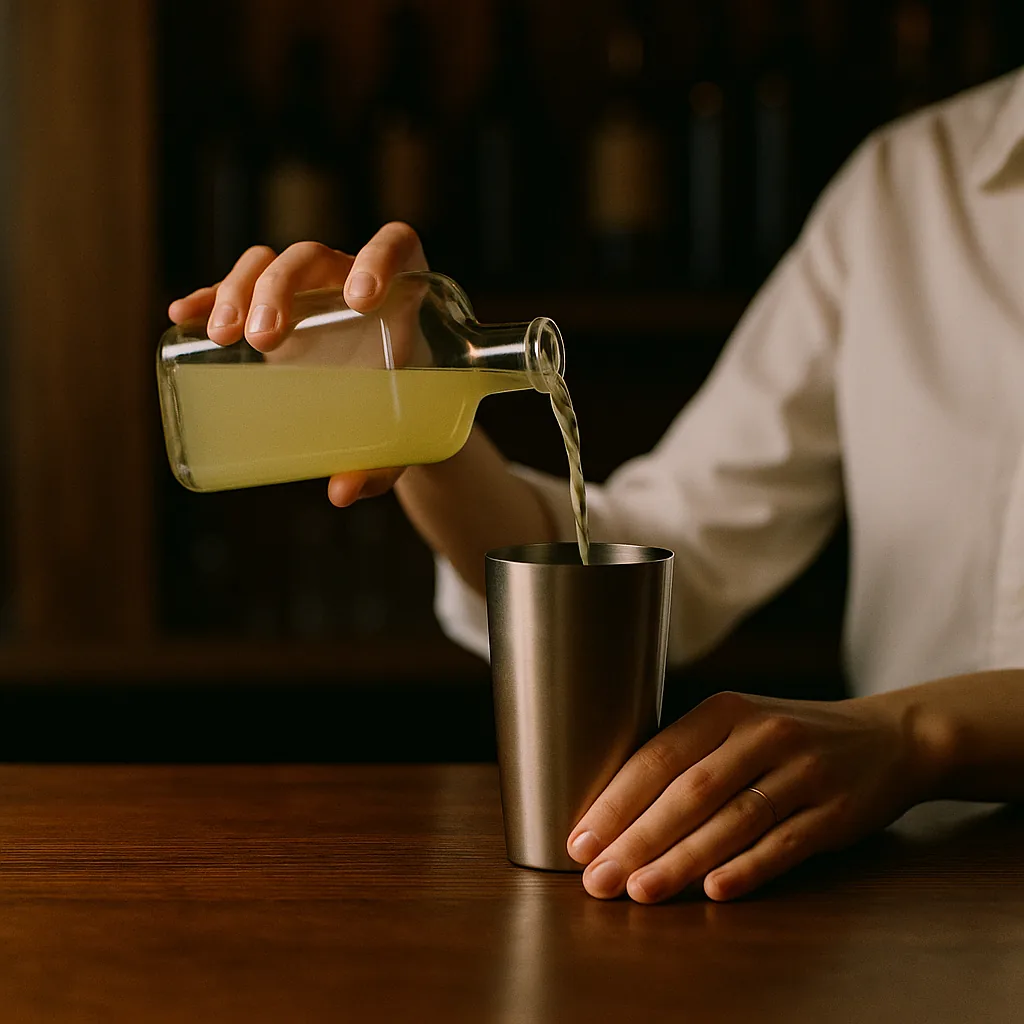
The same again in lime cordial. Sweet, and to a modern palate startlingly so — this is what a gimlet meant for thirty years.
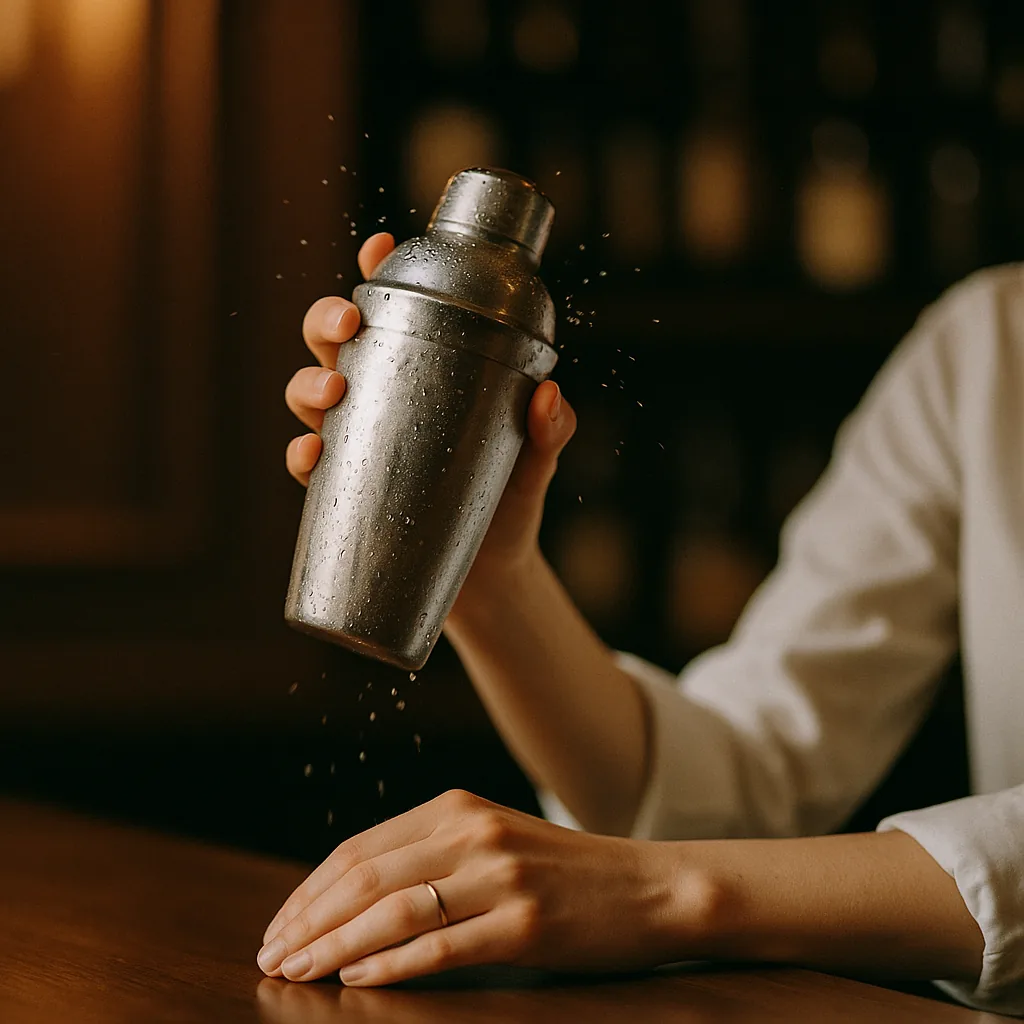
Shake it hard with ice. Cordial is thick, and it needs the force to actually come together with the gin.
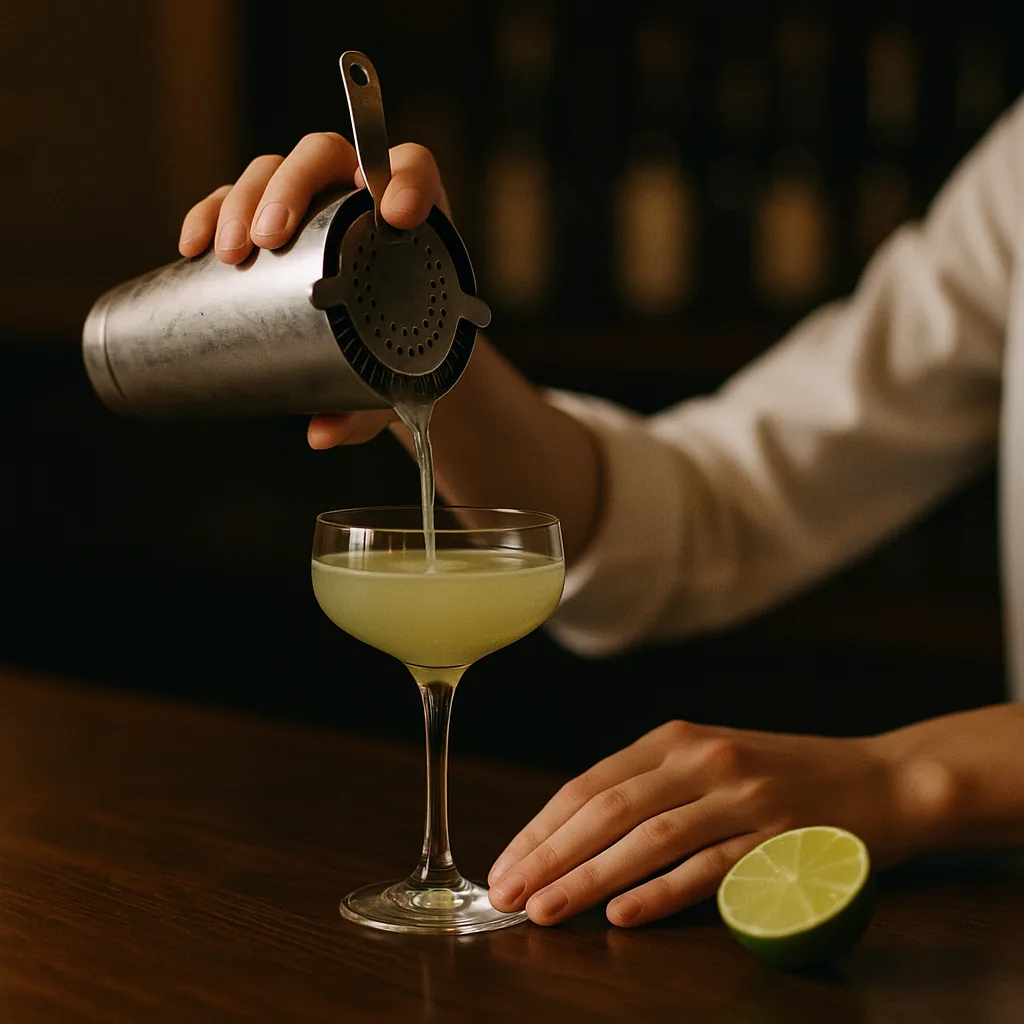
Strain it up. Try it once at these proportions before deciding they are wrong — the sweetness is the point of the drink, not a mistake in it.
The pineapple build
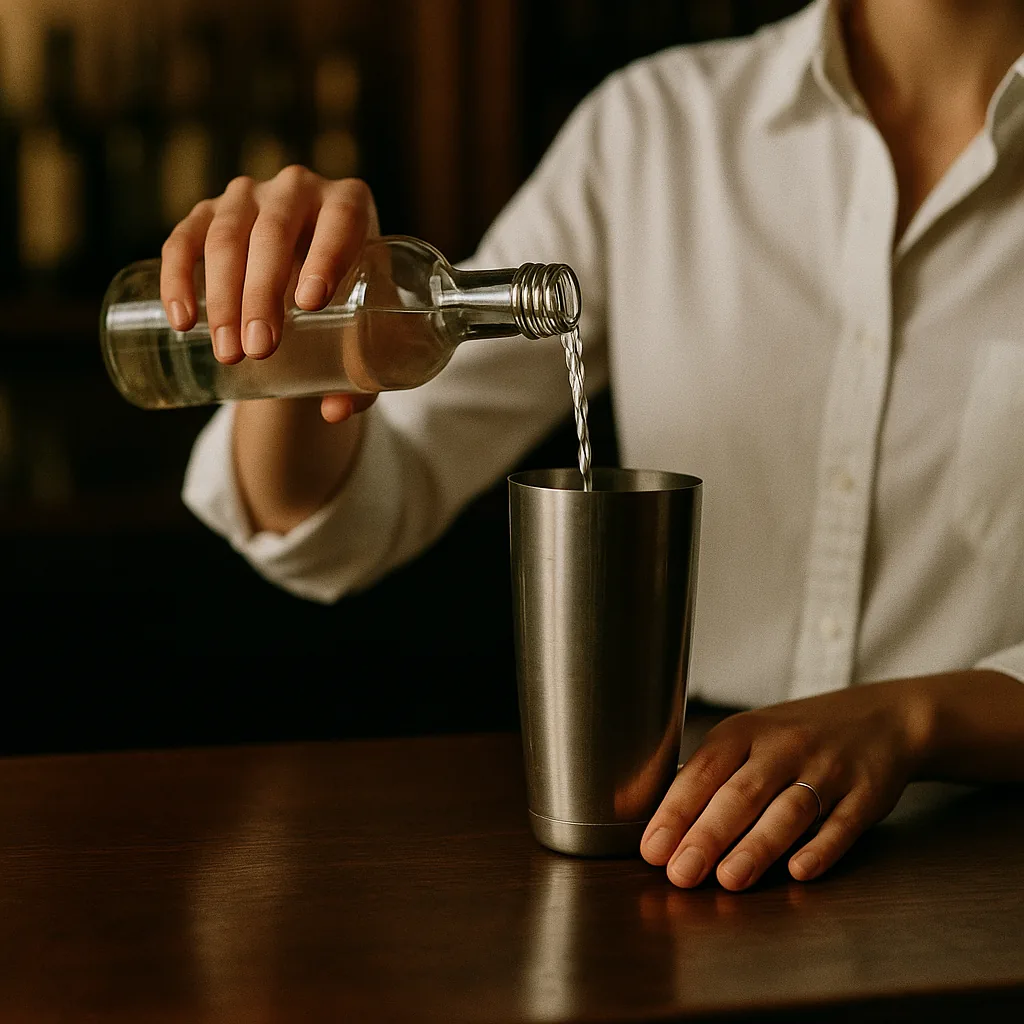
Fifty of gin, and now it is the larger measure rather than half. Modern gimlets run dry, and this one follows.
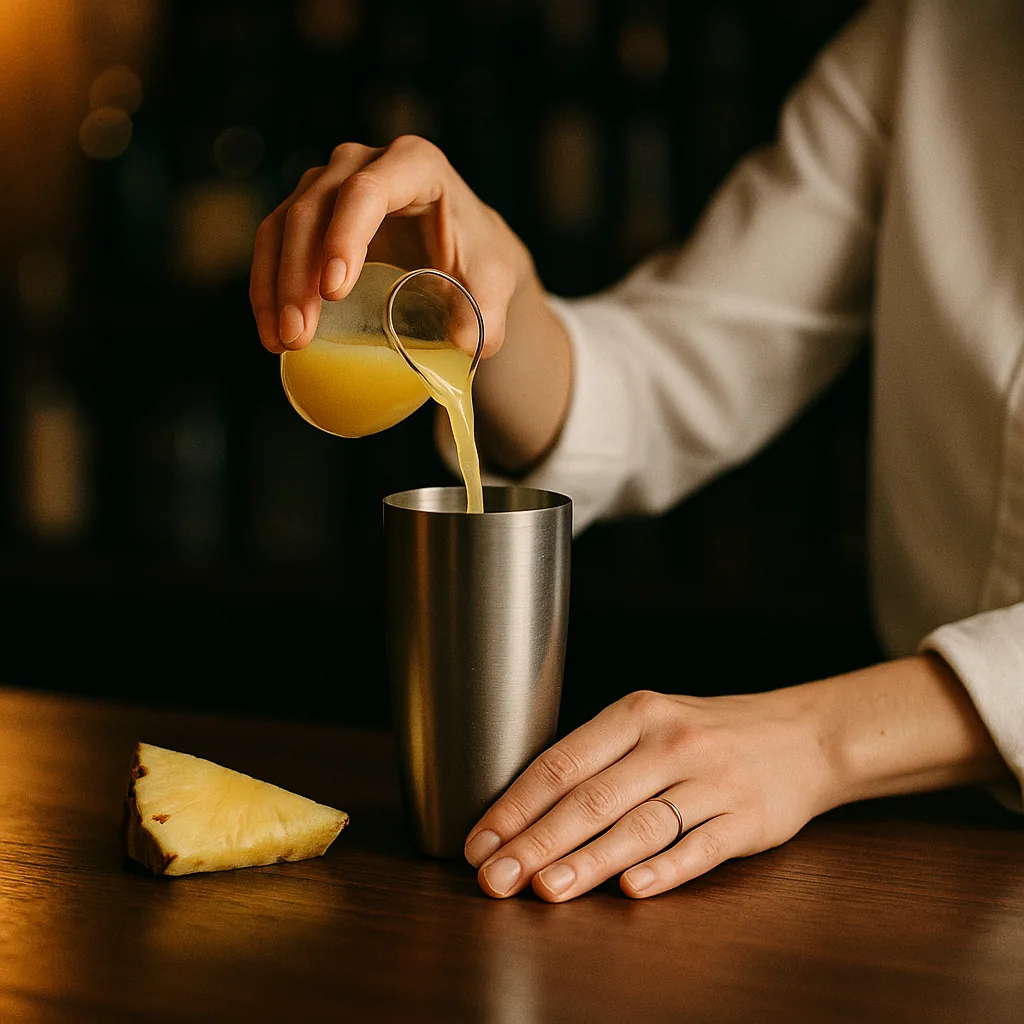
Thirty of pineapple juice, fresh if you can. This is where the body comes from — gin and lime alone are all edges.
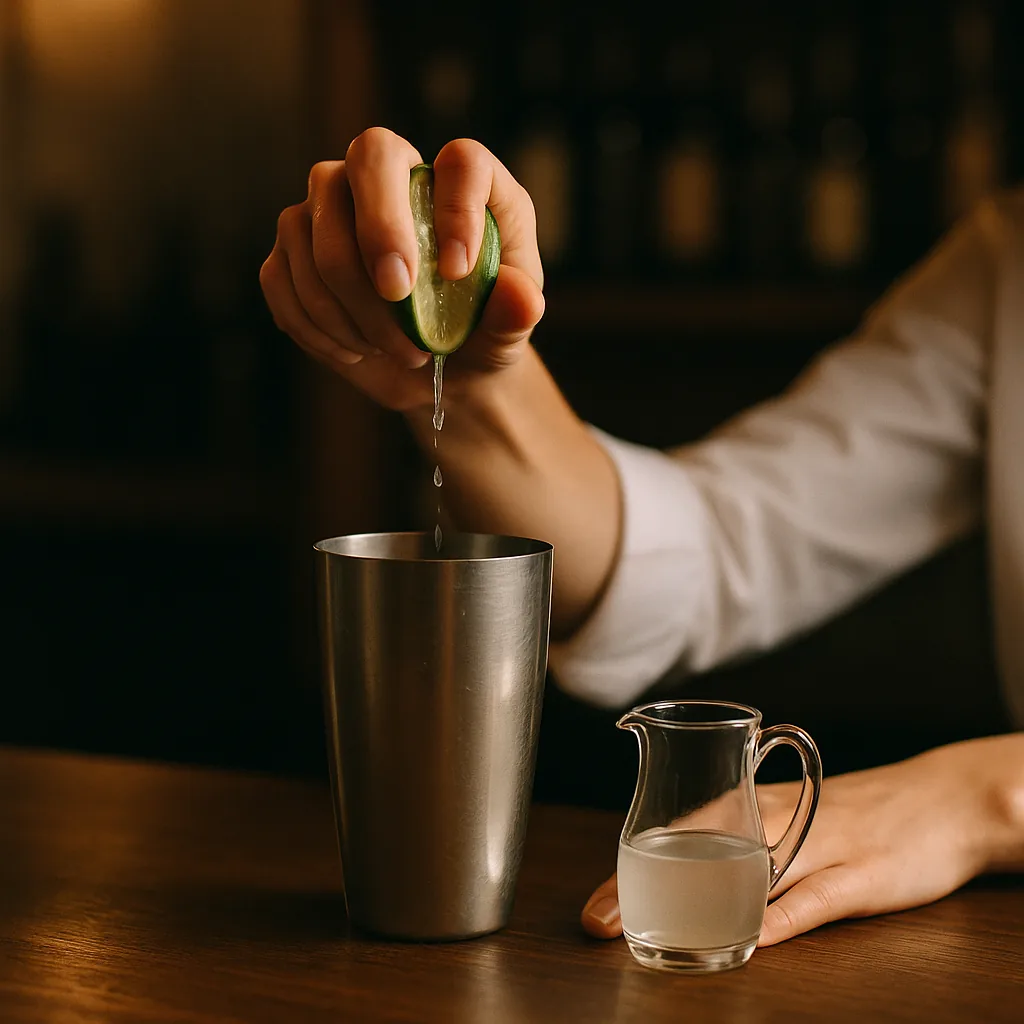
Twenty of lime and fifteen of sugar, taking the place of the cordial. Fresh juice and syrup separately gives you a dial the bottled version does not.
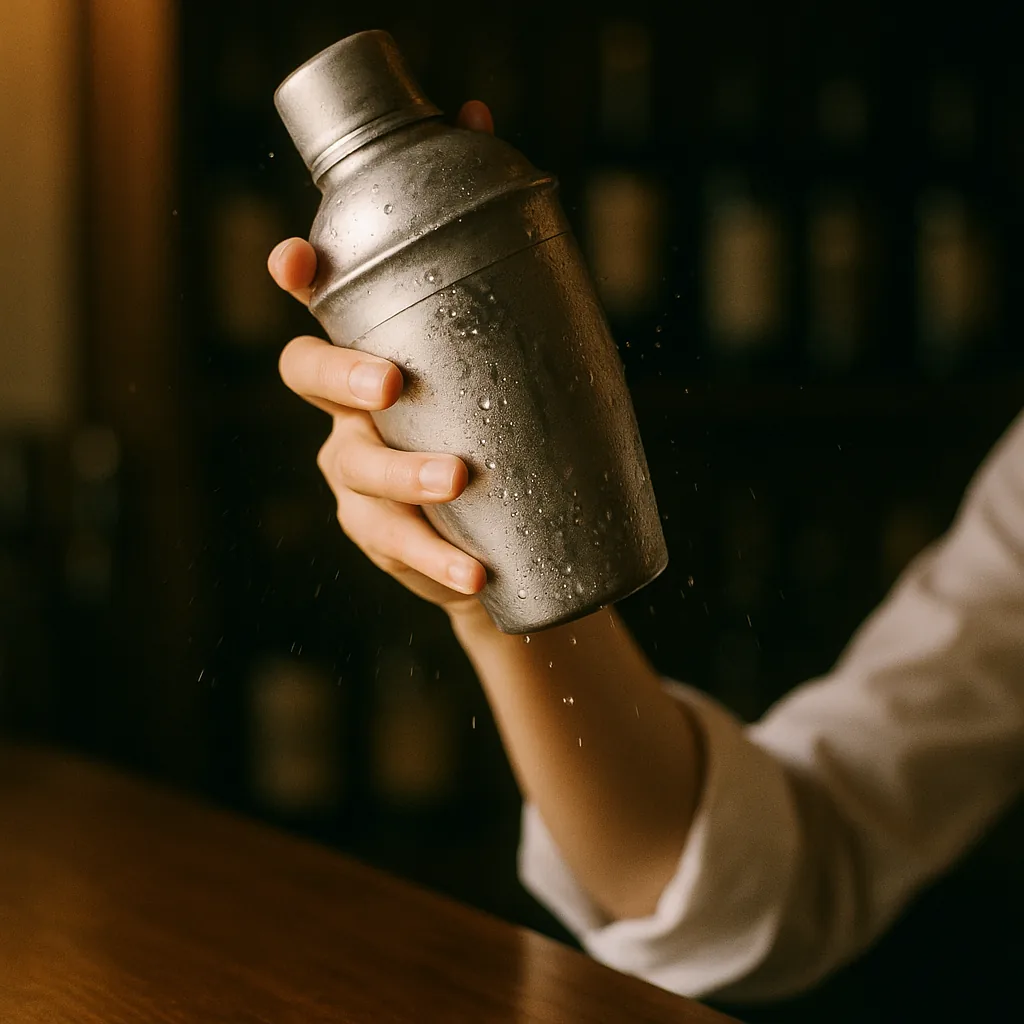
Shake it harder than you think you need to. Pineapple whips up a light foam, and that thin line at the rim is how you know it worked.
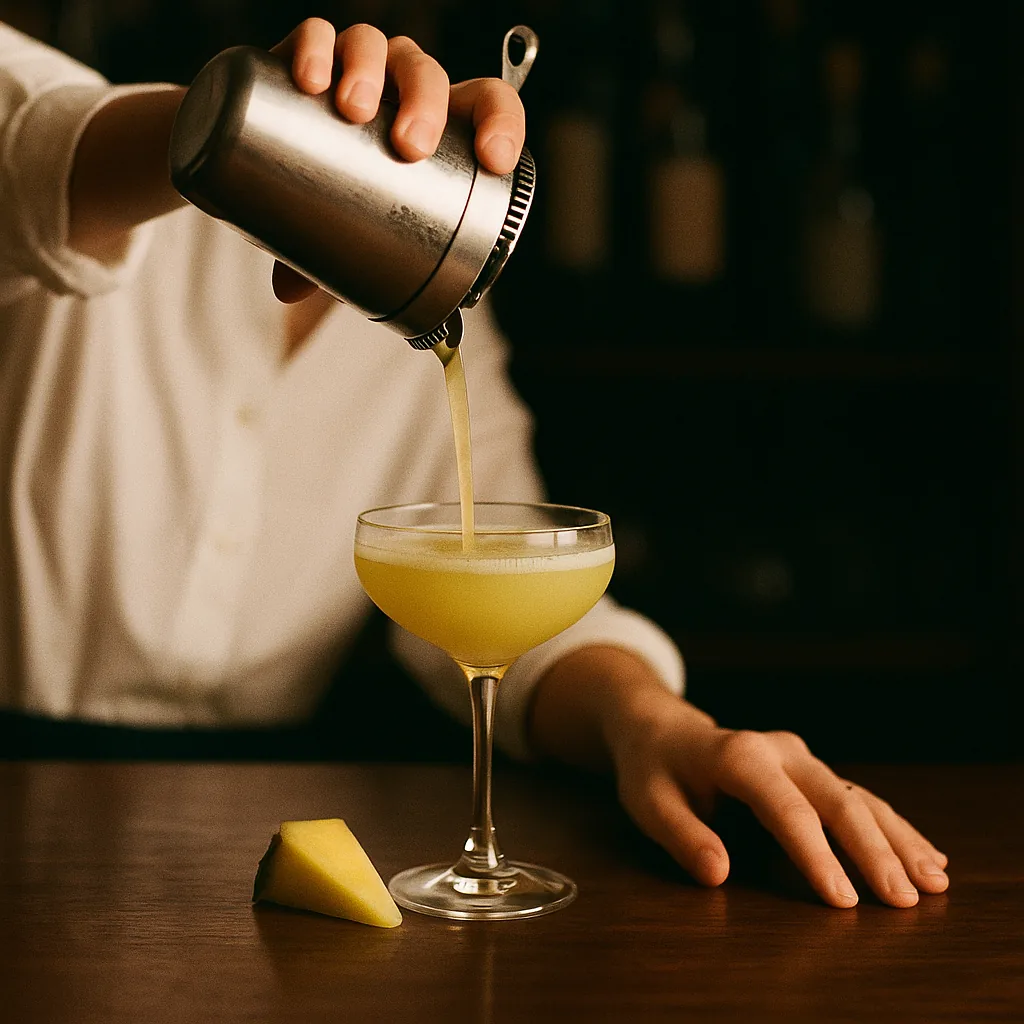
Strain up and drink it cold. Softer than a gimlet, still sharp enough to be one — which is the entire reason for the swap.
From the collection — 1 bottle
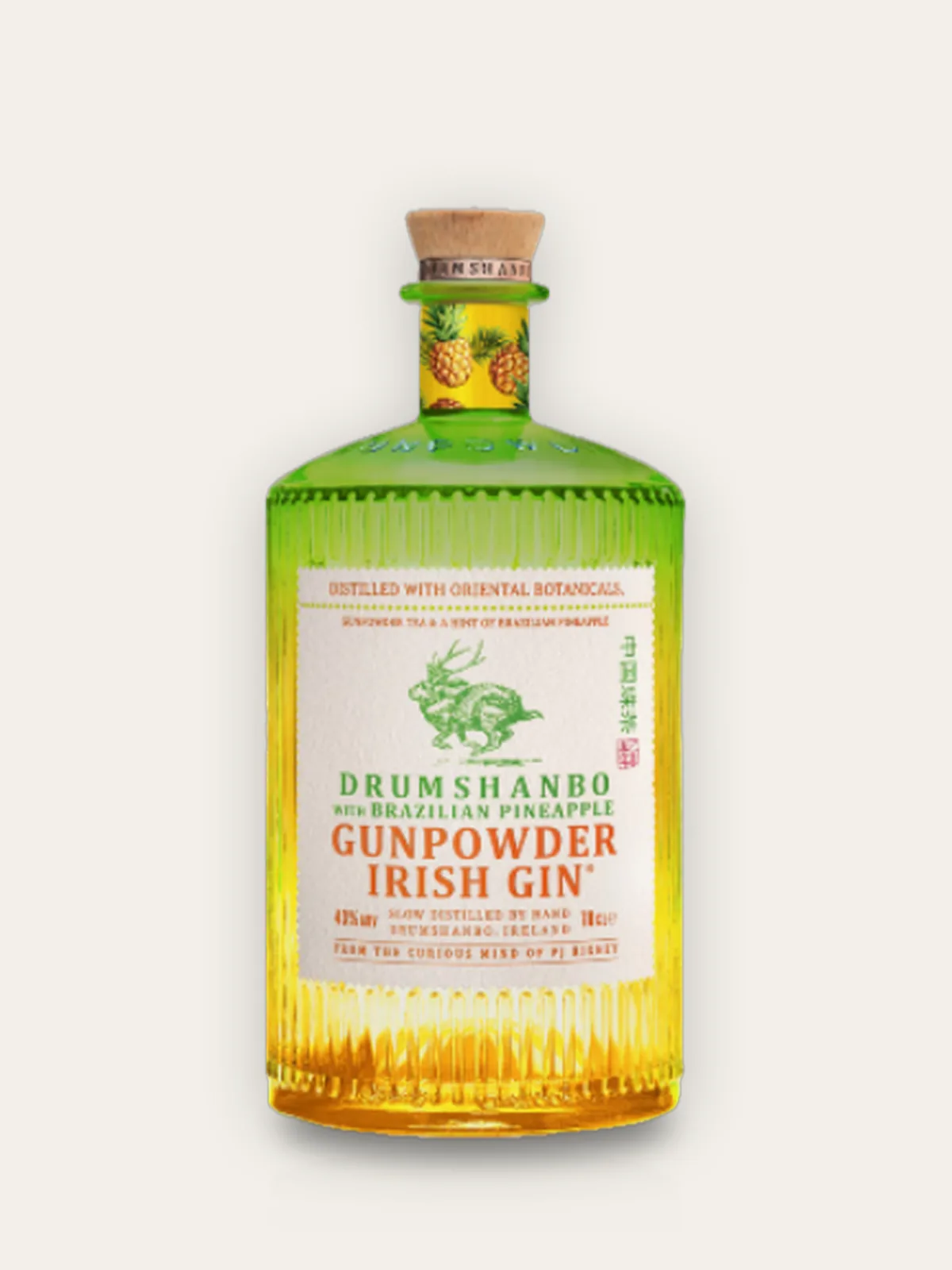
Drumshanbo
Gunpowder Irish Gin with Brazilian Pineapple
The Brazilian pineapple and gunpowder tea give lime cordial something to lean on, and 43% carries the drink without dilution flattening it.