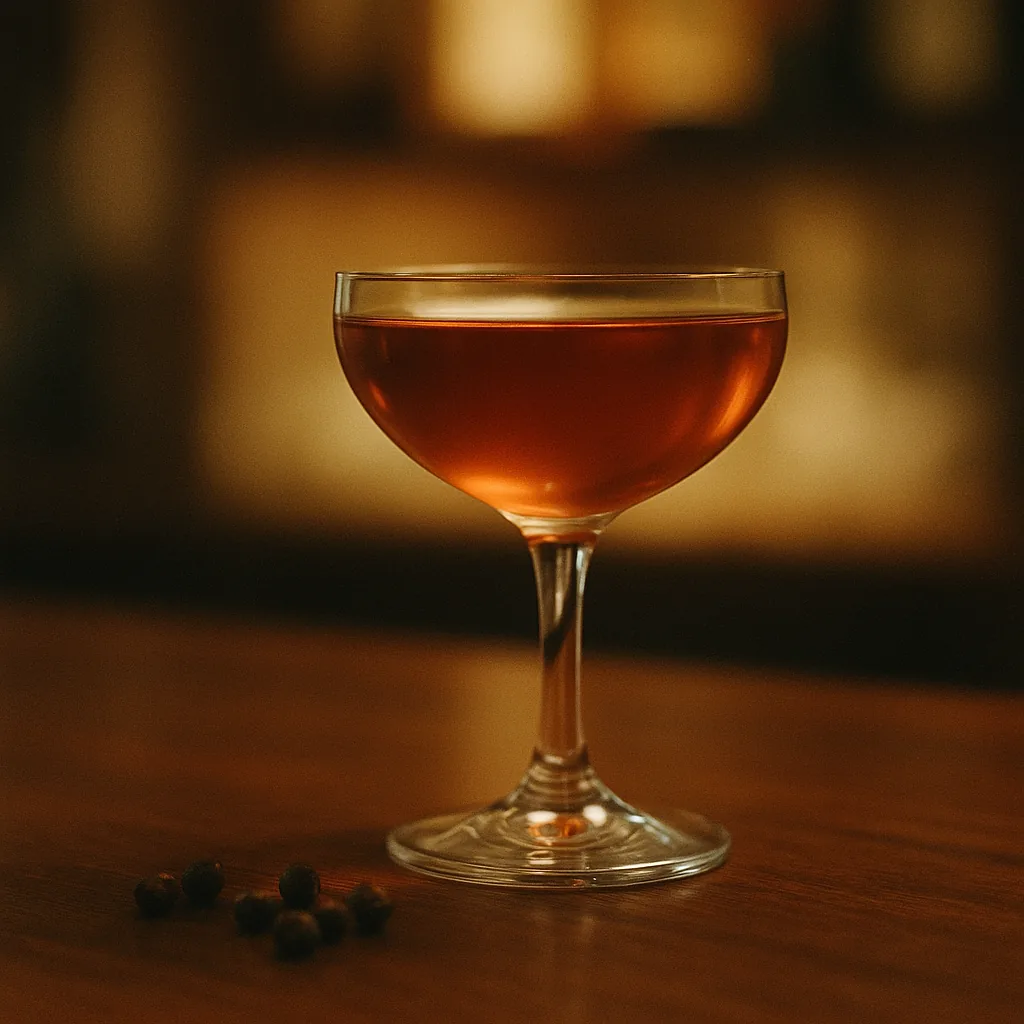
Gin & It
Equal parts gin and sweet vermouth, stirred and served up: soft, rounded, faintly bitter, the vermouth's caramel and herbs sitting over the spirit. The gin has to push back — juniper keeps it from turning syrupy, while softer floral bottles let the vermouth do the talking.
- 45 ml
- gin
- 45 ml
- sweet vermouth
Gin and sweet vermouth stirred, served up, no ice in the glass.
The drink and how it got here
The It is Italian vermouth — the sweet red kind, as opposed to the French dry. Two ingredients, and the name is an abbreviation of one of them. It is a forerunner of the martini, and the family resemblance is obvious the moment you put the two glasses side by side.
It was once official. The International Bartenders Association's first list, drawn up in 1961, ran to fifty drinks, and Gin And It was one of them — sitting between the Gibson and the Grand Slam, with Martini Dry and Martini Sweet listed separately a few names later. Whoever compiled that list considered all three to be different drinks.
It is not on the list now, and it is not much ordered either. There is no Wikipedia article for it. The clearest definition we could find anywhere is a footnote on a page about crossword abbreviations, explaining why IT means vermouth to a puzzle setter — which tells you, better than any anecdote could, how far this drink fell out of fashion.
So: one guide, and a short one. We are not going to invent an evolution for a drink whose surviving paper trail is a list from 1961 and a crossword footnote. What we can show is how to make it, and it takes four steps.
Equal parts, stirred
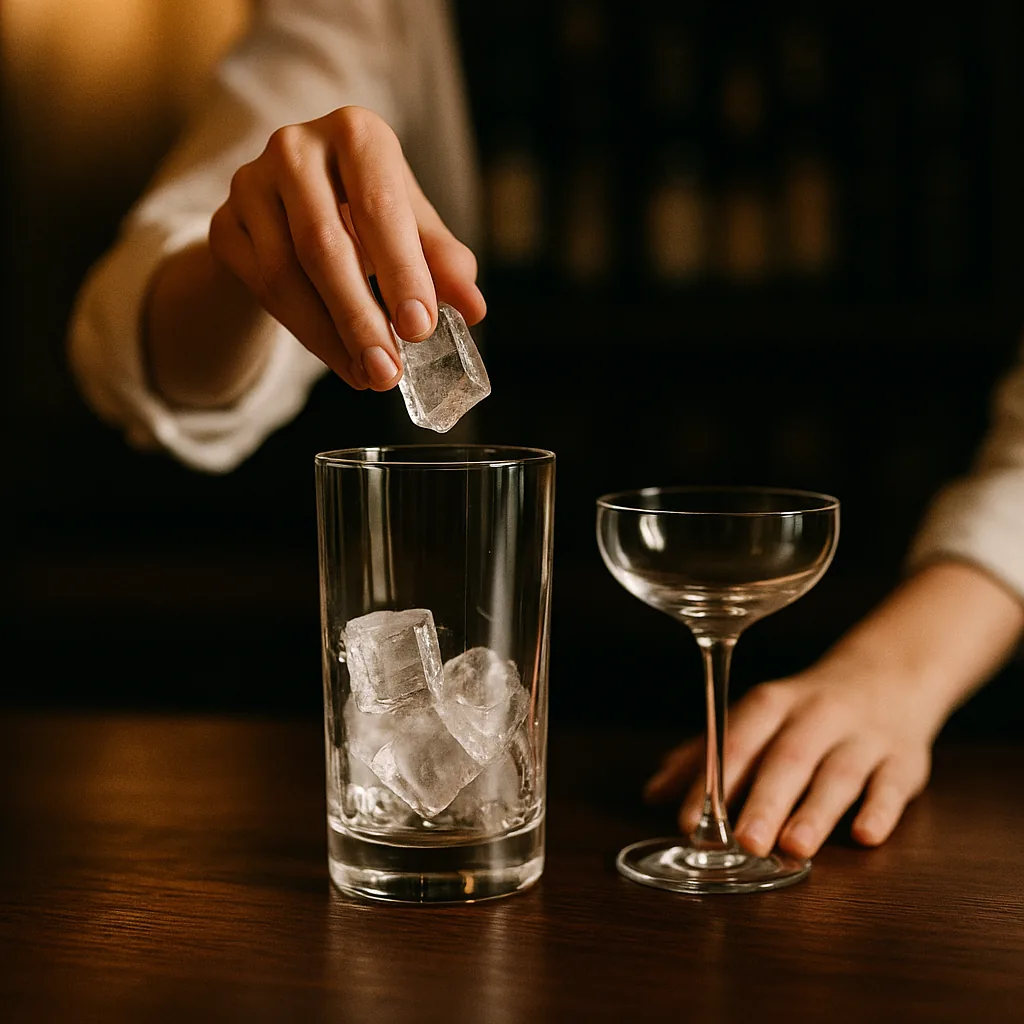
Ice in the mixing glass, coupe chilling beside it. Two ingredients means two chances to get it wrong, and temperature is one of them.
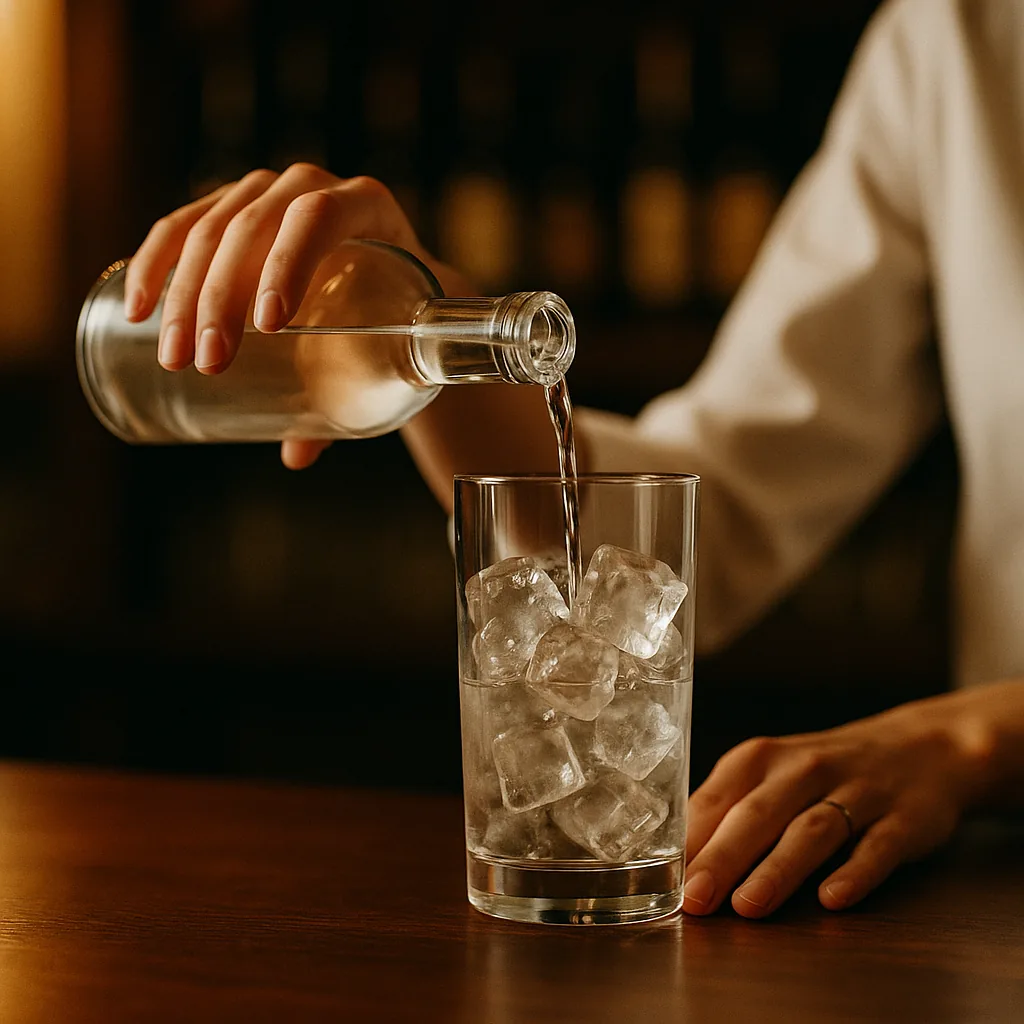
Forty-five of gin. Half the drink, so juniper had better be able to hold its own against a lot of sugar.
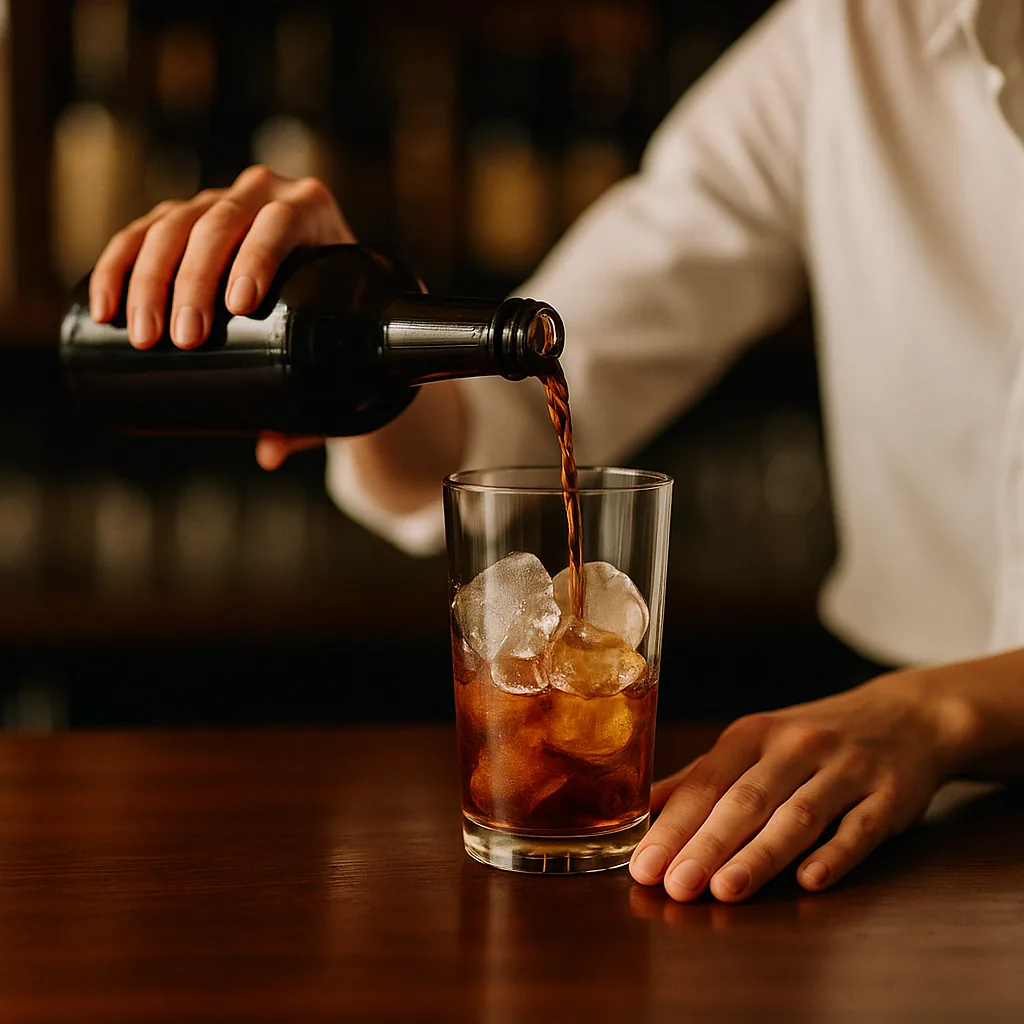
Forty-five of Italian vermouth. That is the It, and equal parts is the whole recipe — no bitters, no cherry liqueur, nothing else.
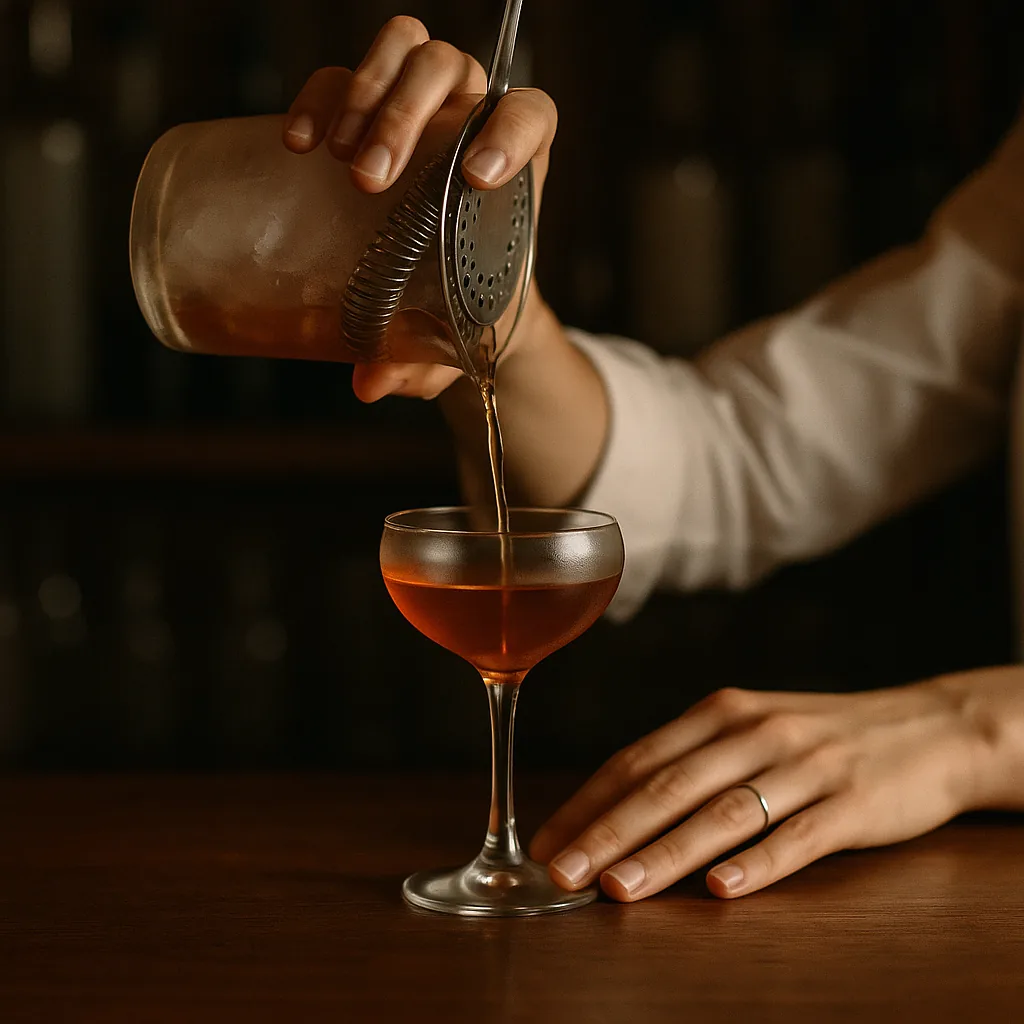
Stir it cold and strain it up. Vermouth by itself is a whole shelf of herbs — with this little else in the glass, buy one you would drink on its own.
From the collection — 3 bottles
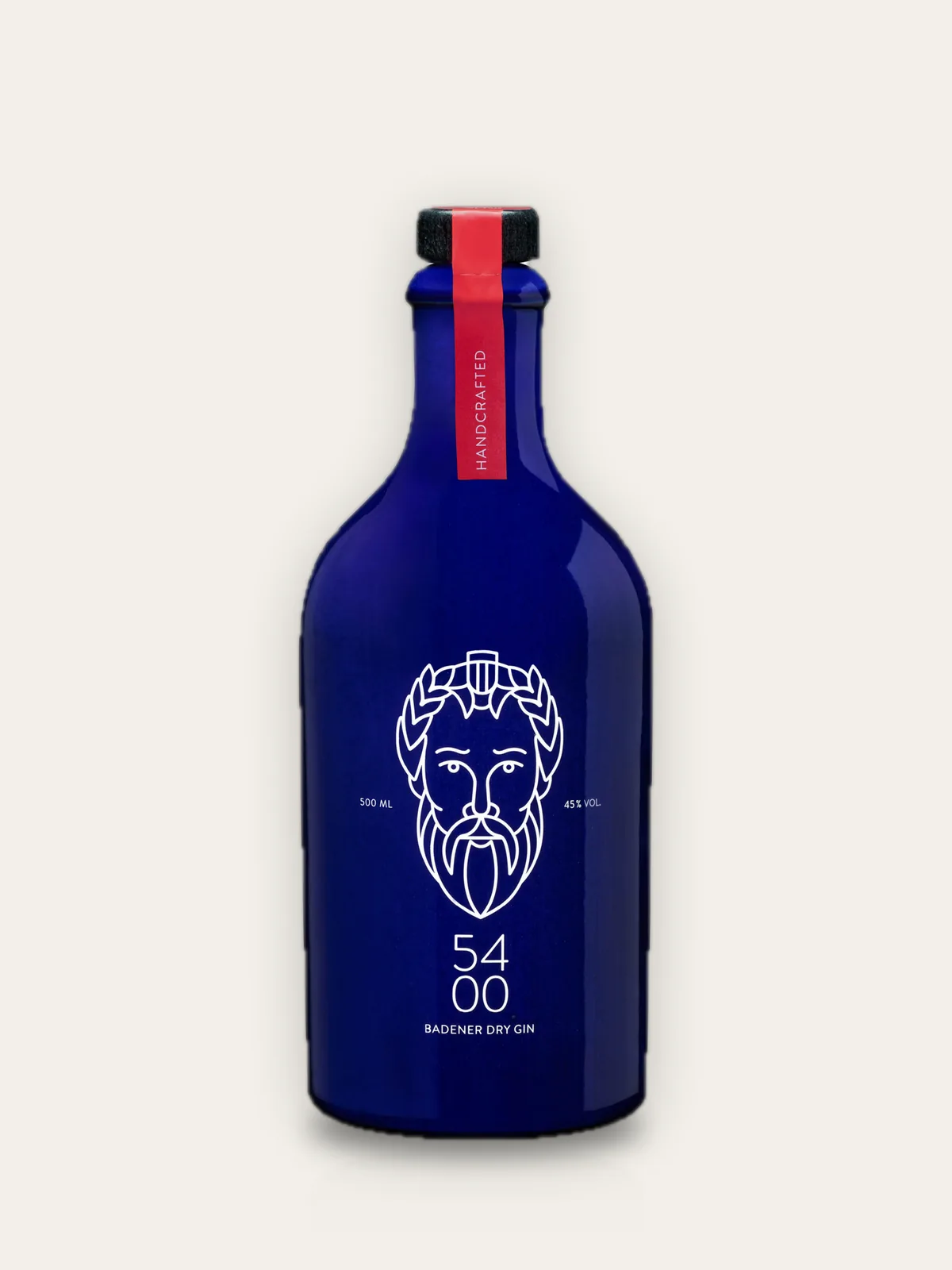
5400
Badener Dry Gin
The piment and rose hip in this Badener gin meet sweet vermouth on its own terms, and 45% carries the botanicals through the wine without thinning out.
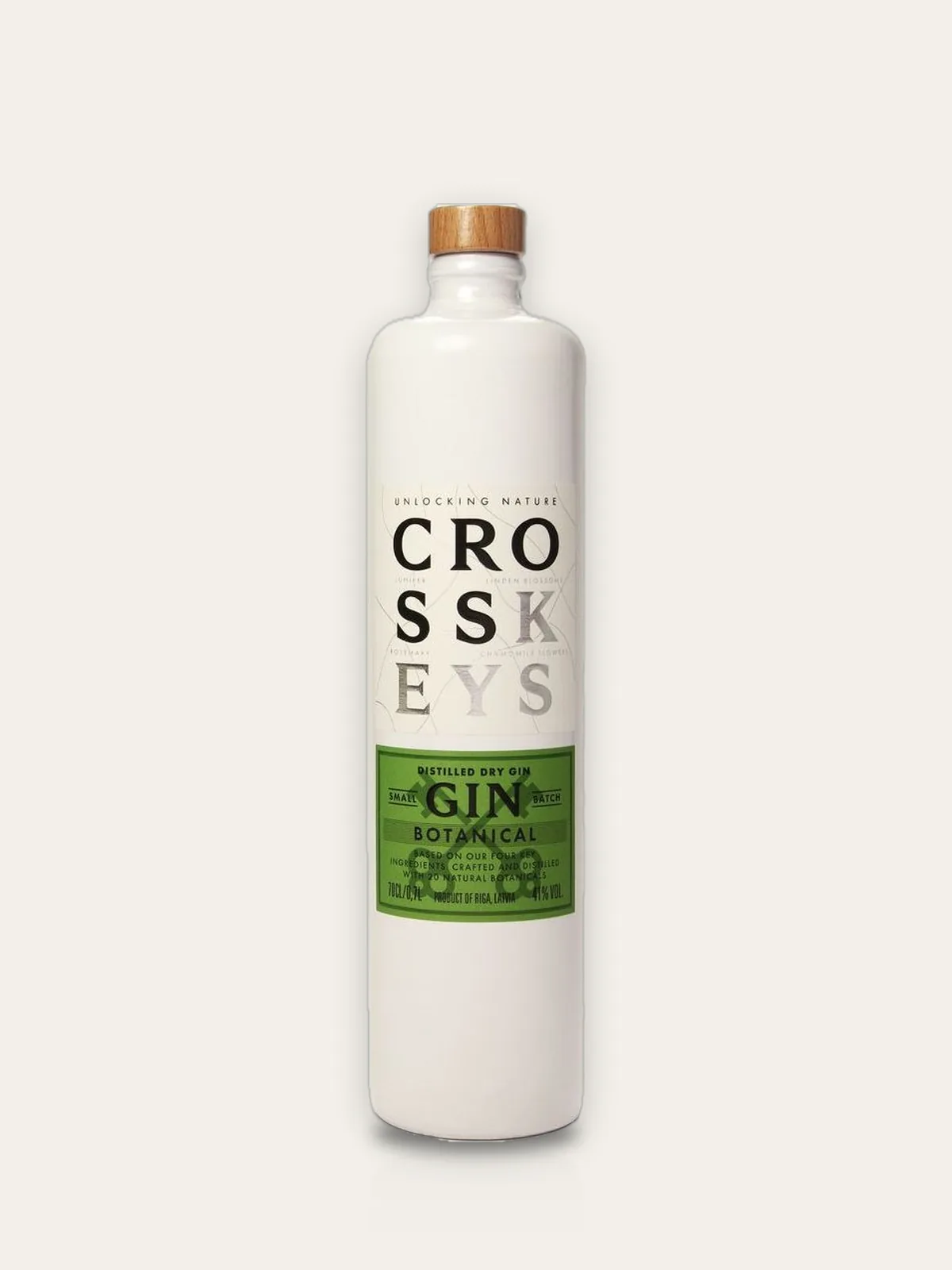
Cross Keys
Gin Botanical
The rosemary and chamomile meet the vermouth's own wormwood and dried herbs, and at 41% this gin sits with sweet vermouth without needing to shout over it.
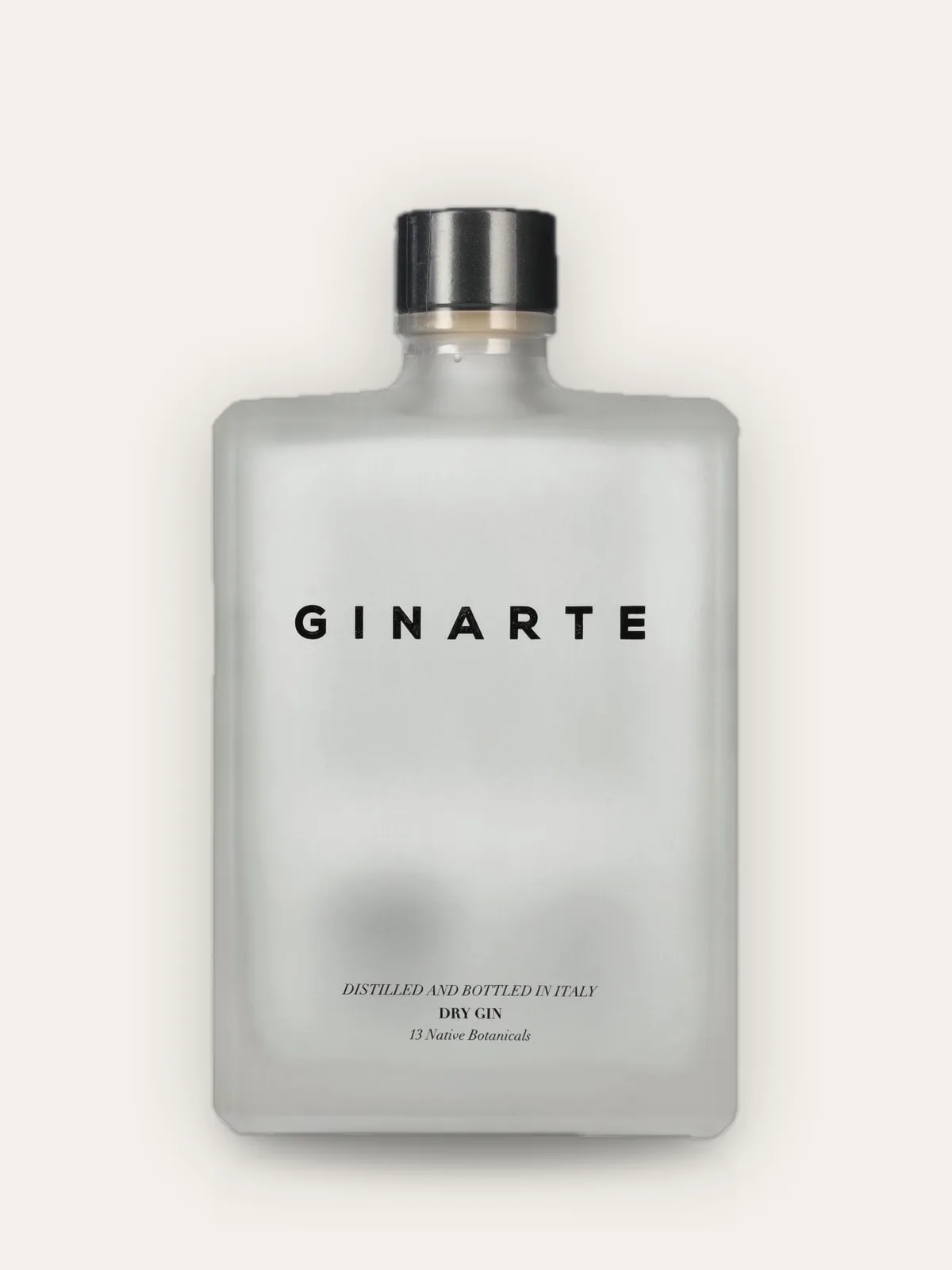
Ginarte
Gin
The nepitella's minty-savoury bite reads as an Italian gin should against sweet vermouth, and 43.5% holds its line in a two-ingredient stirred drink.