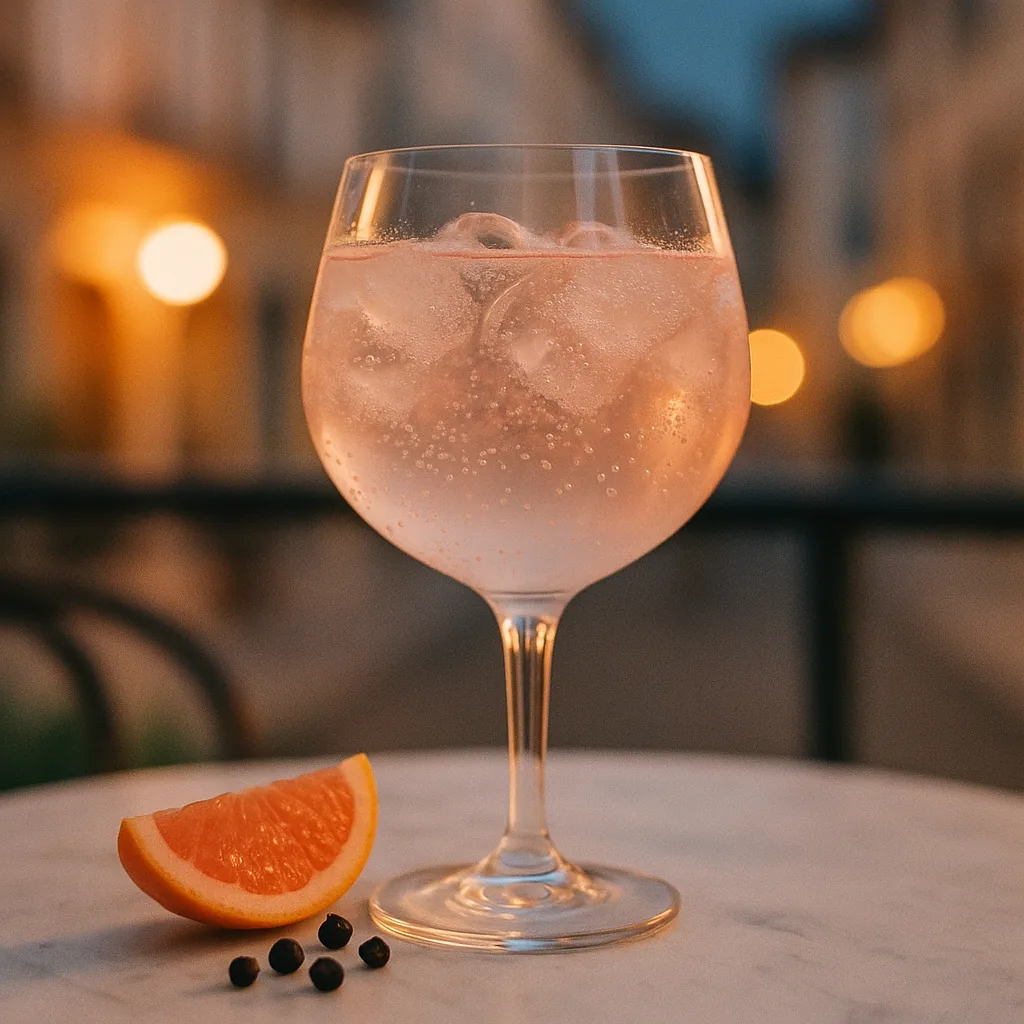
Pink Gin & Tonic Spritz
A long, dry, faintly bitter drink: the angostura tints the gin pink and pulls a spiced edge through the tonic's quinine, while the sparkling wine adds weight and a dry, yeasty tartness. Grapefruit sharpens the finish. The gin needs juniper and backbone to read through three competing bitternesses.
- 40 ml
- gin
- 3 dashes
- angostura bitters
- 60 ml
- sparkling wine
- to top
- tonic water
- grapefruit
Bitters-tinted gin built over ice, tonic and sparkling wine, grapefruit slice.
The drink and how it got here
This is two old drinks stacked on each other. Underneath is the pink gin — Plymouth gin and Angostura bitters, taken by the Royal Navy against sea sickness after Dr Siegert formulated the bitters in 1824, and drunk for pleasure in England by the 1870s. On top of that goes tonic, which arrived by the same route: quinine against malaria, on sale from 1858, mixed with gin because on its own it was too bitter to swallow.
The middle step is documented and is not ours. A pink gin and tonic is a standard order — four dashes of Angostura and two shots of gin in a highball, topped with tonic over ice and garnished with lemon — and it is simply what happens when the two naval habits meet in one glass.
The spritz layer is the modern part and the only part we added: sparkling wine alongside the tonic, in a big goblet, the way an Aperol spritz is built. It brings weight and a dry yeasty edge that tonic alone does not have, and it drops the strength of the glass without making it taste watery.
Two guides, then. First the sourced pink gin and tonic — a complete drink, and the one to make if you only want one thing. Then our spritz on top of it. The order matters more than it looks: bitters go in before anything fizzy, because you cannot stir them in afterwards without knocking the life out of the glass.
Pink gin and tonic
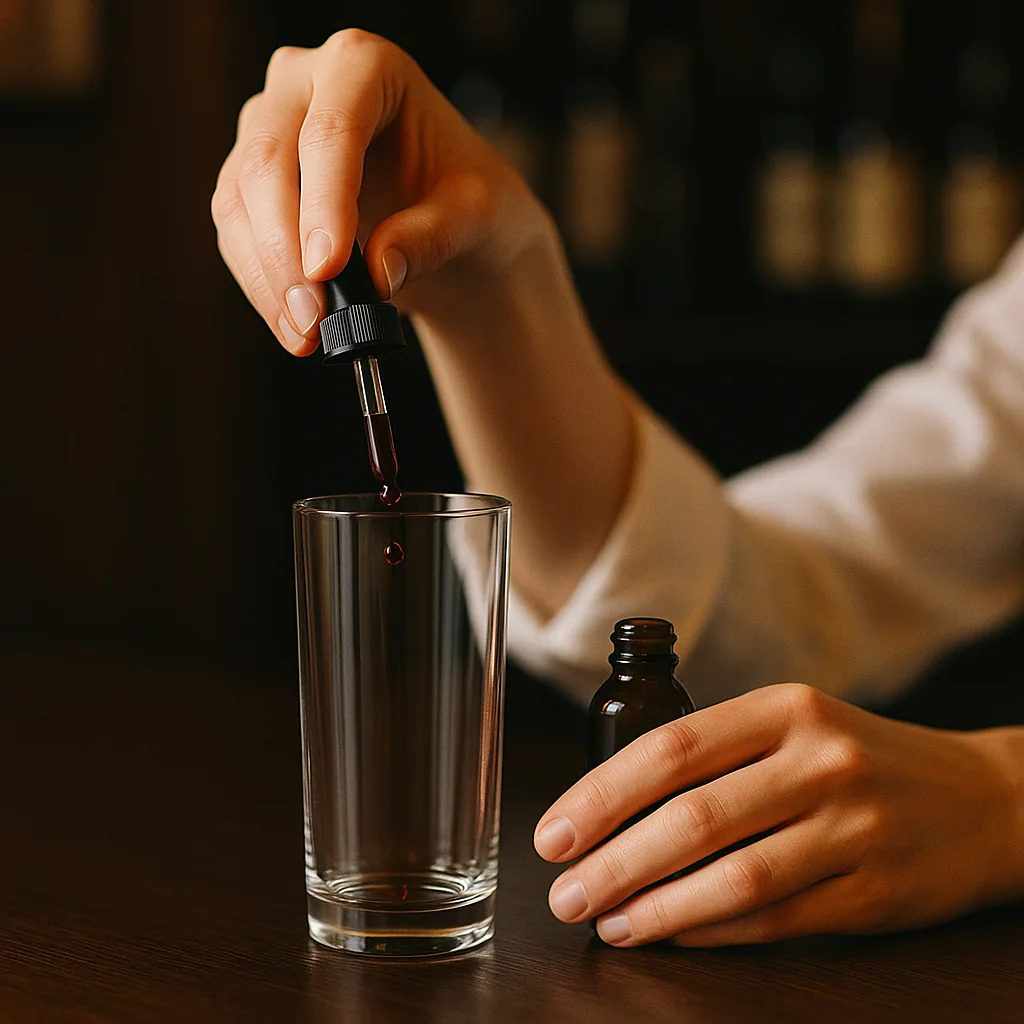
Four dashes of Angostura, into the empty glass. Bitters go first in anything fizzy — you cannot stir them in later without killing the bubbles.
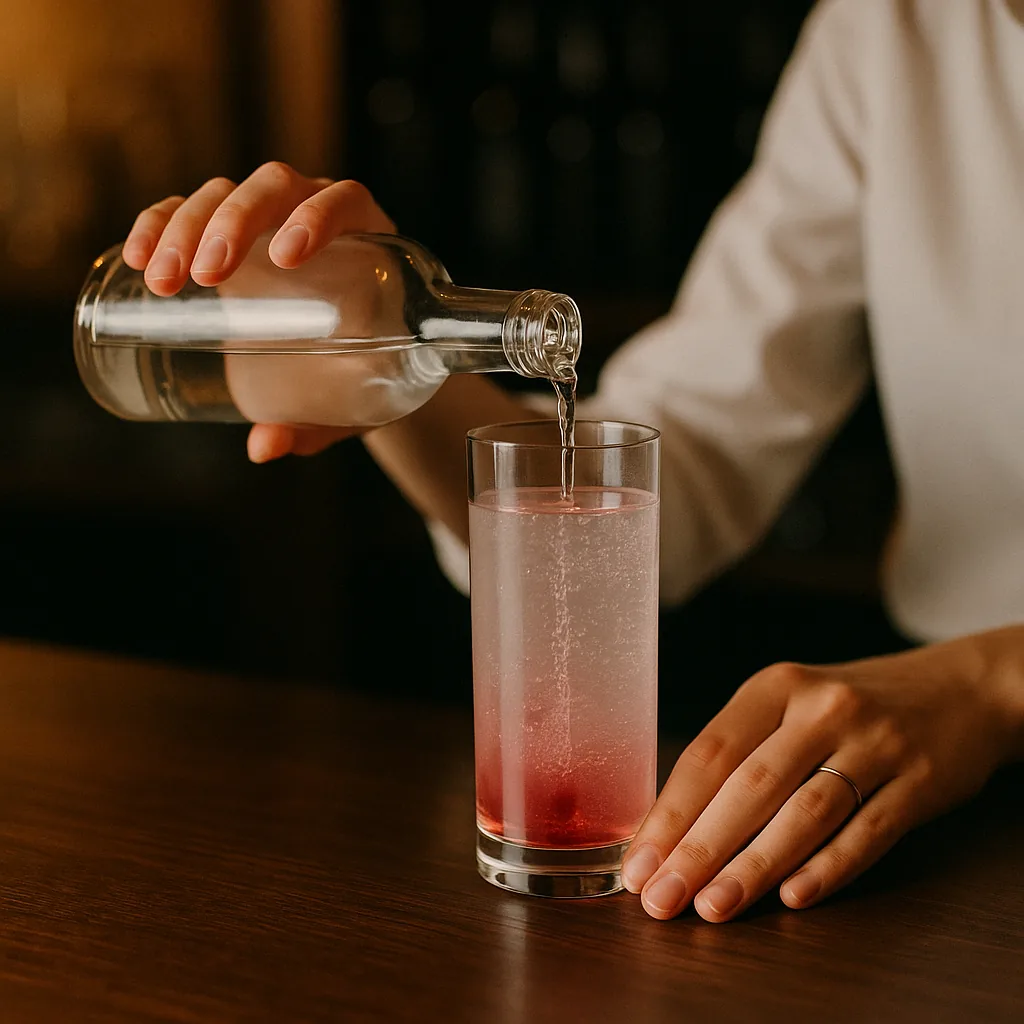
The gin next, and the colour comes up straight away. Two shots is the usual pour for this one.
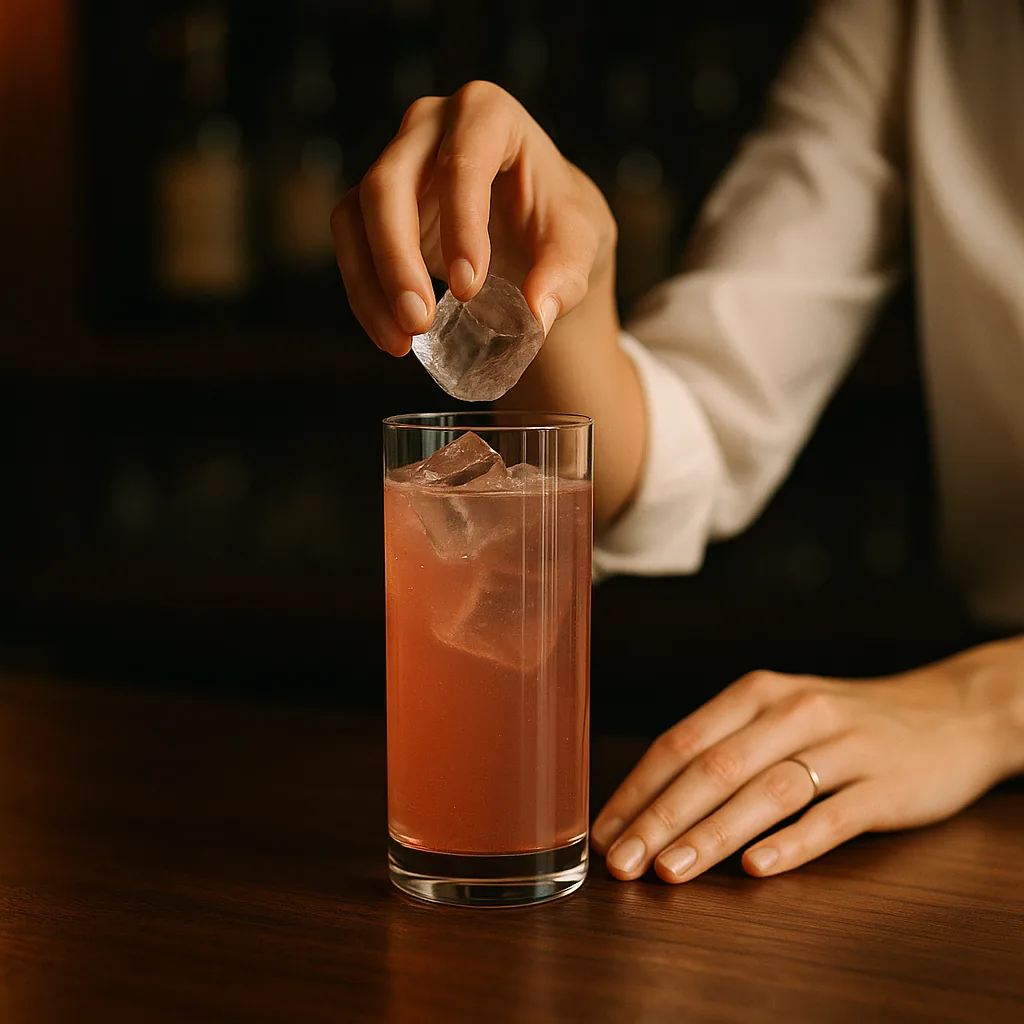
Ice after the spirit, and fill it. A full glass of ice melts slower than a half-empty one, which is the opposite of what most people assume.
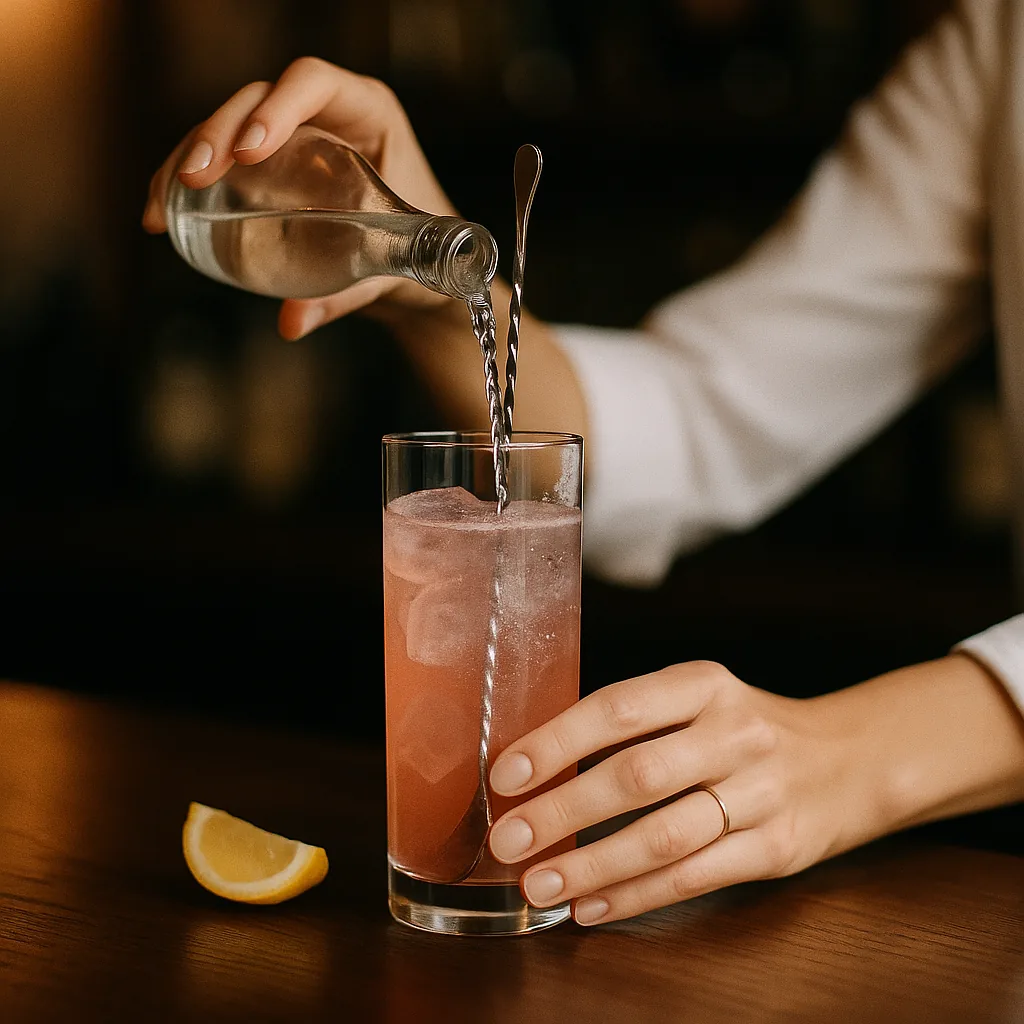
Tonic down the spoon, lemon on top. That is the whole documented drink — everything after this is ours.
The spritz
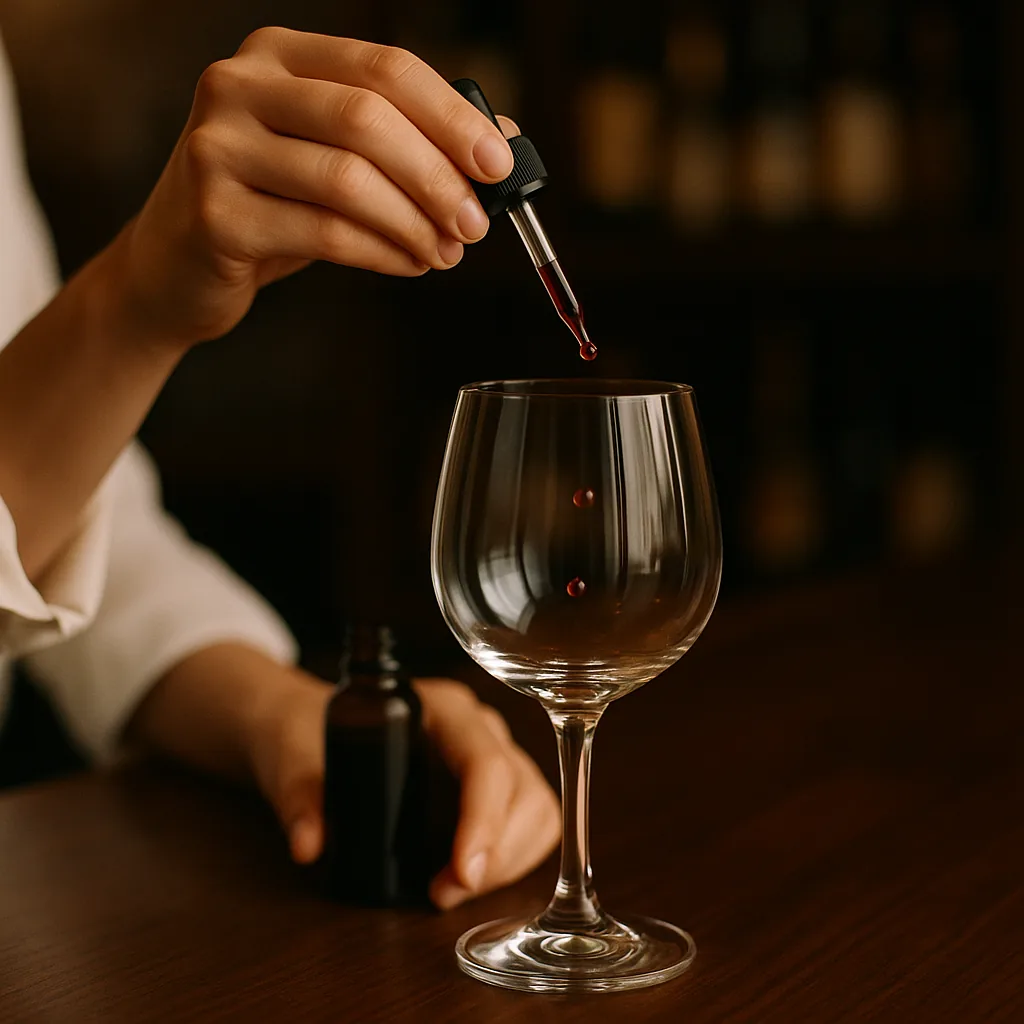
Same first move in a bigger glass. Three dashes here rather than four — there is more going in on top of them.
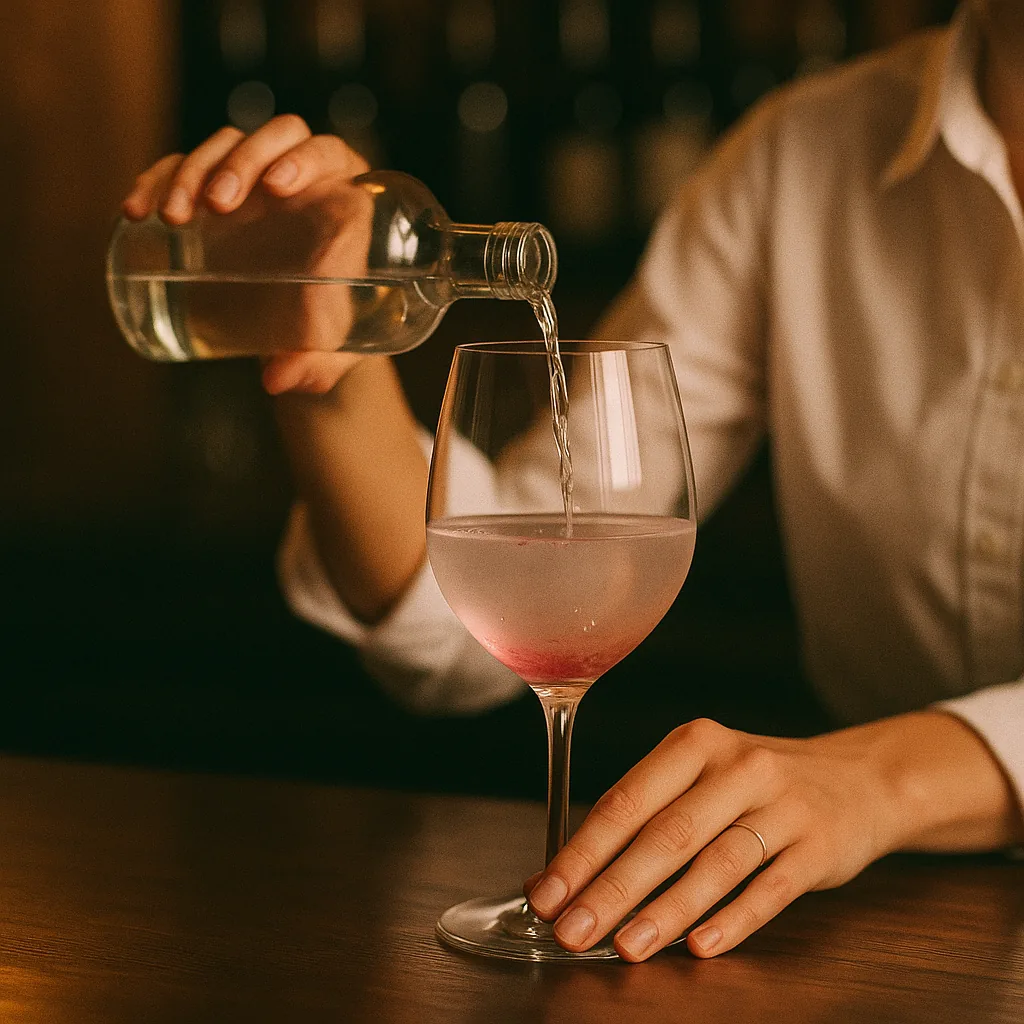
Forty of gin, a shorter pour than the highball takes. This is a long drink, not a strong one.
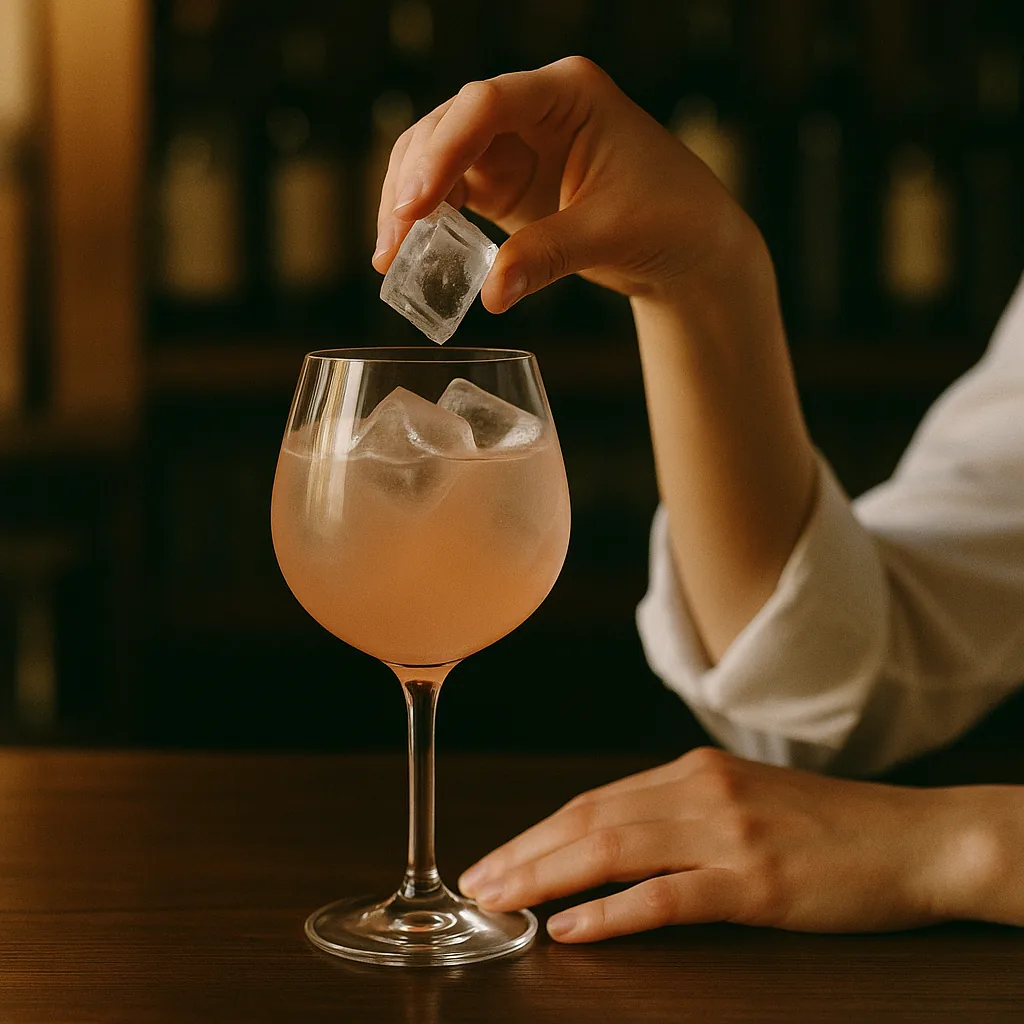
Fill the bowl with ice. The wide glass is doing the same job it does in a Spanish copa — holding the smell where you can reach it.
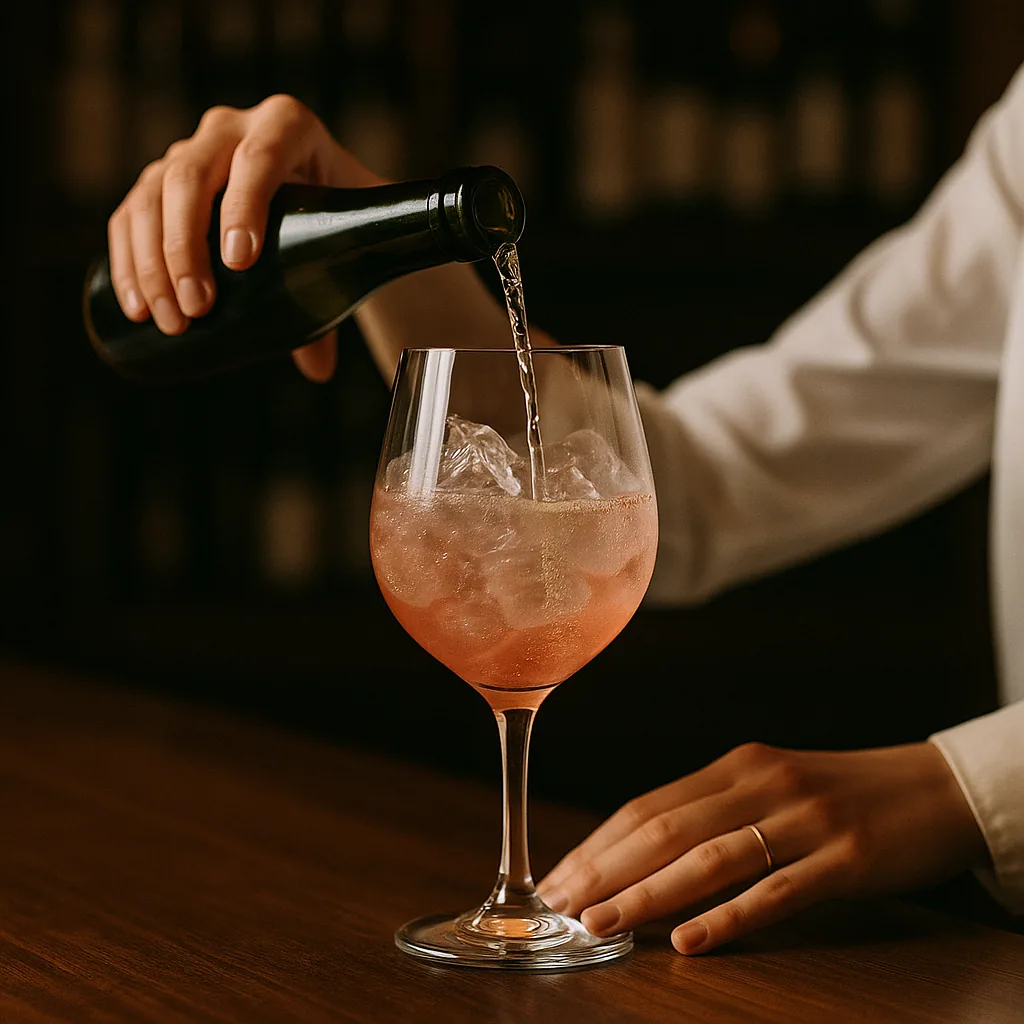
Sixty of sparkling wine, down the side of the glass. Poured into the middle it foams over and loses half its fizz in the sink.
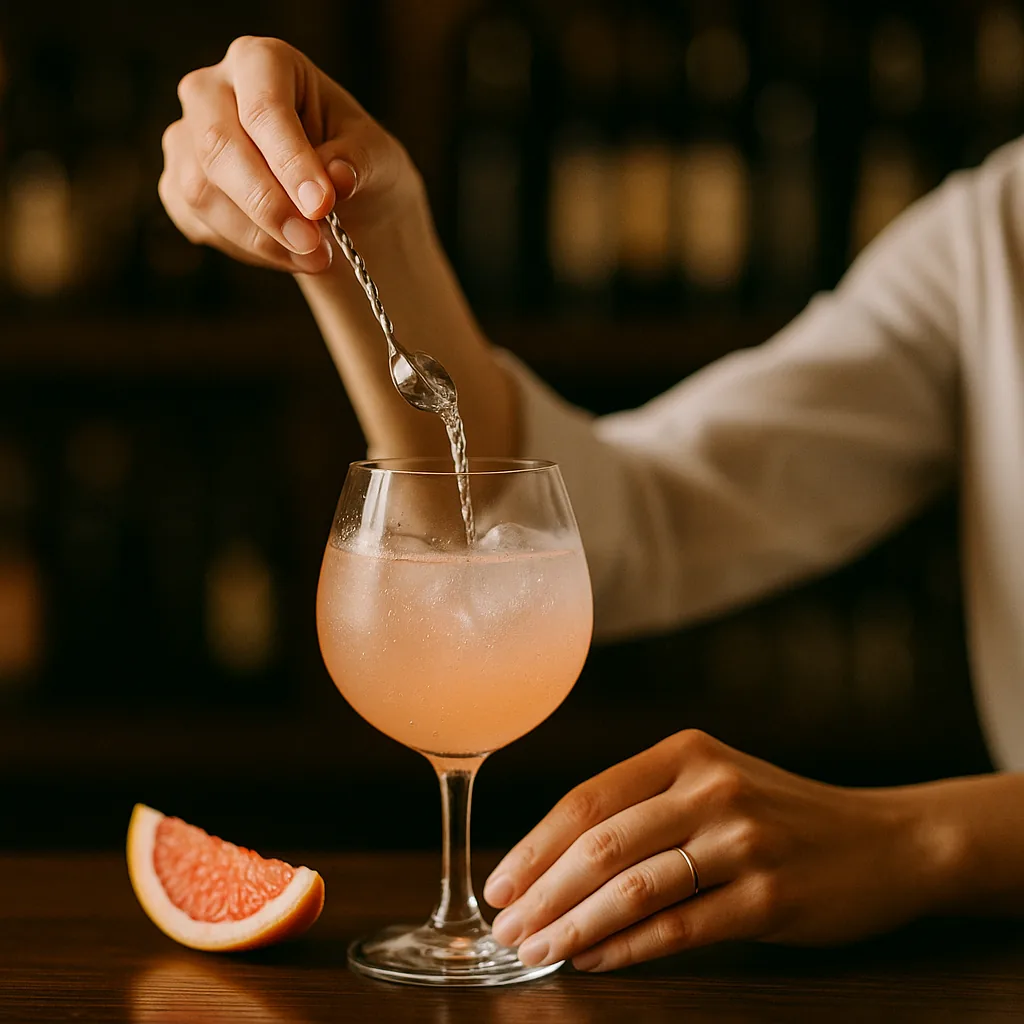
Tonic down the spoon to fill it, then a slice of grapefruit. Three bitter things in one glass — quinine, Angostura, grapefruit pith — and the gin has to be heard over all of them.
From the collection — 1 bottle
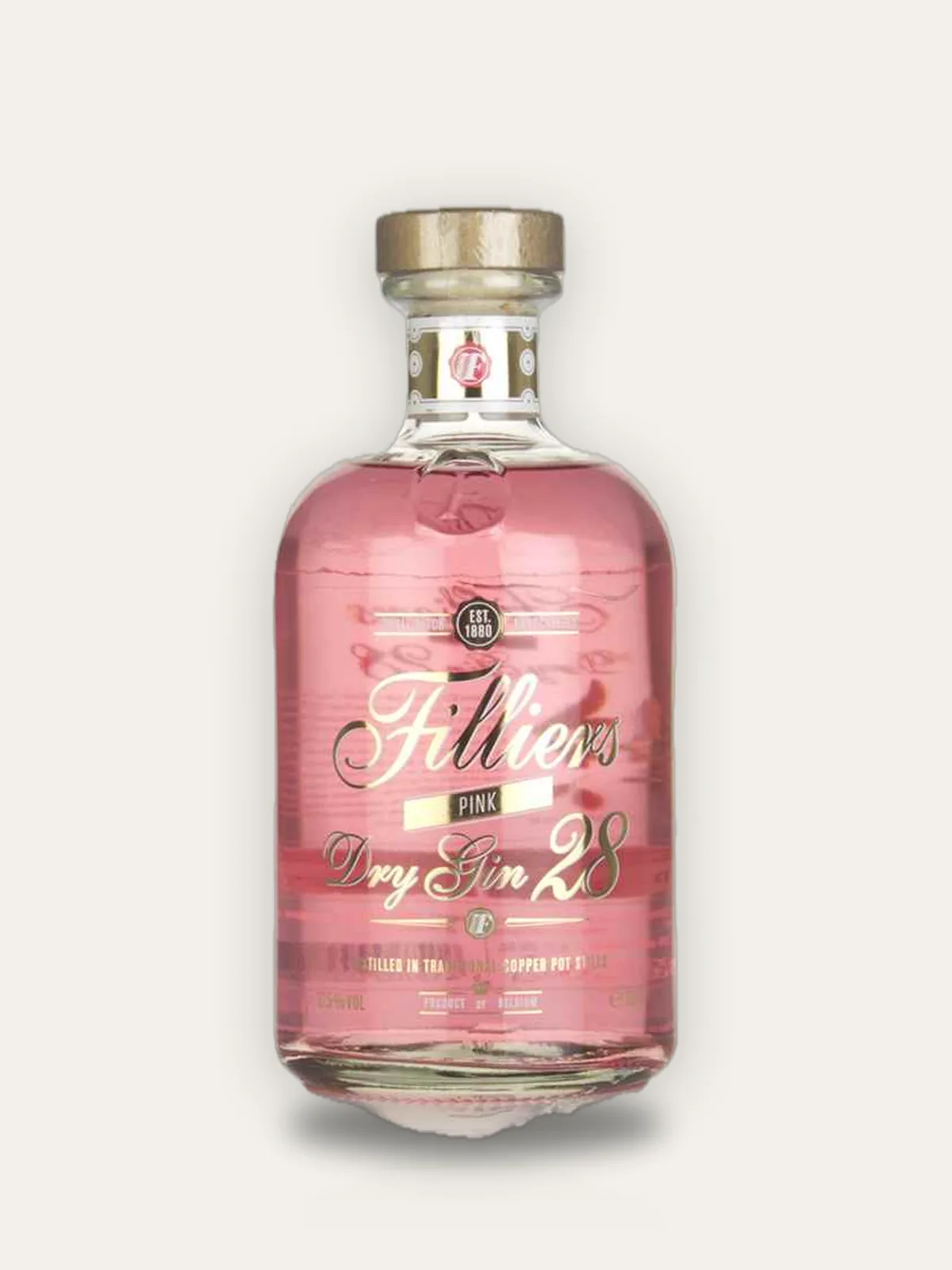
Filliers
Dry Gin 28 Pink
The berry sweetness of Filliers 28 Pink and its modest 37.5% mean it dilutes long without thinning out, so a tall spritz keeps the fruit forward.