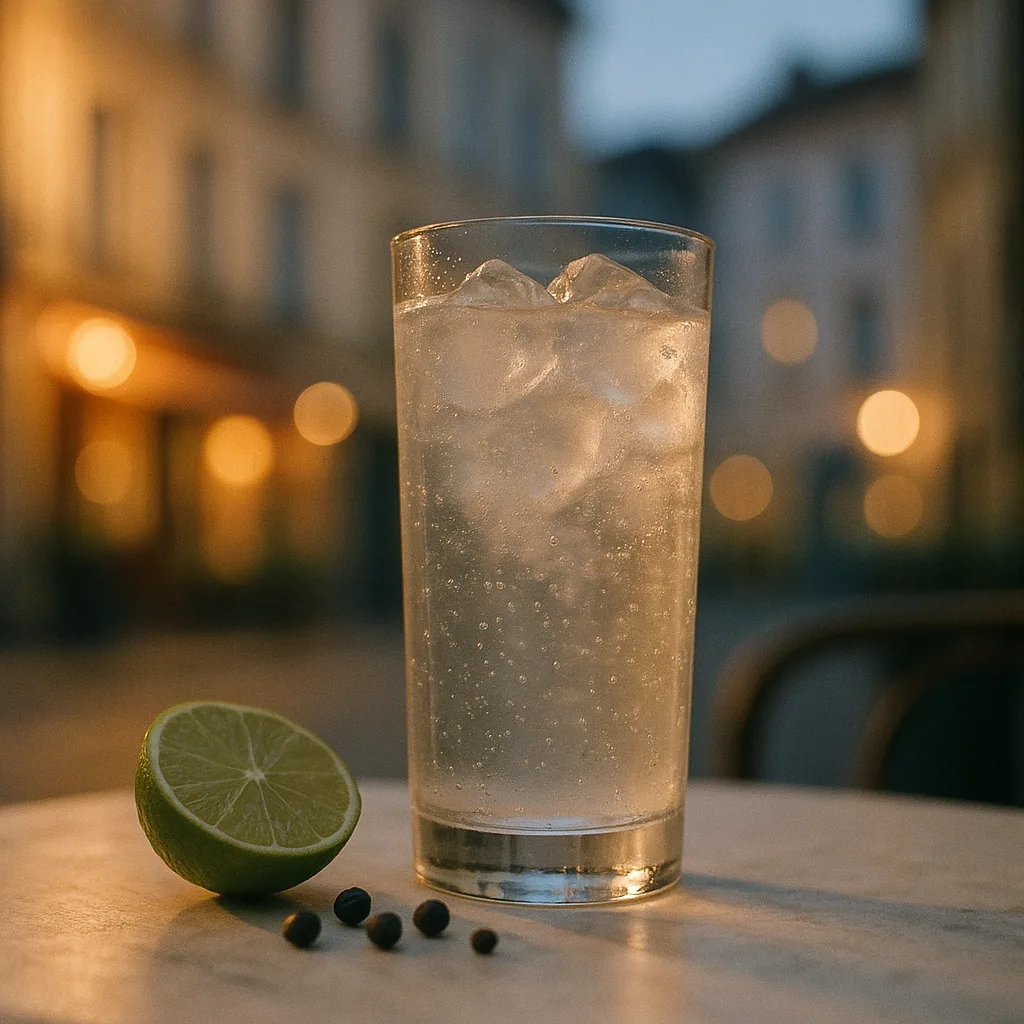
Gin & Tonic
Long, dry and bitter-edged, the tonic's quinine pulling against the gin's botanicals while the lime wedge sharpens both. Refreshing rather than contemplative. The gin has to hold its shape against all that dilution: juniper and citrus carry through, where delicate florals tend to vanish.
- 50 ml
- gin
- to top
- tonic water
- lime
Built over plenty of ice, topped with tonic, lime wedge.
The drink and how it got here
This one did not start as a drink. In India and the other tropical postings malaria was the standing problem for Europeans, and in the 18th century the Scottish doctor George Cleghorn worked out that quinine — long used to treat it — could also be taken to prevent it. Tonic water went on sale in 1858 and the British military bought it in quantity, mixed with lime against scurvy. The trouble was that at those doses it was bitter and genuinely unpleasant.
Gin was already there. Soldiers had been issued it as a steadying ration as far back as the Thirty Years' War, and officers in British India had one too. So they poured the ration into the medicine, with sugar, to make the medicine drinkable. Everything the drink is now — the length, the bitterness, the lime — began as a side effect of swallowing a dose.
What changed after that is not the recipe but the reason. The quinine came down to a trace, the tonic became a soft drink, and the thing that had been a way of not getting ill turned into the most ordered long drink in the English-speaking world. It is one of the few classics whose evolution is a change of purpose rather than of proportions.
The last move is recent and Spanish: a balloon glass filled to the top with ice instead of a small highball, on the argument that more ice melts more slowly and a wide bowl lets you actually smell the gin — with the garnish chosen for the botanicals in the bottle rather than a lime wedge by default. Whether that is better is a matter of taste. That it is a different drink to sit with is not.
The dose, made drinkable
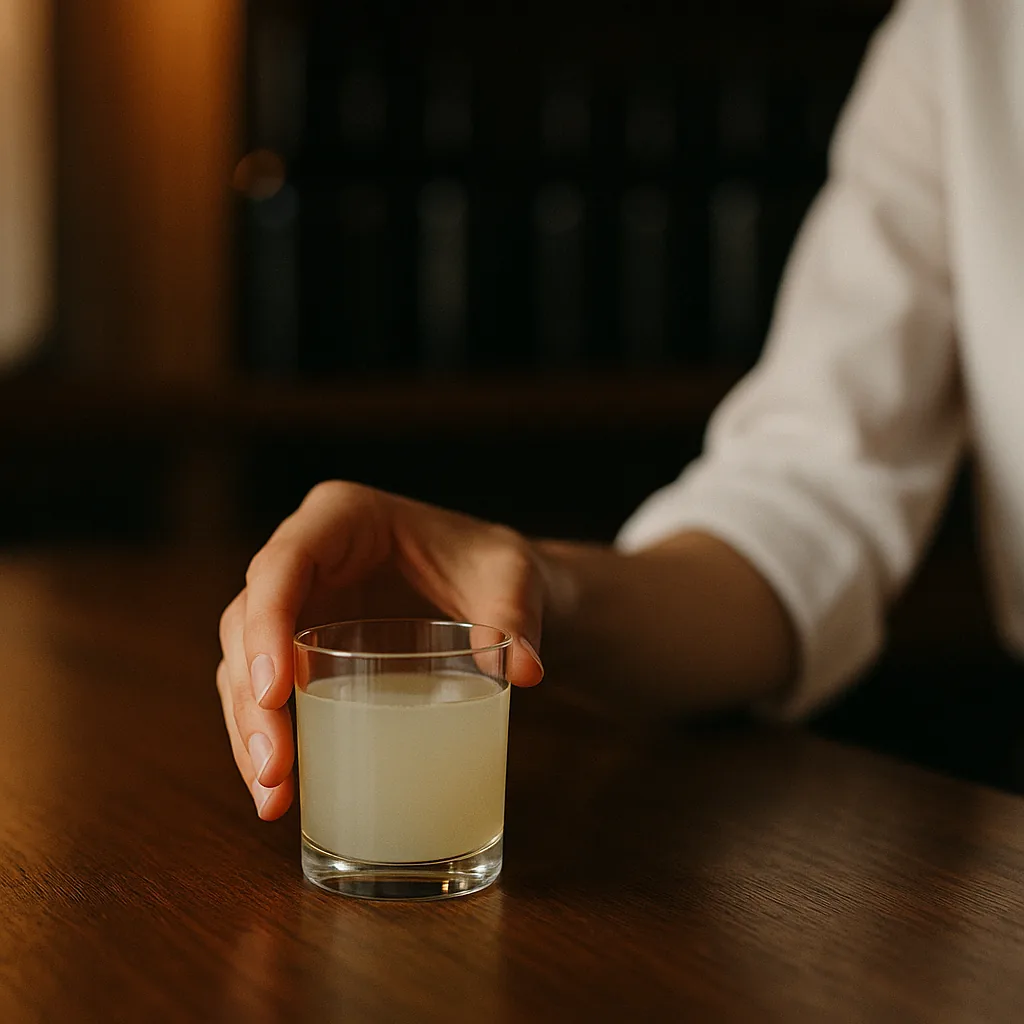
Start where they started: quinine tonic on its own. Bitter enough that the army had to fix the taste before anyone would take it.
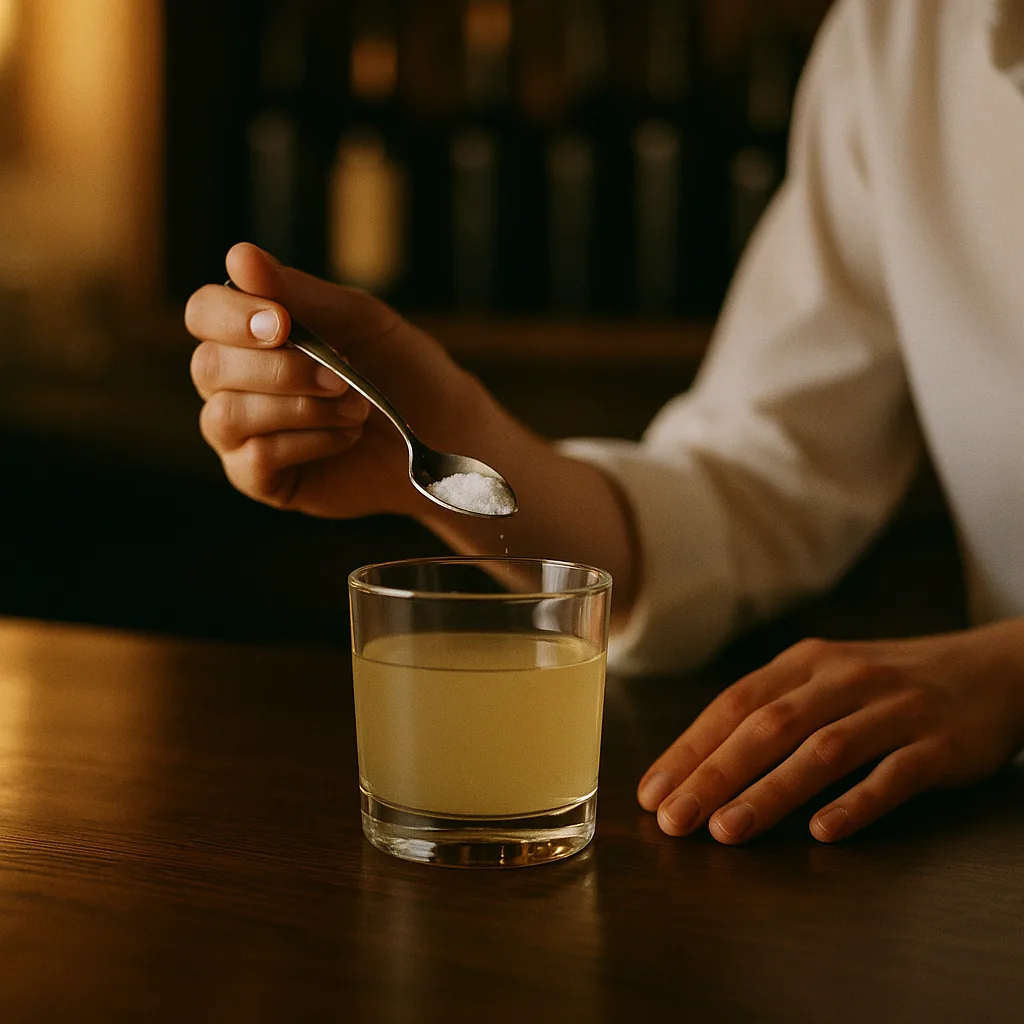
Sugar first. This is medicine being made swallowable, not a cocktail being built.
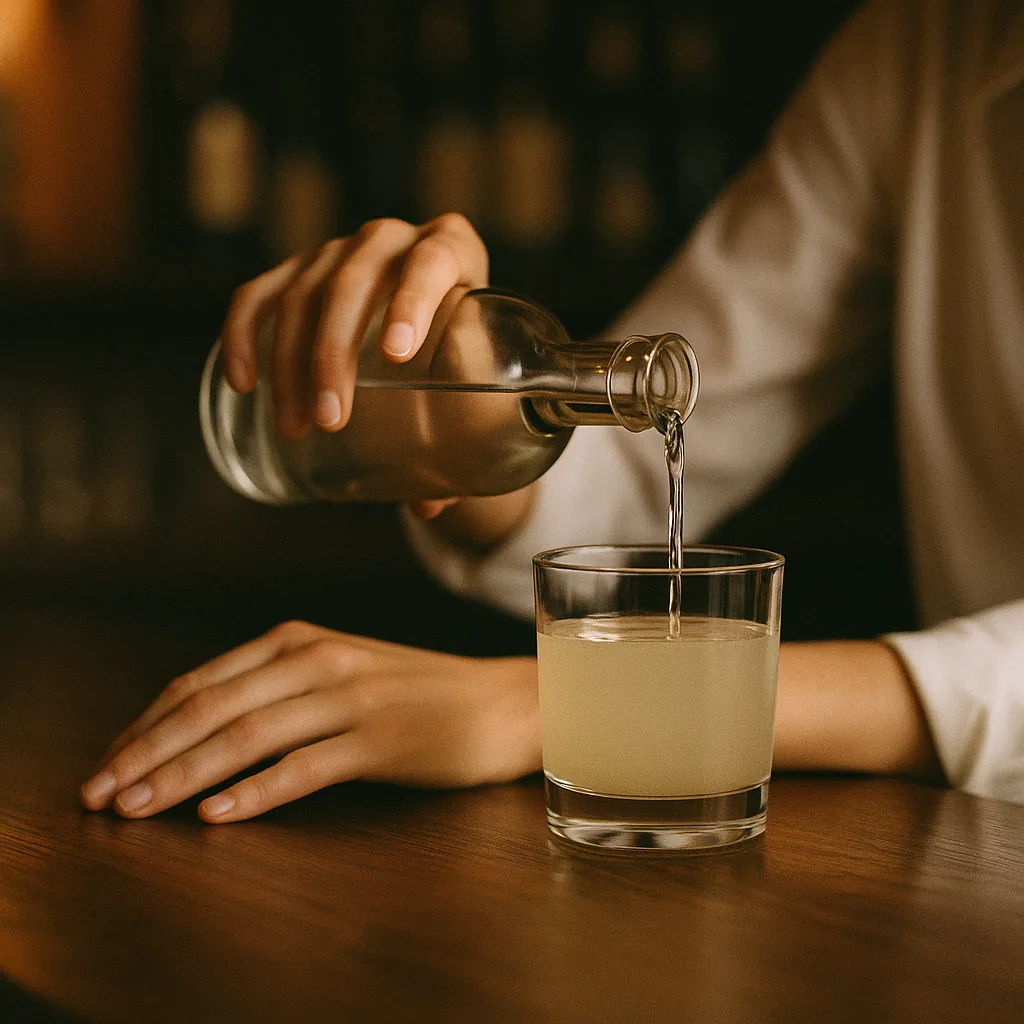
Then the gin ration, straight in. Officers had one anyway — this is the moment the two rations met.
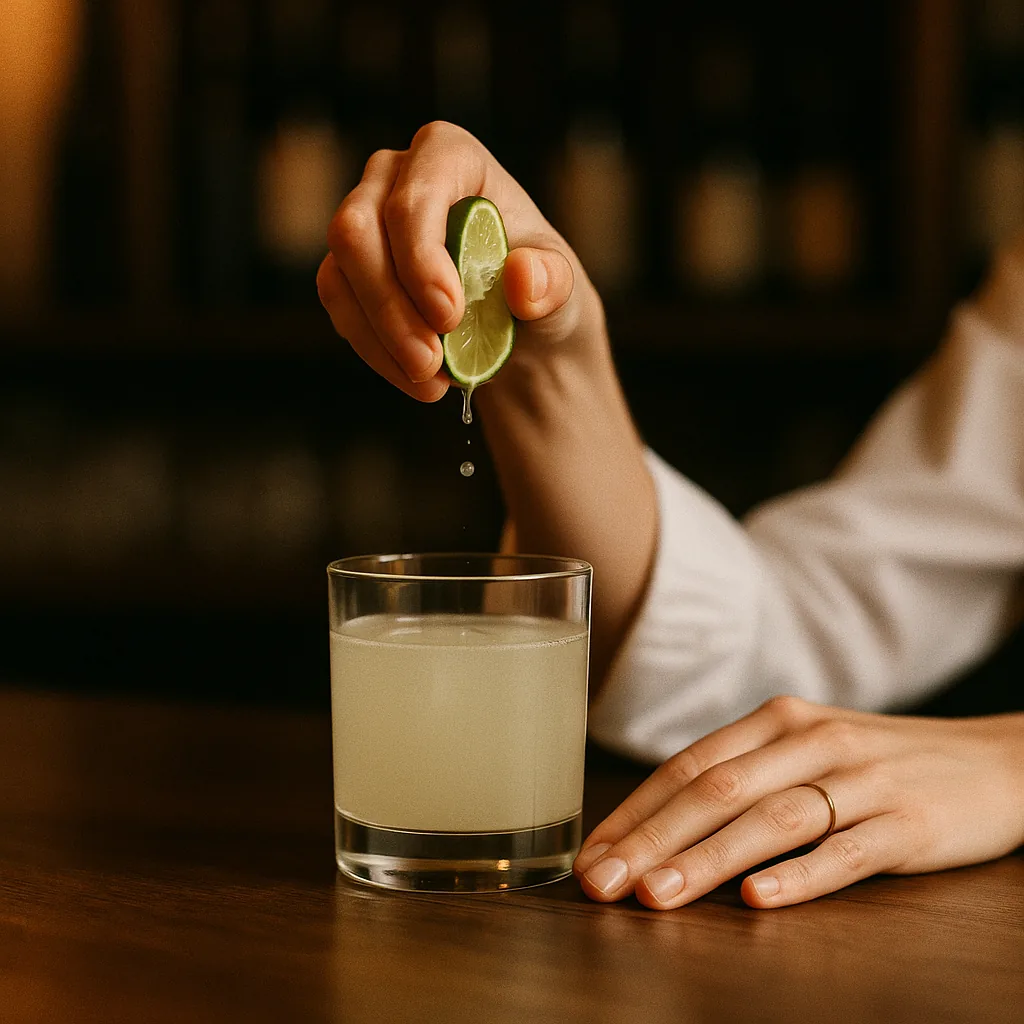
Lime, and not for flavour: it went in against scurvy. Everything this drink tastes of started out as a reason.
The long drink
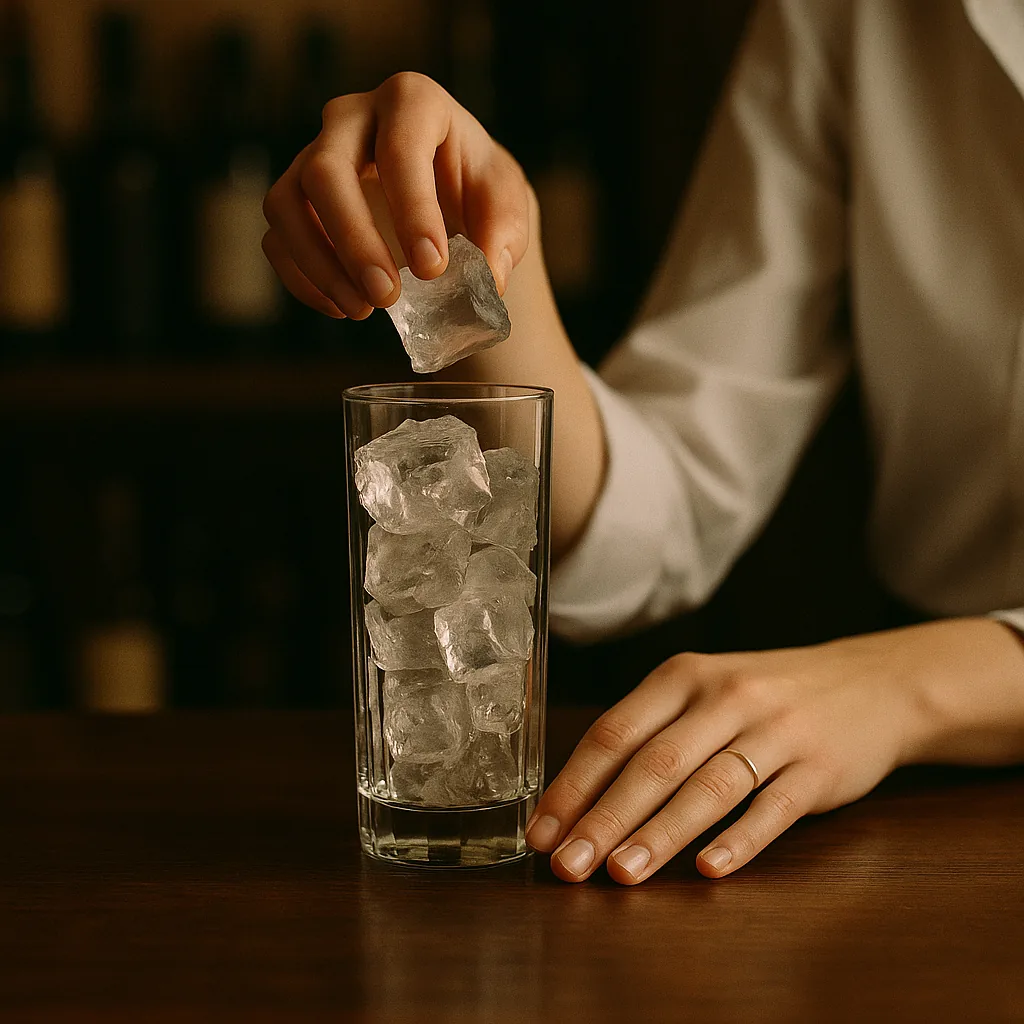
Fill it. A half-empty glass of ice melts faster than a full one, so more ice means less water in your drink, not more.
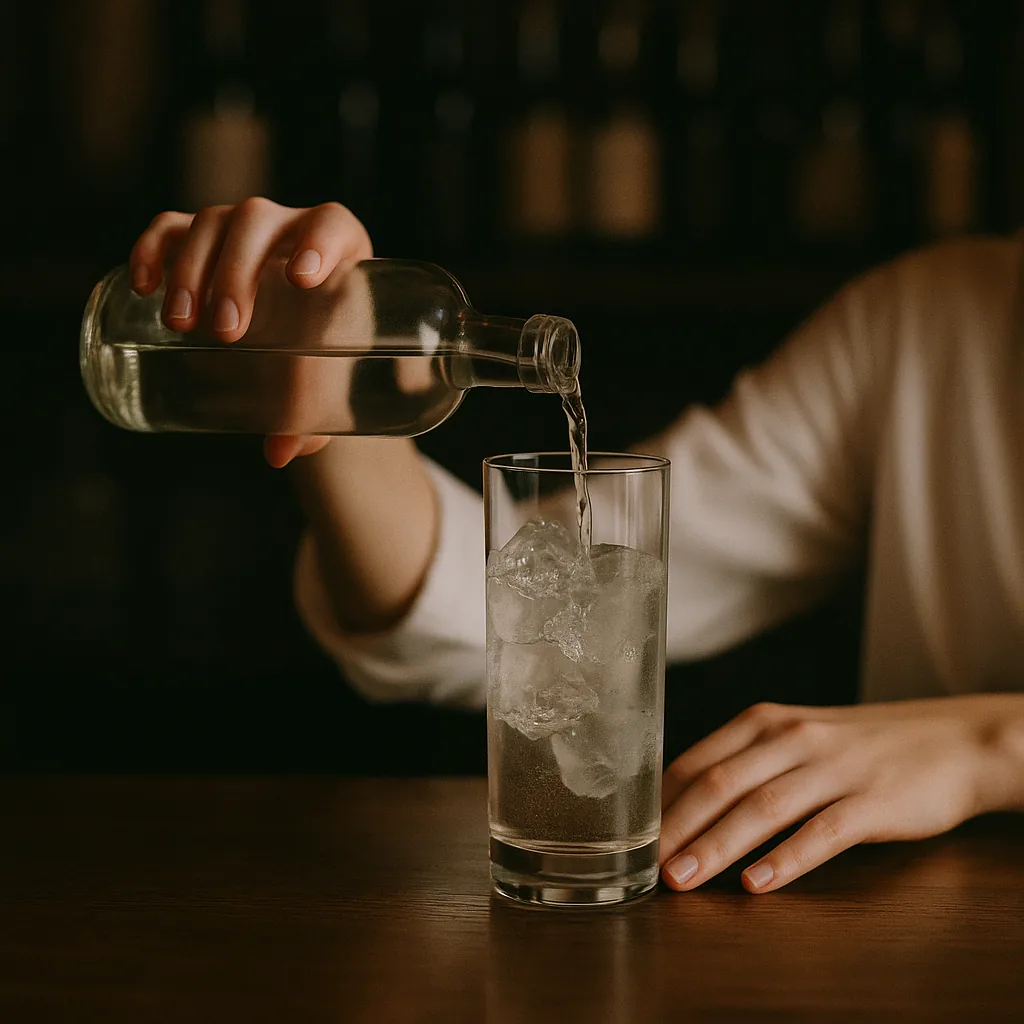
Fifty millilitres of gin, over the ice rather than under it. Cold from the first second.
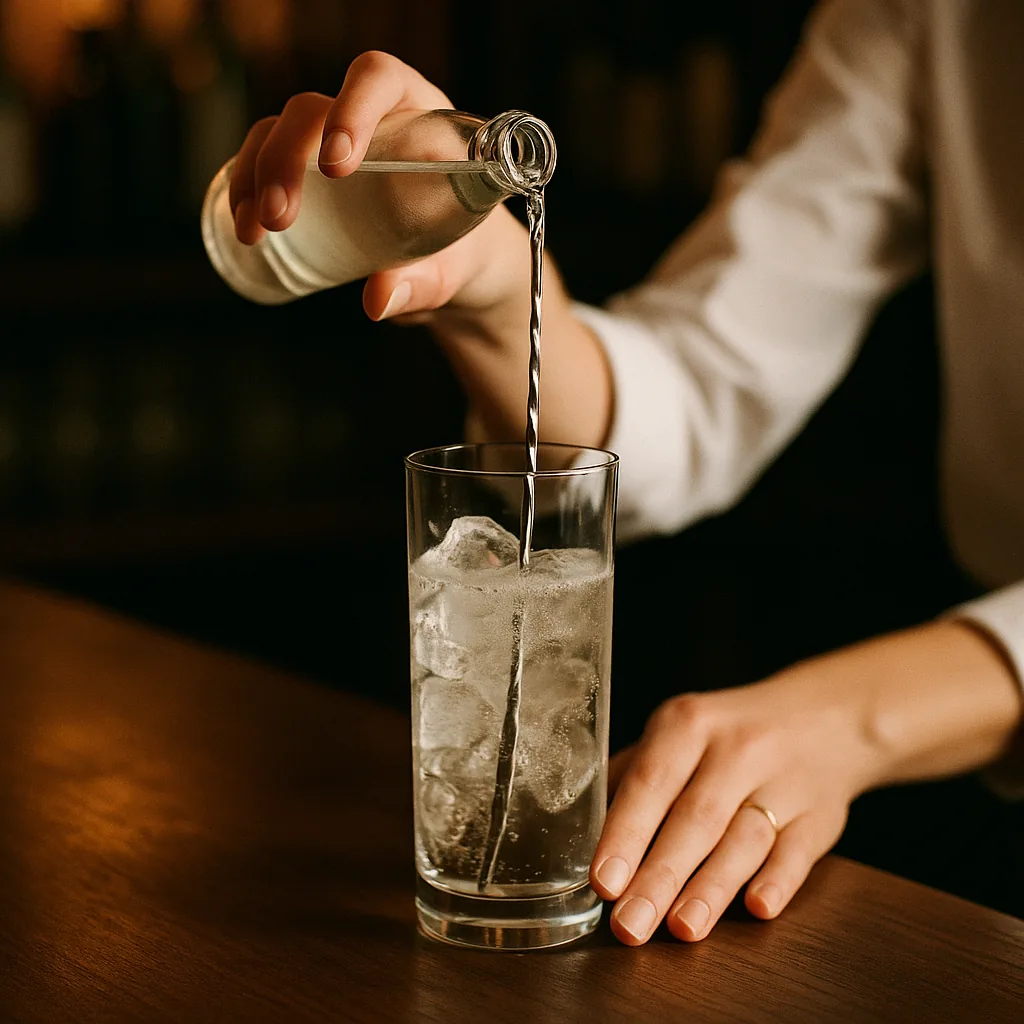
Pour the tonic down a bar spoon. Straight in knocks the bubbles out, and flat tonic is the most common way this drink is ruined.
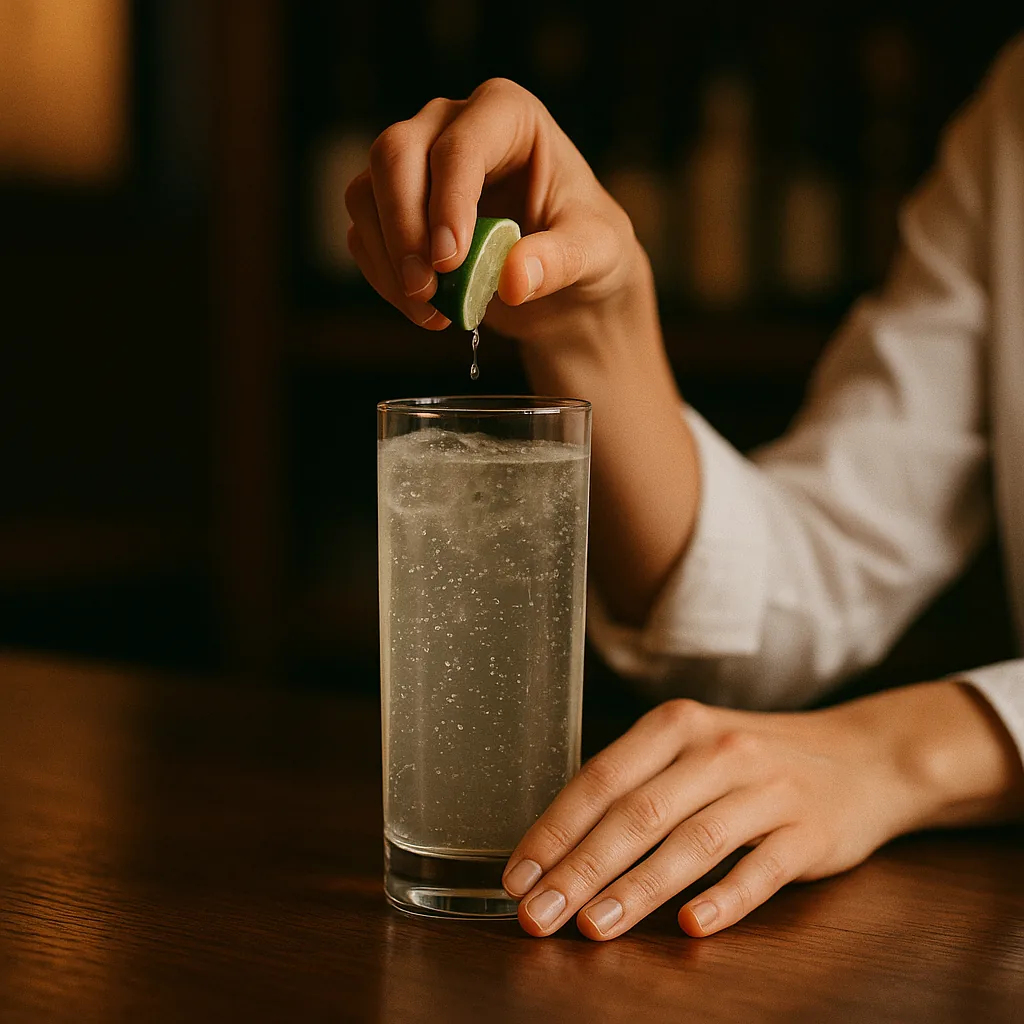
Squeeze the lime before it goes in. Sitting in the glass it is a decoration; squeezed, it is an ingredient.
The Spanish copa
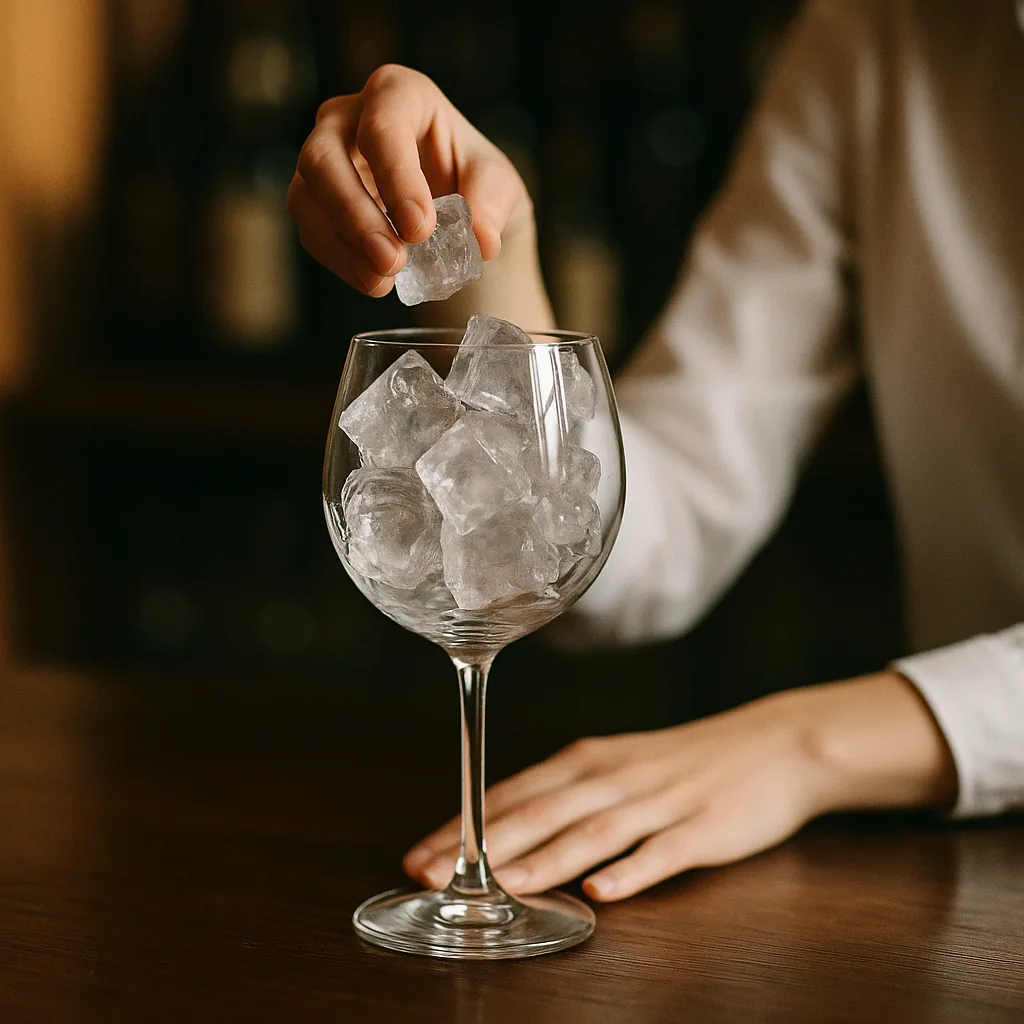
A copa, filled past what looks sensible. The wide bowl is the point — it holds the smell of the gin instead of losing it.
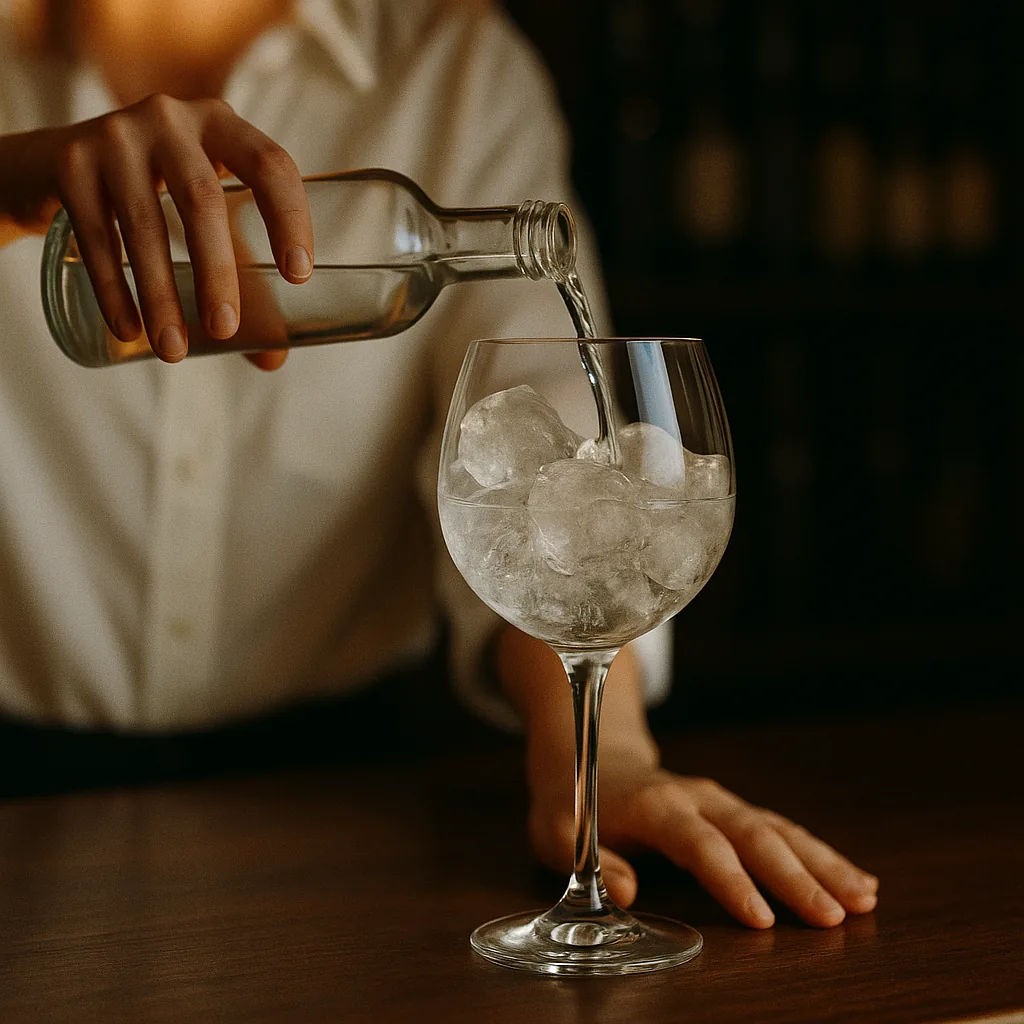
The same measure of gin. Nothing in the recipe changed here — only the glass, and what it lets you notice.
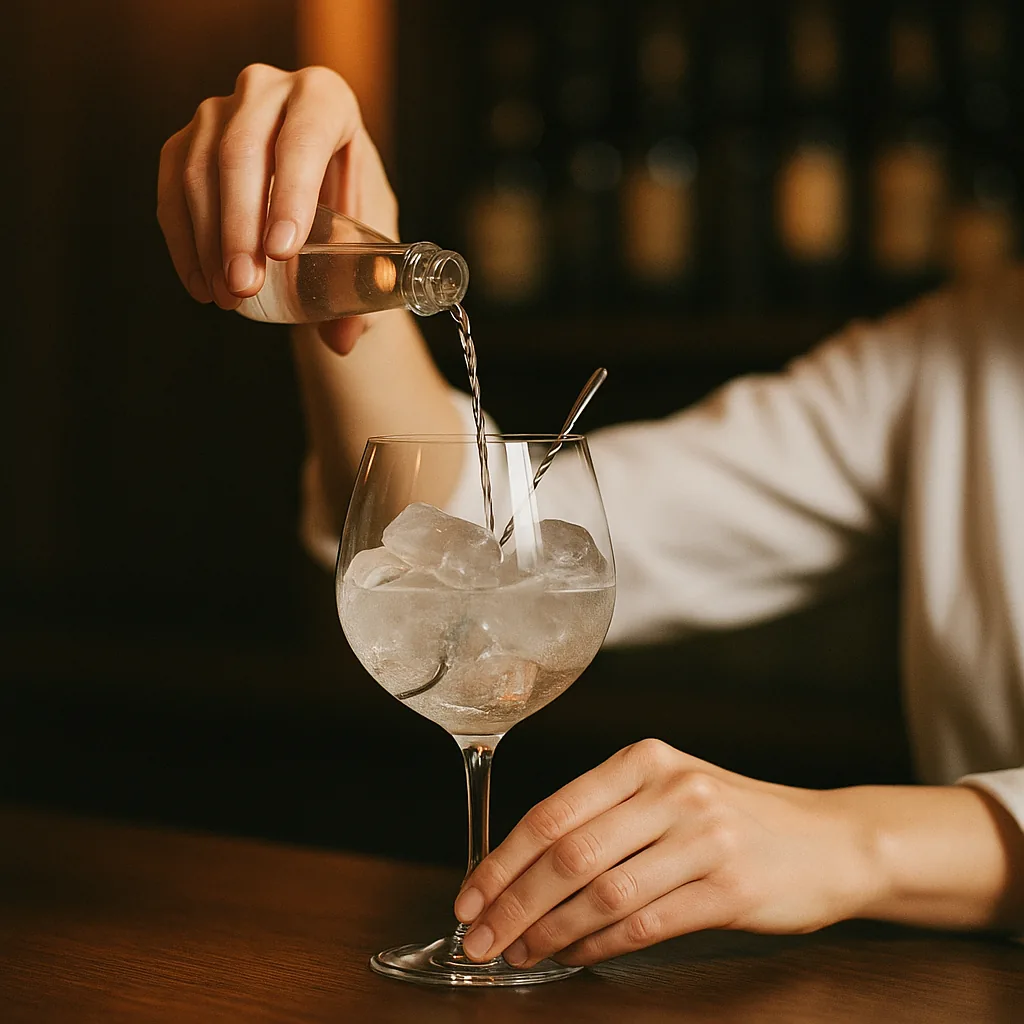
Tonic down the spoon again, slowly. Same rule, bigger glass.
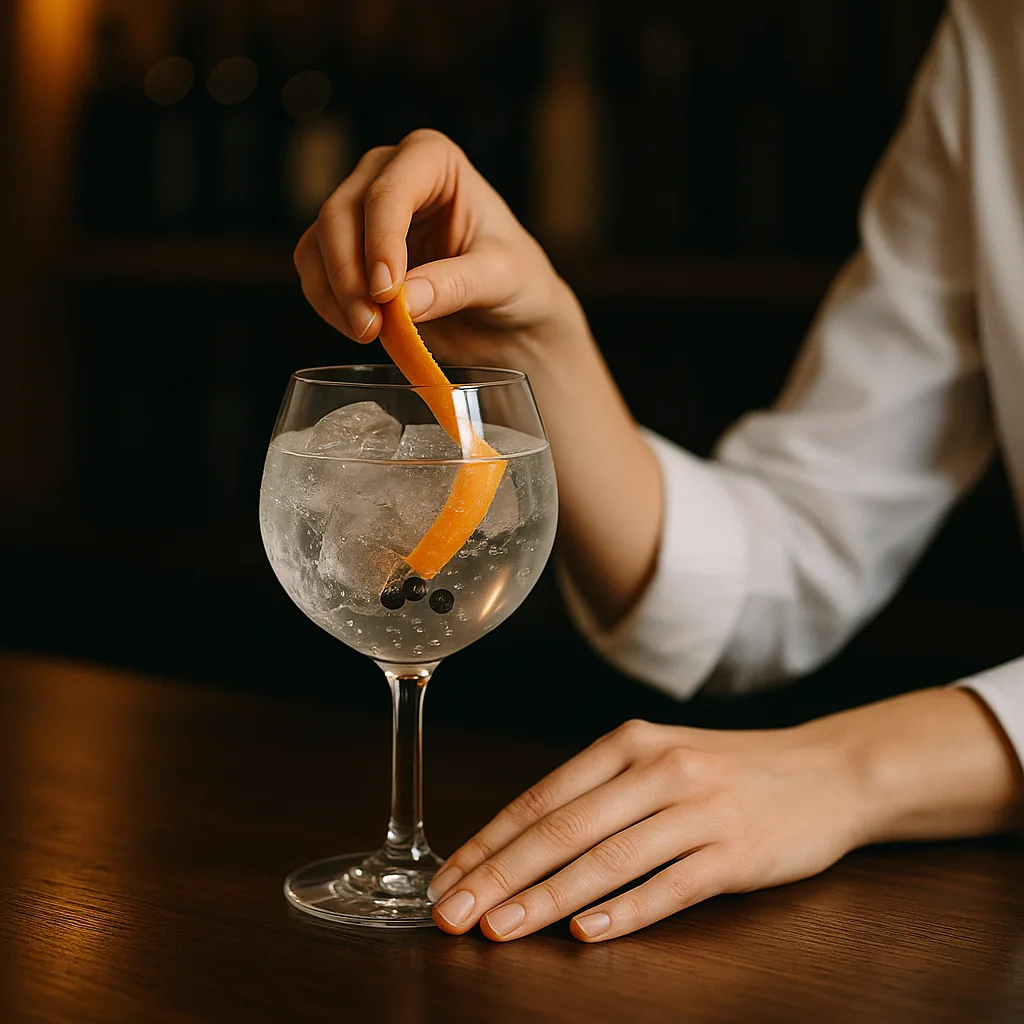
Garnish for the gin in front of you, not for the drink in general — citrus peel for a citrus-forward one, juniper for a juniper-forward one. That is the whole Spanish argument.
From the collection — 6 bottles
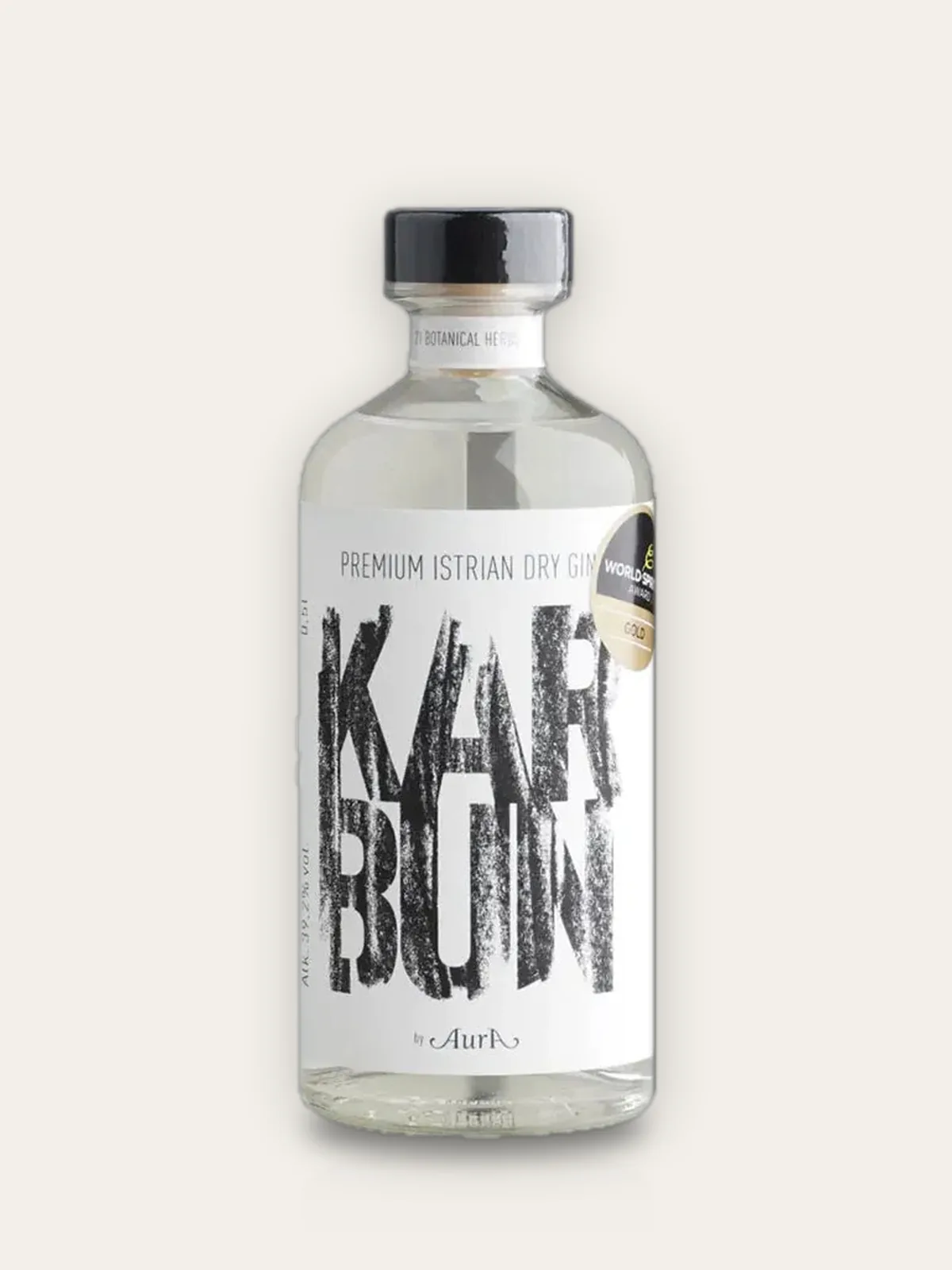
Aura
Karbun Premium Istrian Dry Gin
At 39.2% this Istrian dry gin is too gentle to hold its shape in a Martini or Negroni; a long glass and a dry tonic let its juniper and herbal side carry.
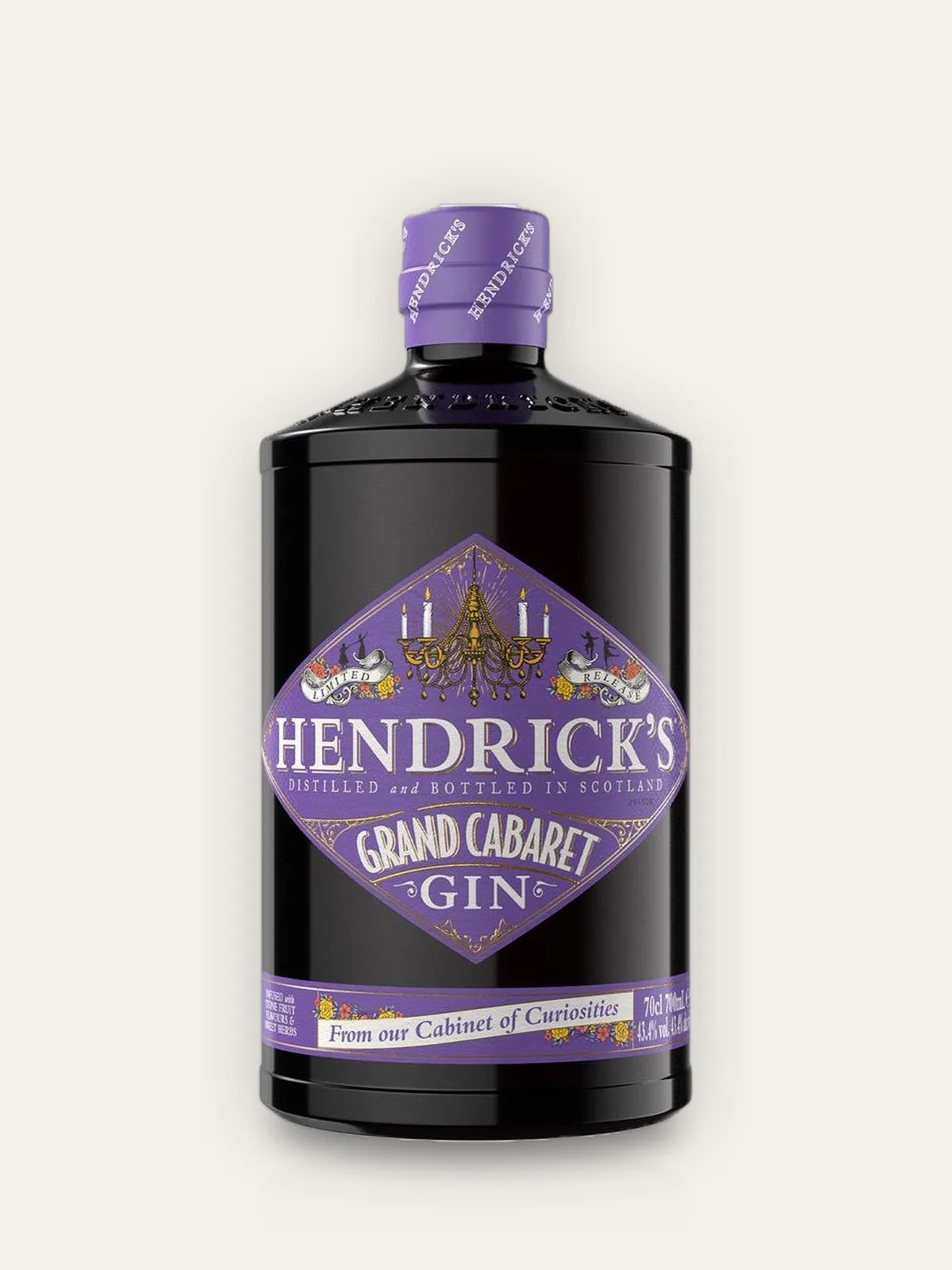
Hendrick's
Grand Cabaret
Hendrick's cucumber-and-rose signature needs length and bubbles to open out, and Grand Cabaret's extra couple of degrees keeps it from thinning in a full highball.
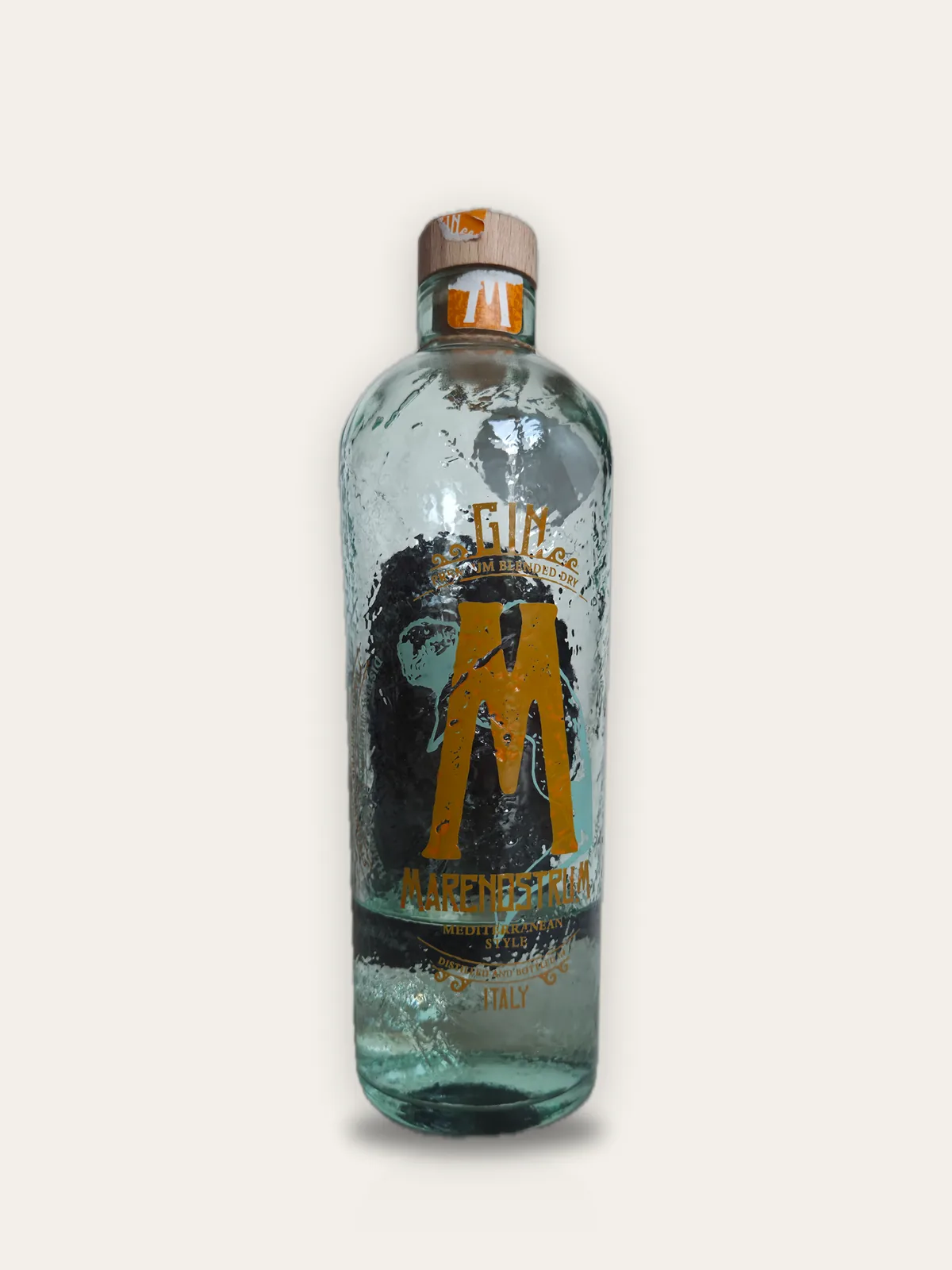
Marenostrum
Mediterranean Style Gin
The herbal, citrus-peel Mediterranean style has more to say over ice and tonic than it does buried under vermouth or bitters.
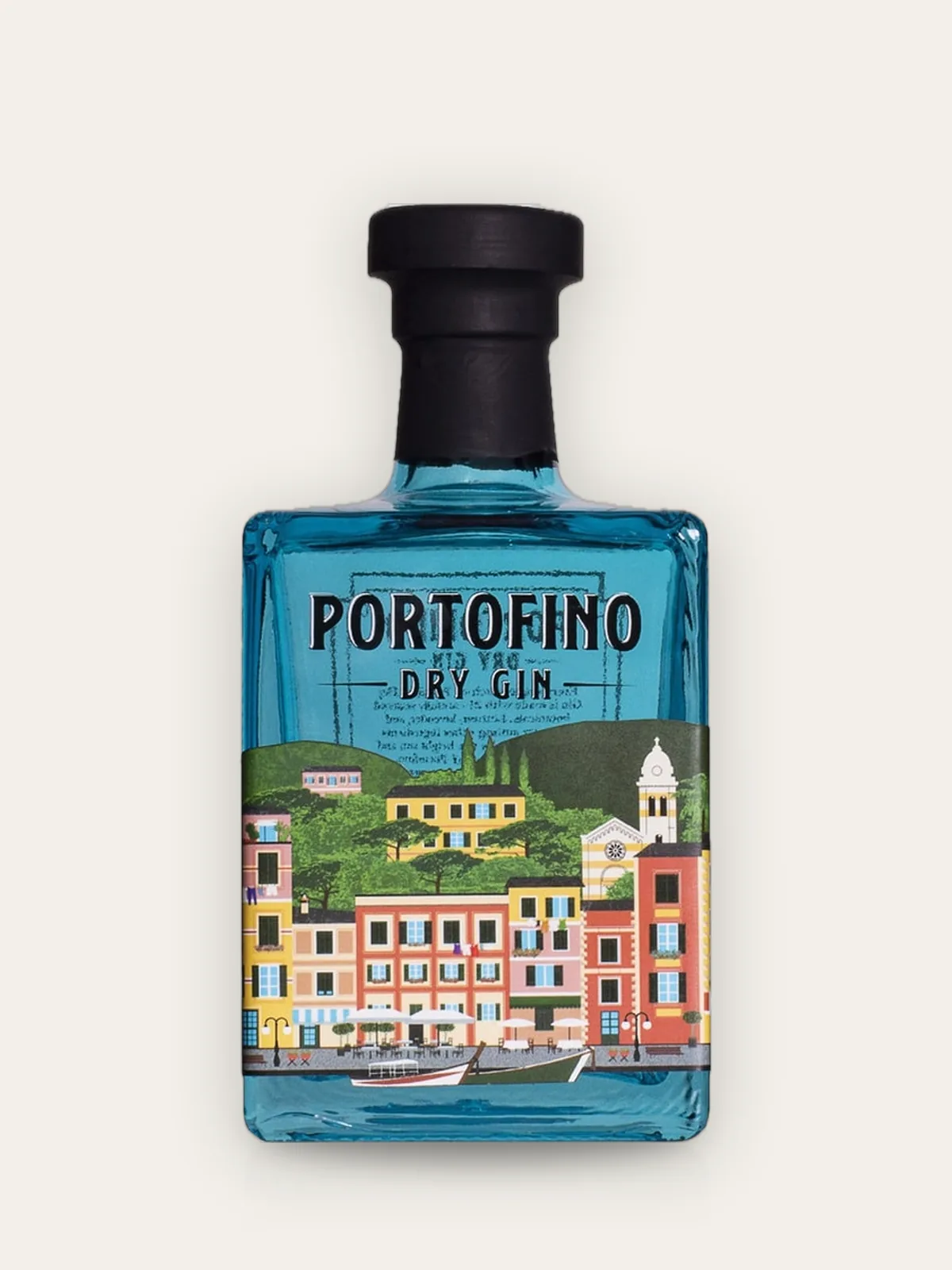
Portofino
Dry Gin
At 40% this Portofino dry gin is gentle enough that a long pour keeps its juniper legible instead of drowning it.
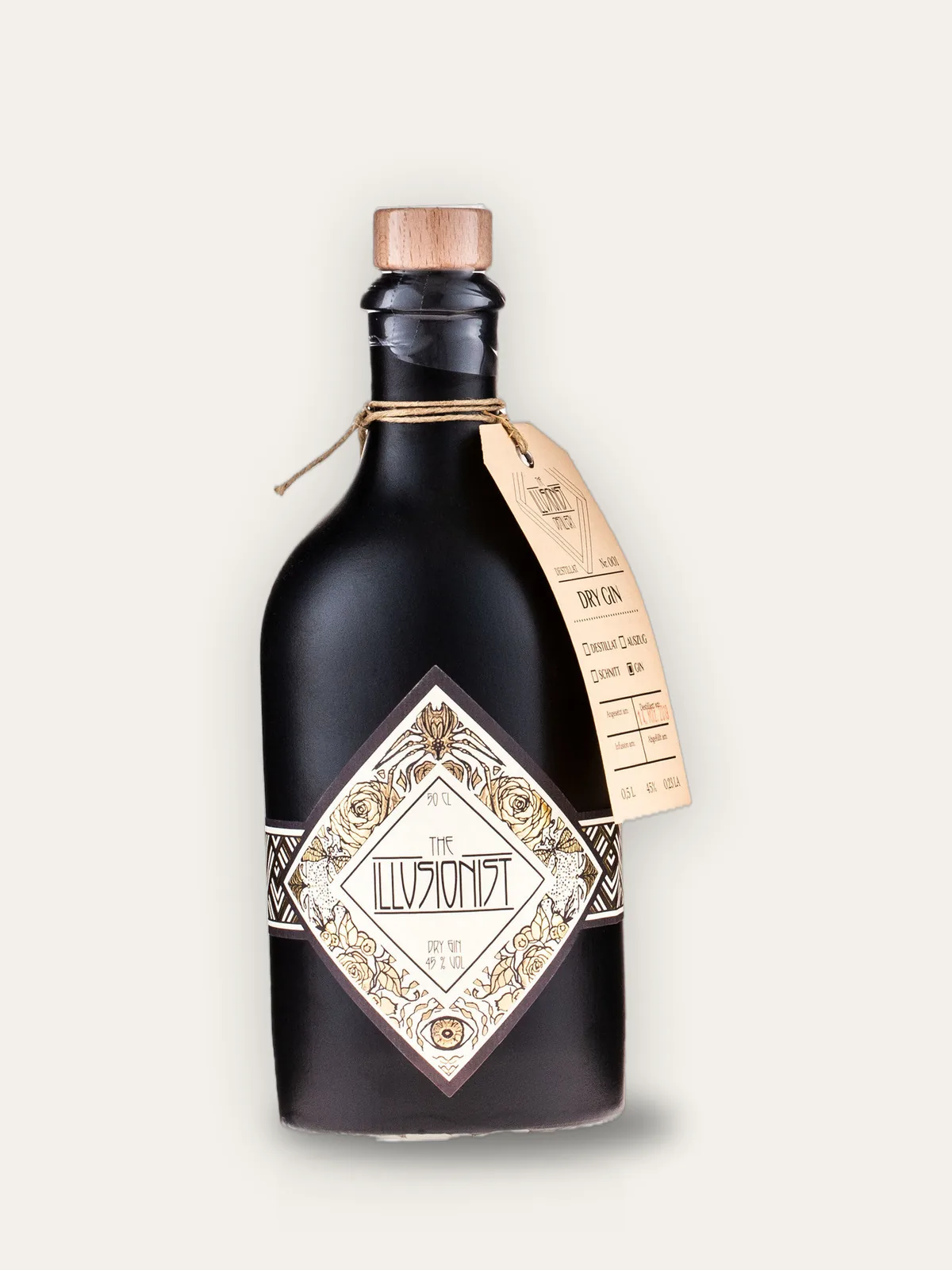
The Illusionist
Dry Gin
The three citrus botanicals and 45% ABV carry through a long tonic pour, while rosemary and lemongrass give the glass something savoury to chew on.
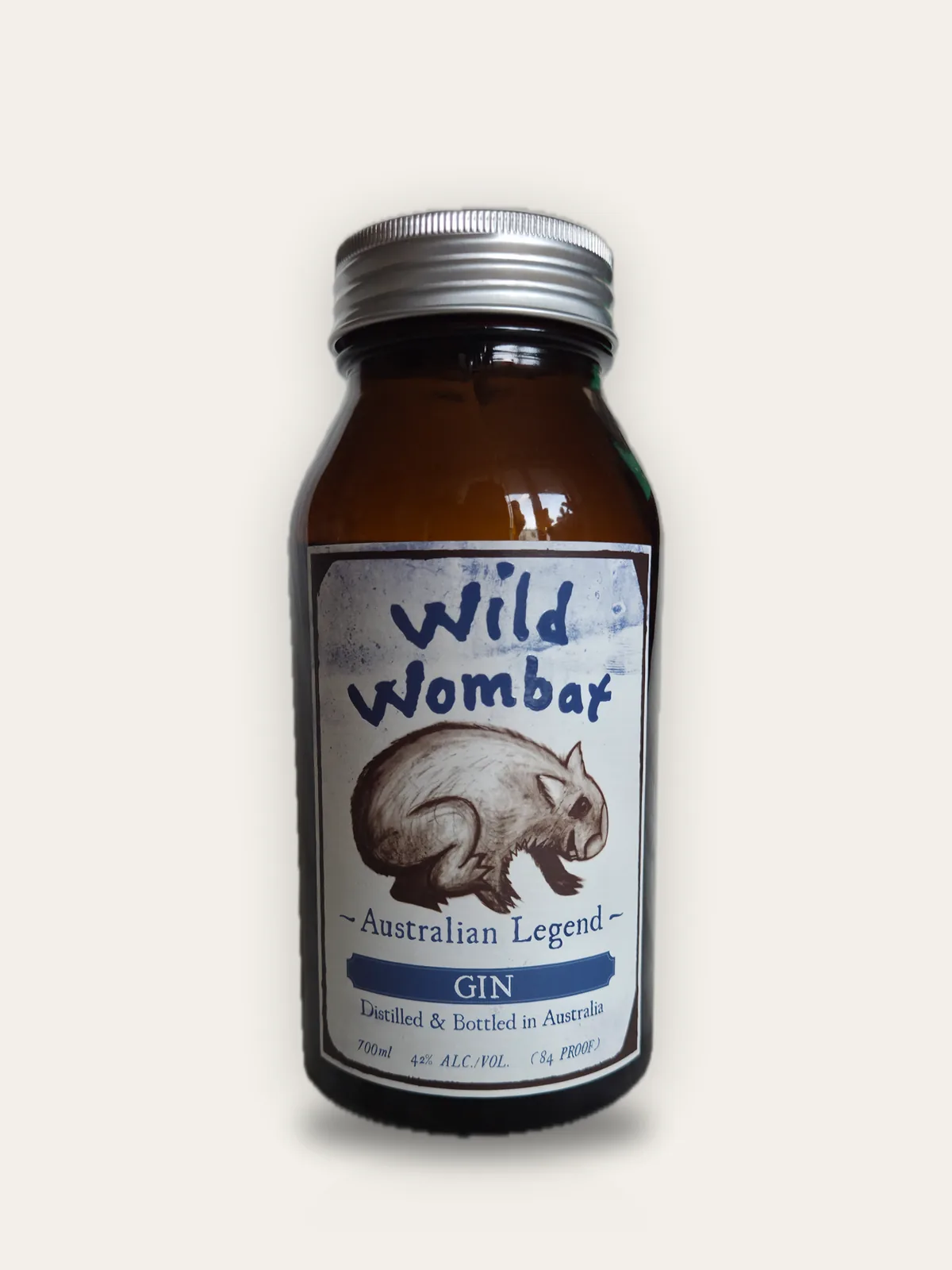
Wild Wombat
Australian Legend Gin
An Australian gin named Wild Wombat is a hot-afternoon gin, not a sipping curiosity — its dry, peppery juniper is what a long G&T is for.