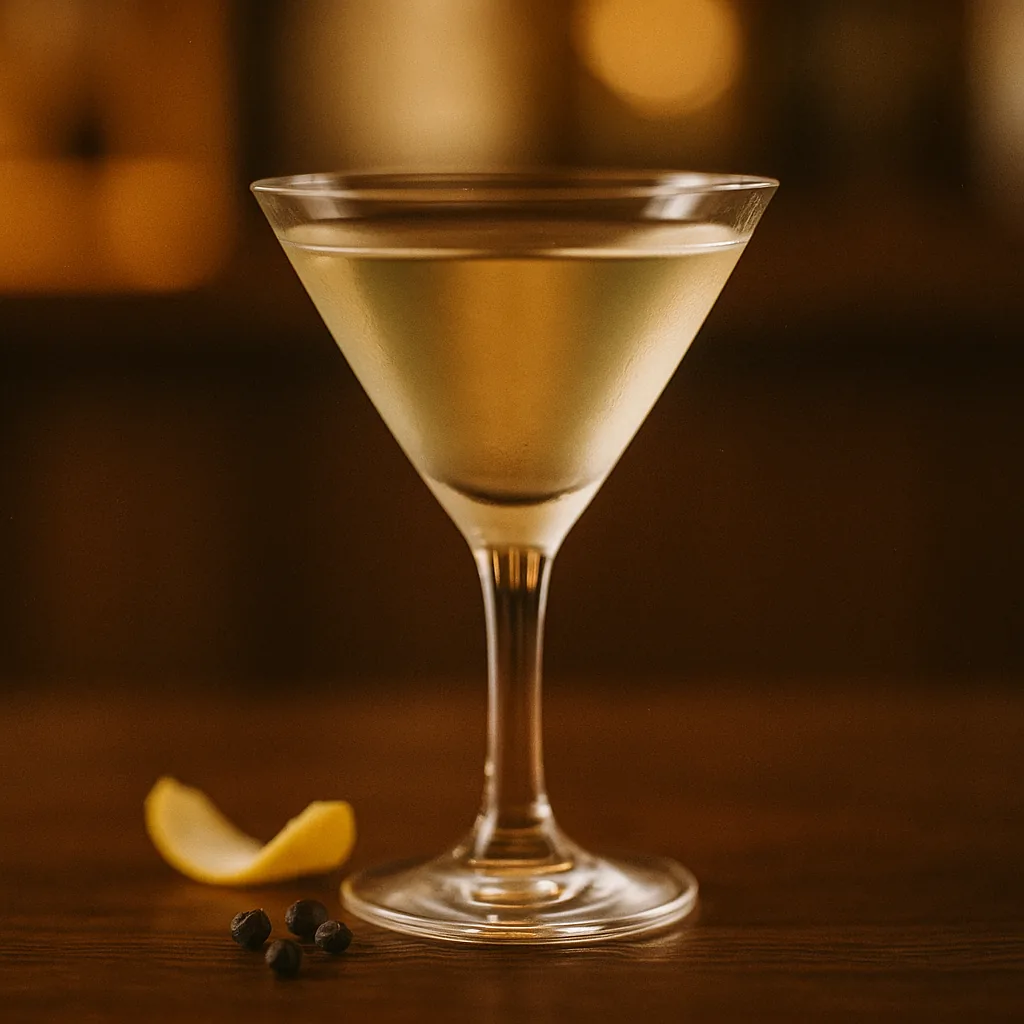
Martini
Cold, dry and close to neat spirit — the vermouth adds weight and a faint bitterness rather than much flavour of its own. The gin has nowhere to hide: juniper needs backbone here, and any softness in the botanicals shows up whole. Lemon oil sharpens the first sip and keeps it from going flat.
- 60 ml
- gin
- 10 ml
- dry vermouth
- lemon
Stirred cold with dry vermouth, strained, lemon twist.
The drink and how it got here
Nobody can say where it came from, and the honest version of the story is a list of claims rather than an answer. The name may simply be the vermouth brand. It may come from the Martinez, a drink served in the early 1860s at the Occidental Hotel in San Francisco, where people drank before catching the evening ferry to the town of Martinez, California — whose residents say their own bartender invented it. What is documented is later: a Martinez Cocktail appears in Jerry Thomas's 1887 Bartender's Guide, made with Old Tom gin, sweet vermouth, maraschino and bitters, shaken, with a slice of lemon.
The drink that carried the name at first would be sent back today. Harry Johnson's Bartenders' Manual of 1888 gives a Martini Cocktail as half a wine glass of Old Tom gin and half a wine glass of vermouth, with gum syrup and bitters — sweetened, and half of it vermouth. Old Tom gin is itself sweet. Nothing about it is the cold dry thing the word now means.
The first dry martini is sometimes credited to a bartender at the Knickerbocker Hotel in New York, in 1911 or 1912. Then Prohibition did more for it than any bartender: gin was the easiest spirit to make illegally, so between 1920 and 1933 the martini became the drink Americans actually had. When repeal brought good gin back, it did not go back to being sweet. It went the other way.
From there the whole history is one number. Two parts gin to one vermouth by 1922; three to one in the 1930s; four to one in the 1940s; five or six to one by the end of the century, with the stubborn going to eight, twelve, and the fifteen-to-one called a Montgomery. The procedure barely moved — ice, stir, strain, cold glass. The recipe moved the entire way. So the three guides below are three points on one line, not three ways of doing the same thing.
Half and half, sweetened
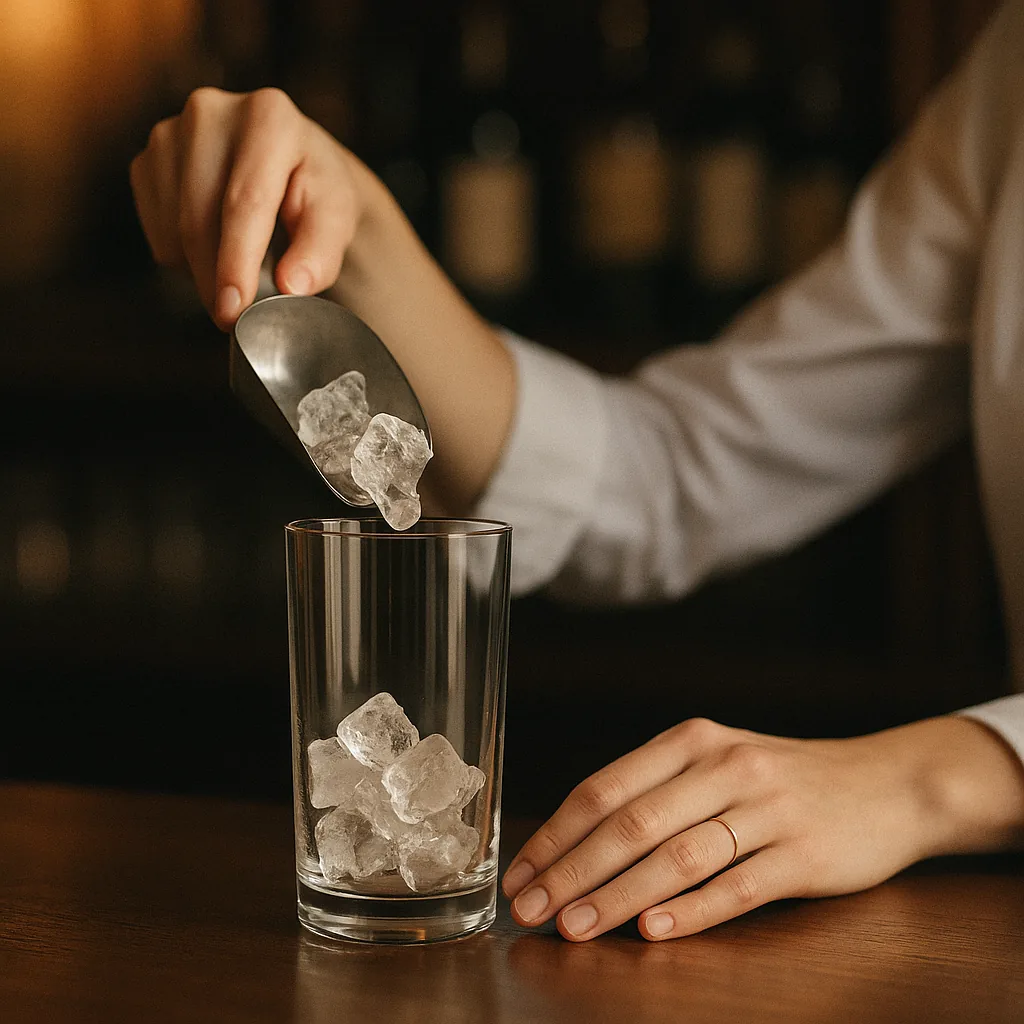
Ice first, and plenty of it. Everything after this is about getting cold without getting watery.
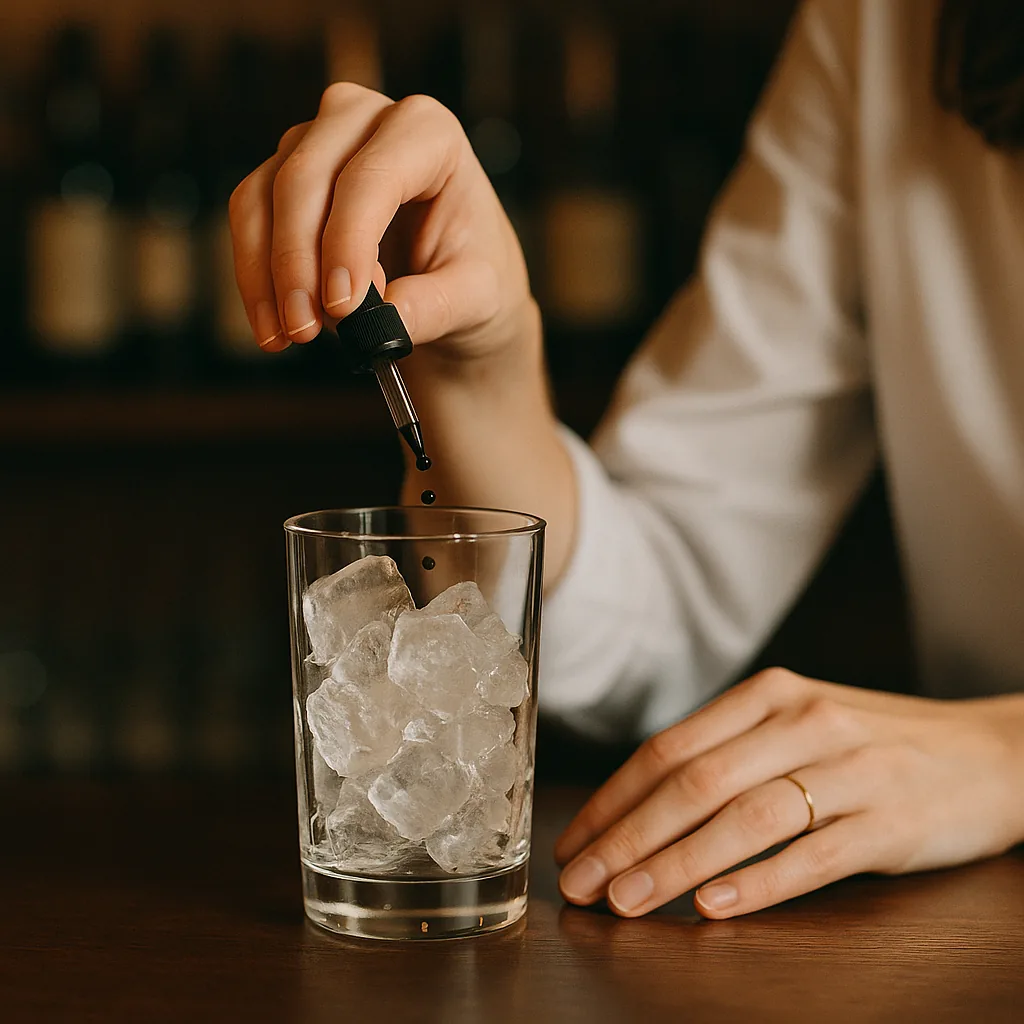
Gum syrup and bitters. This is where it starts sounding wrong — but in 1888 a martini was a sweet drink, and this is why.
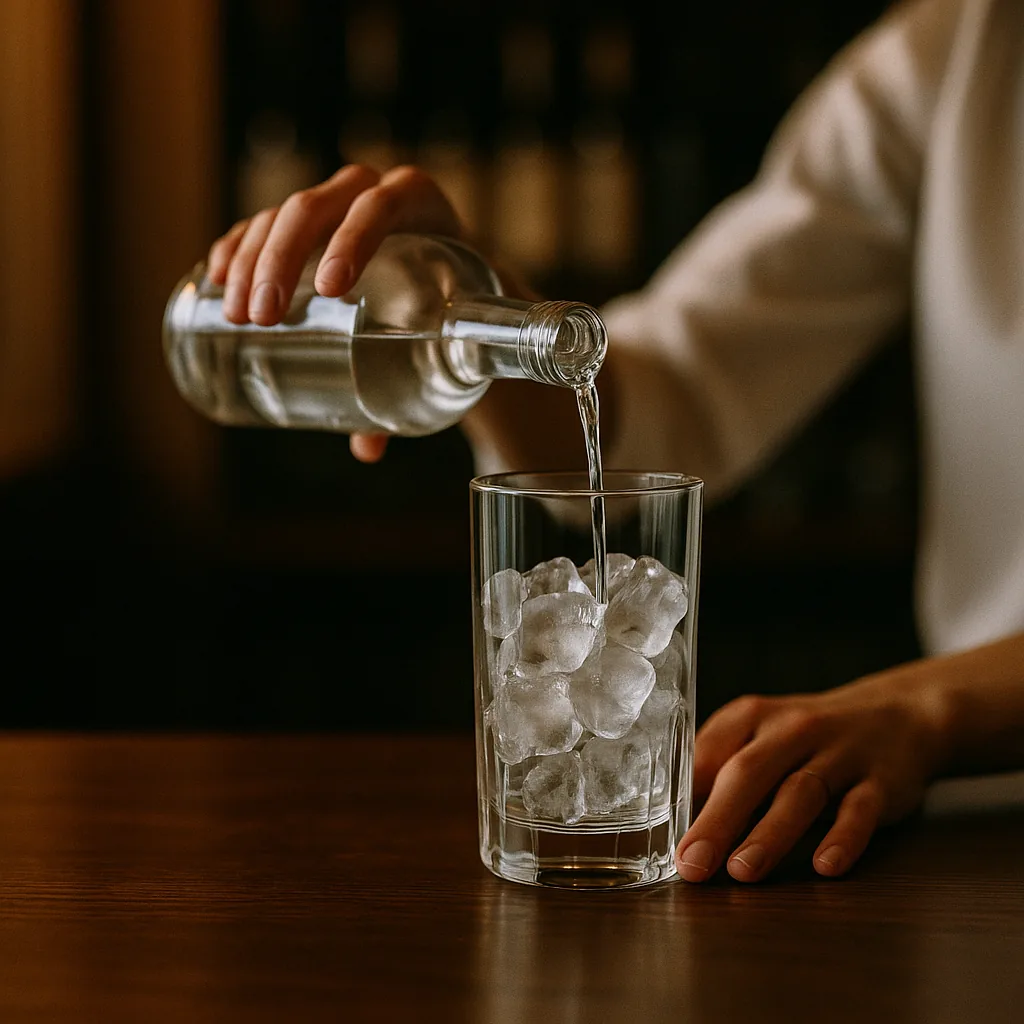
Old Tom gin, half. It is a sweeter gin than a London Dry — the sugar in this drink is not only the syrup.
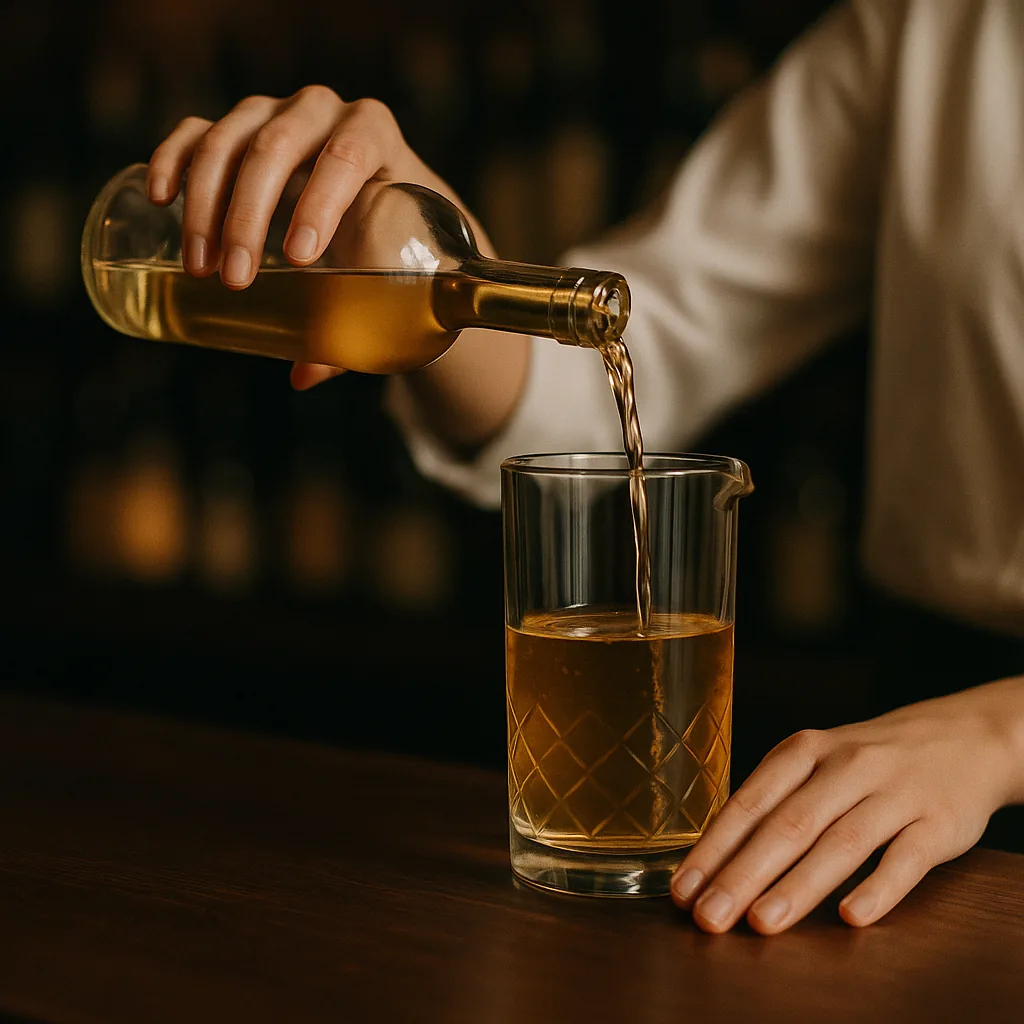
Vermouth, the same again. Equal parts — half this glass is vermouth, and that is the part people find hardest to believe.
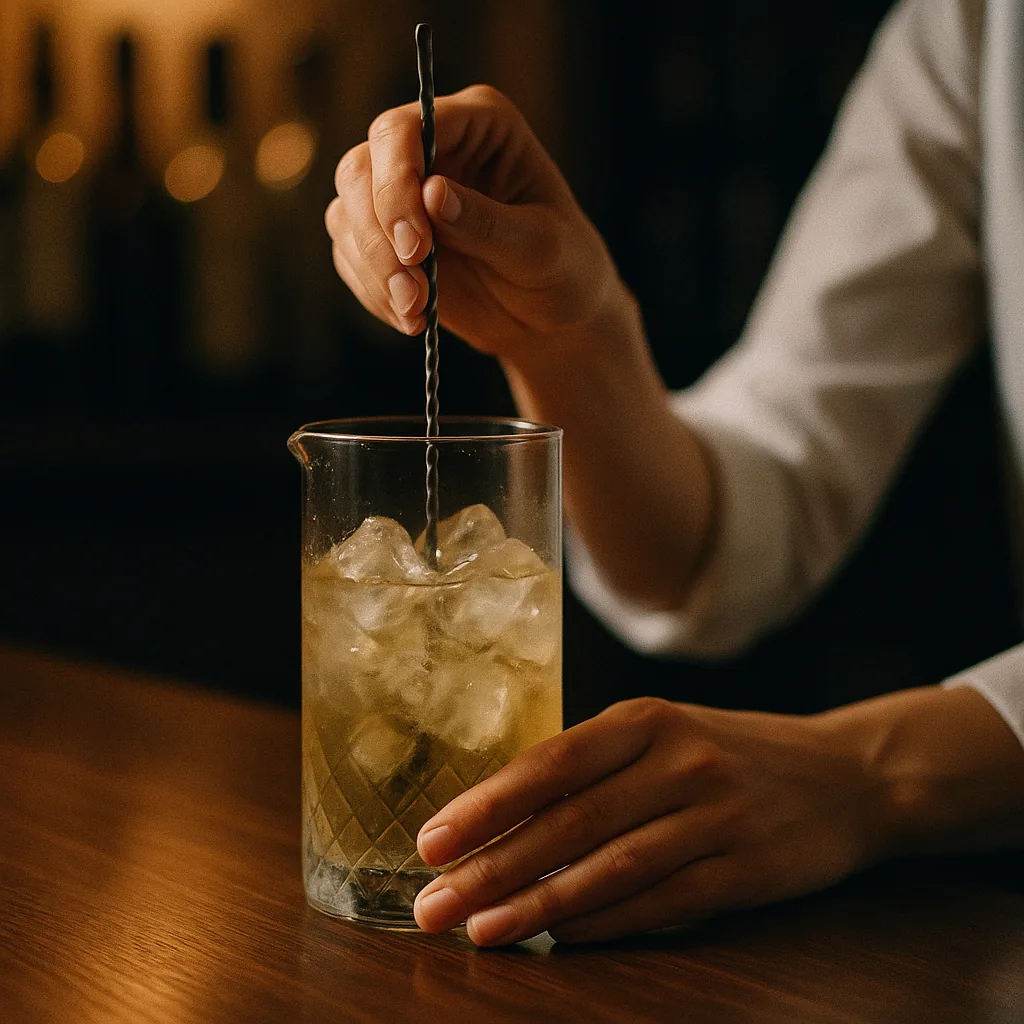
Stir it cold, then strain it into a small glass. Sweet, aromatic, closer to a Manhattan than to anything you would be handed today.
Two to one
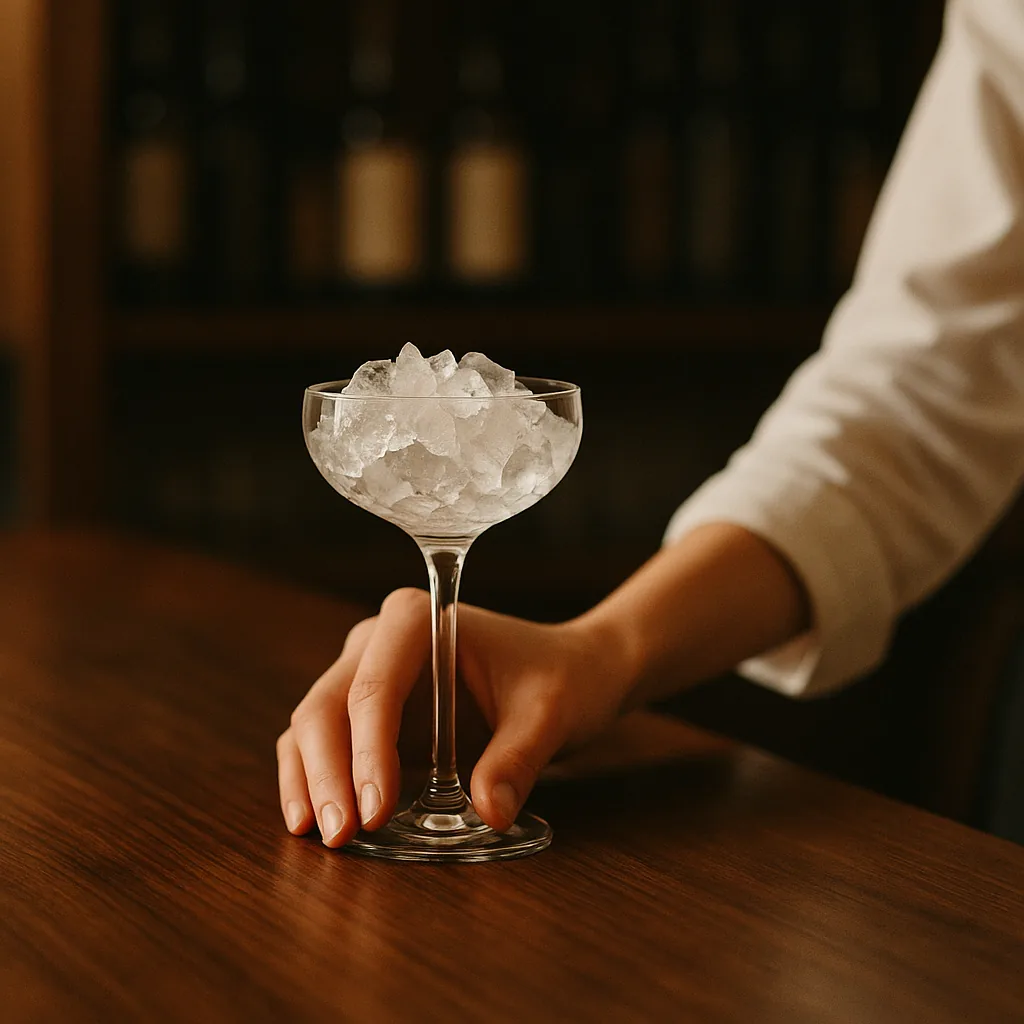
Chill the glass first. It is served with no ice in it, so the glass is the only thing keeping it cold at the table.
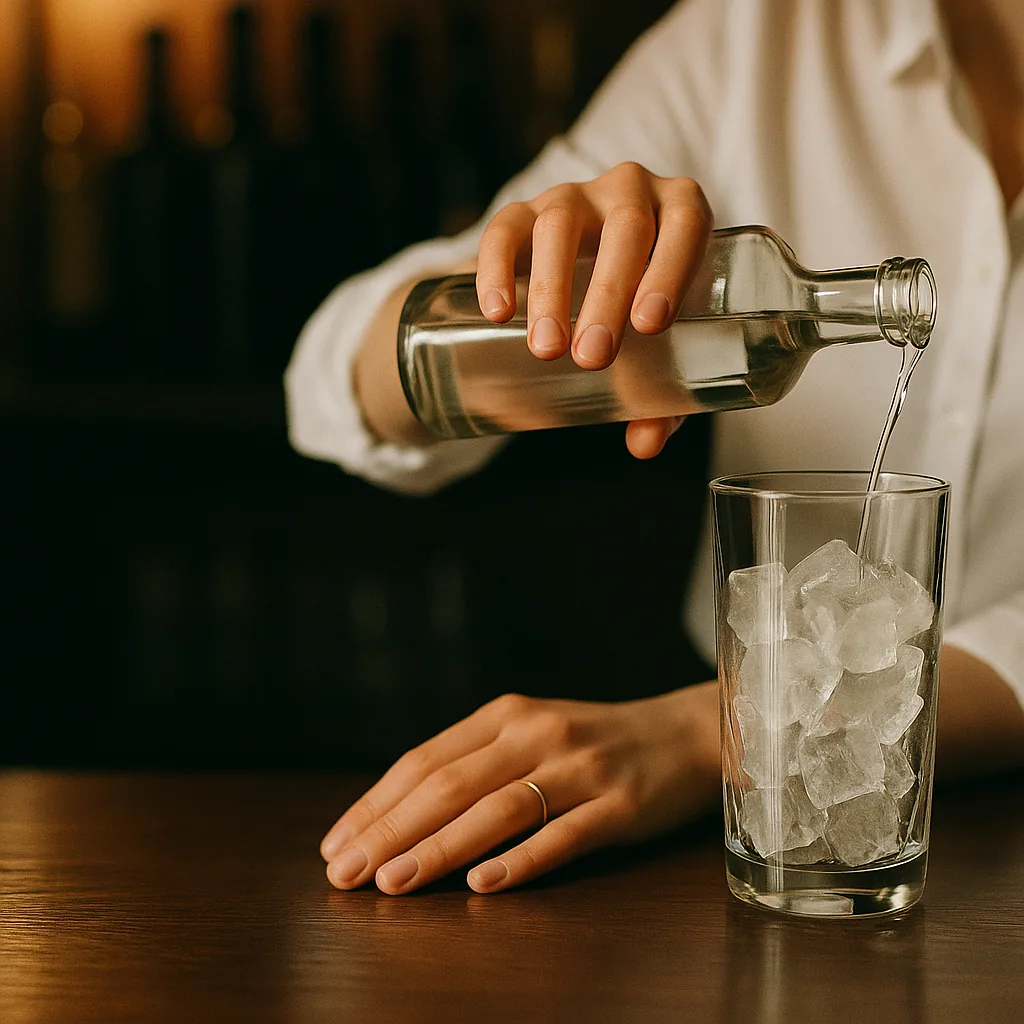
London Dry now, not Old Tom. Two parts — the gin has stopped being one ingredient among several and become the drink.
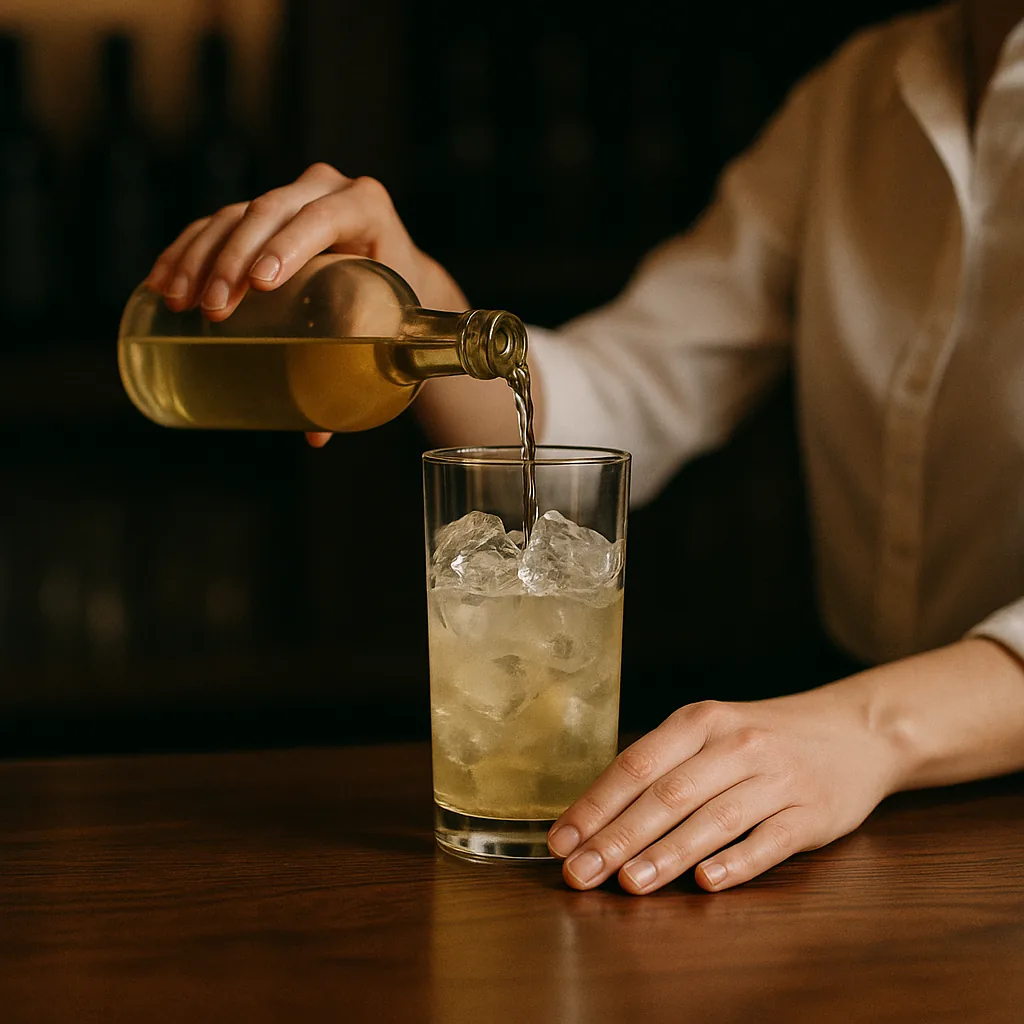
Dry vermouth, one part. Thirty years earlier this was half the glass. It will keep shrinking.
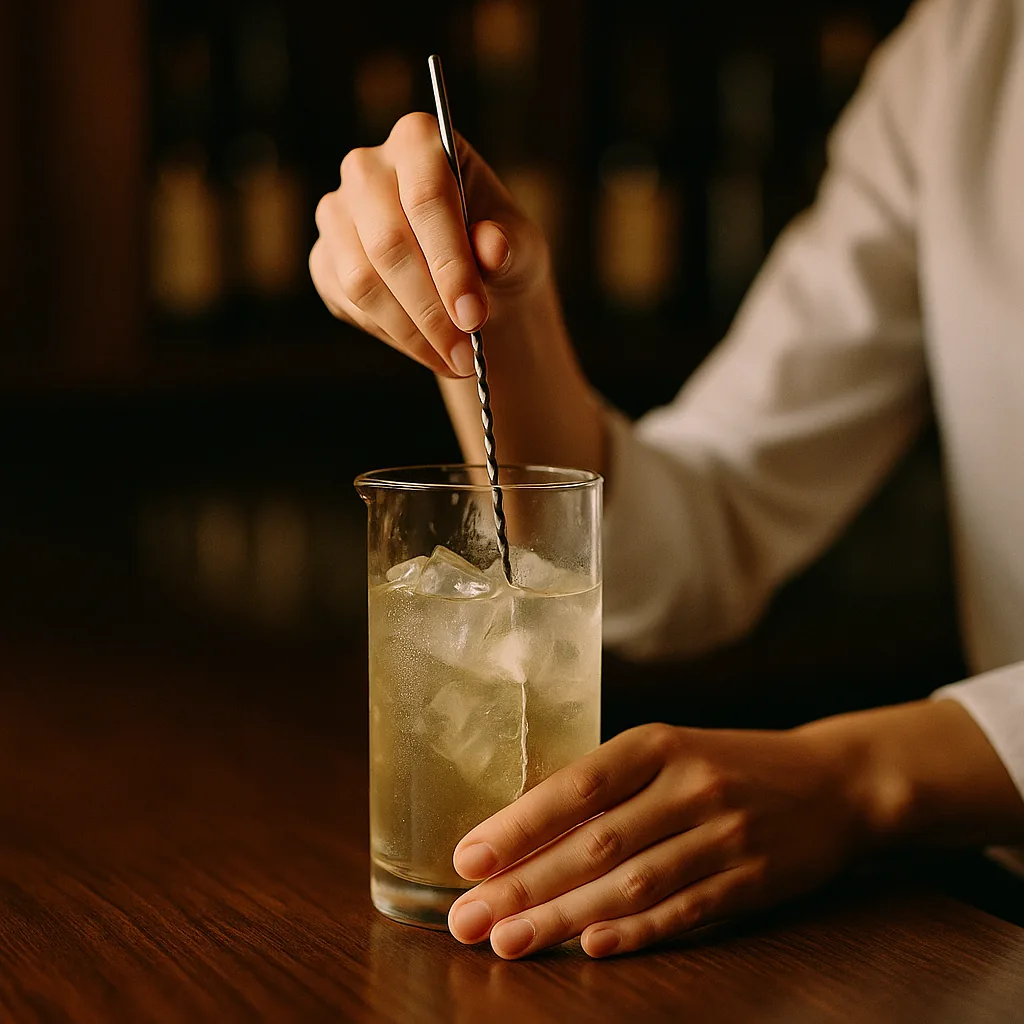
Stirred, never shaken. Shaking aerates it and leaves it cloudy, and this drink is judged partly on being clear.
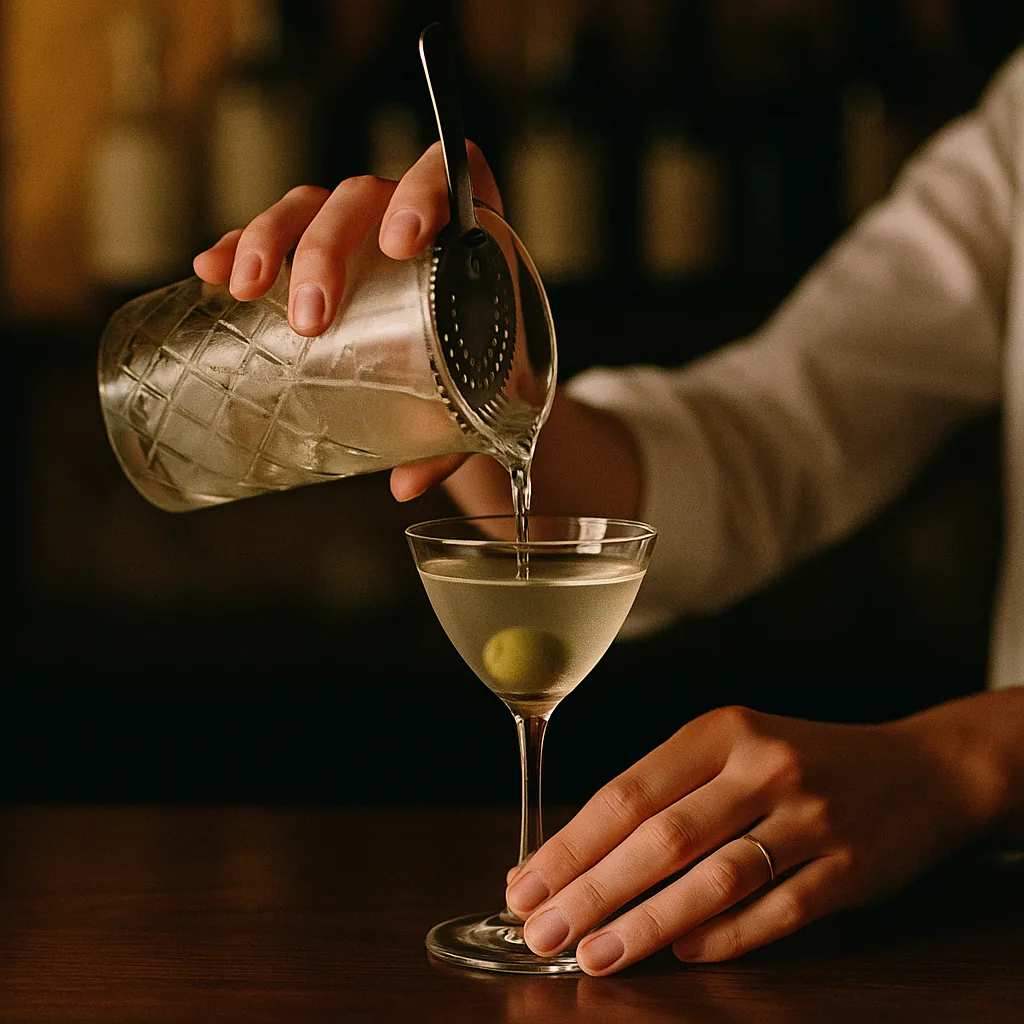
Strain it off the ice. Olive or lemon twist — by now the drinker chooses, and that is a change too.
Dry, as it is served now
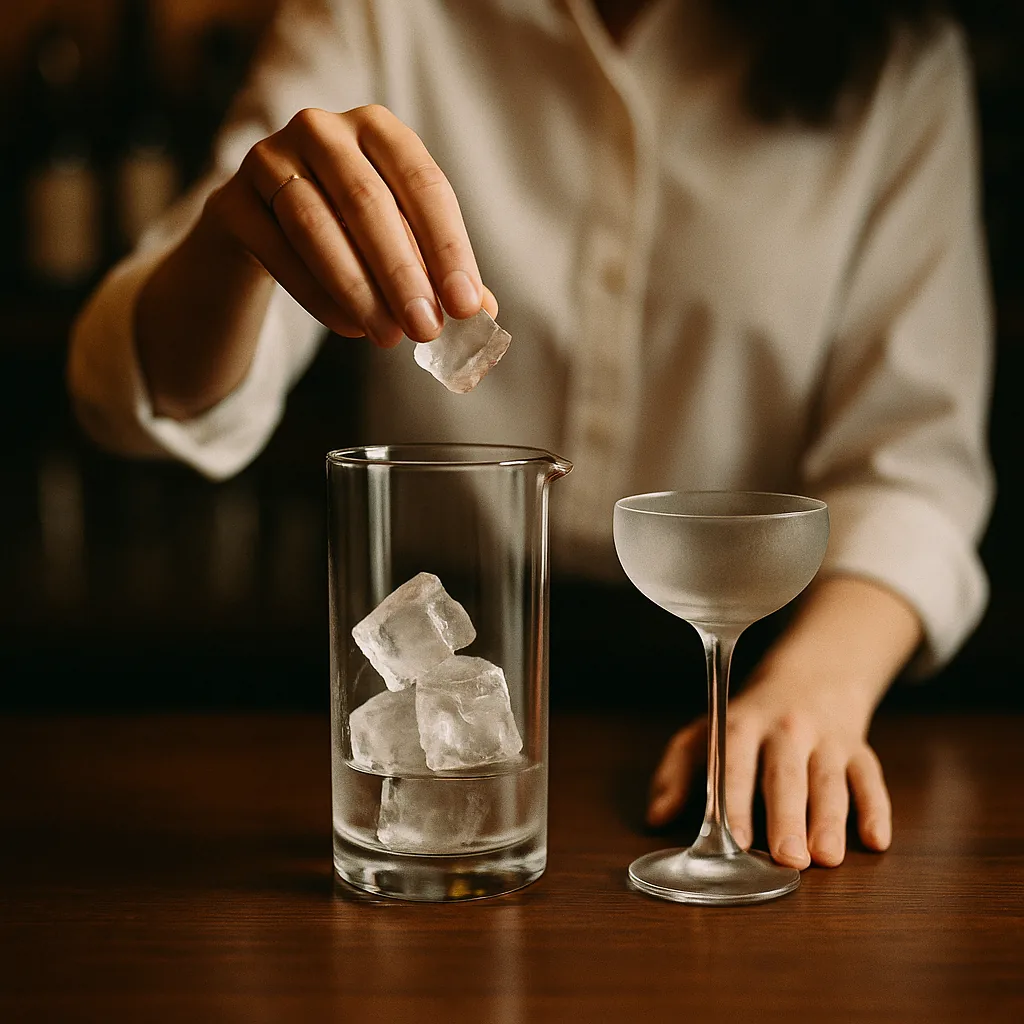
Same start as a hundred years ago. Everything that changed is in the next two pours.
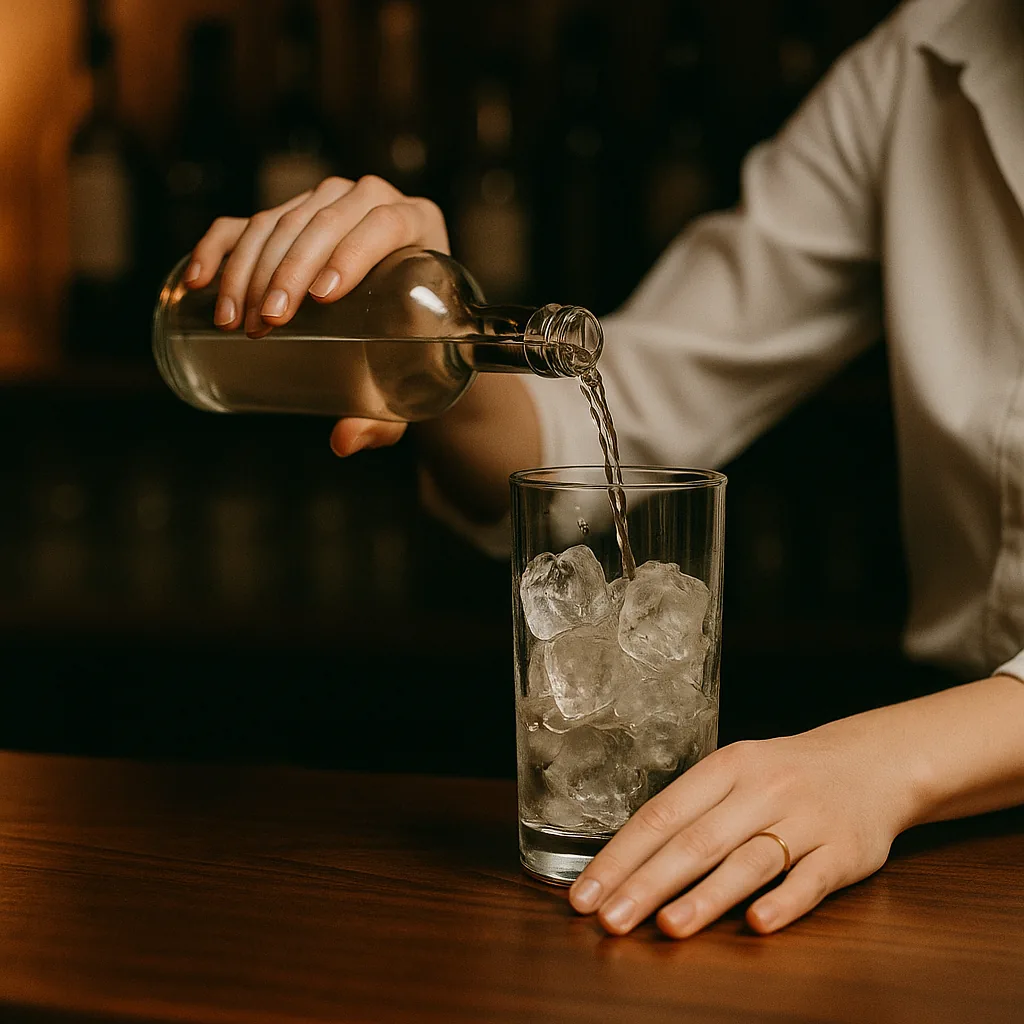
Sixty millilitres of gin. Whatever bottle you like here is the bottle you will taste — there is nothing else in this drink to hide behind.
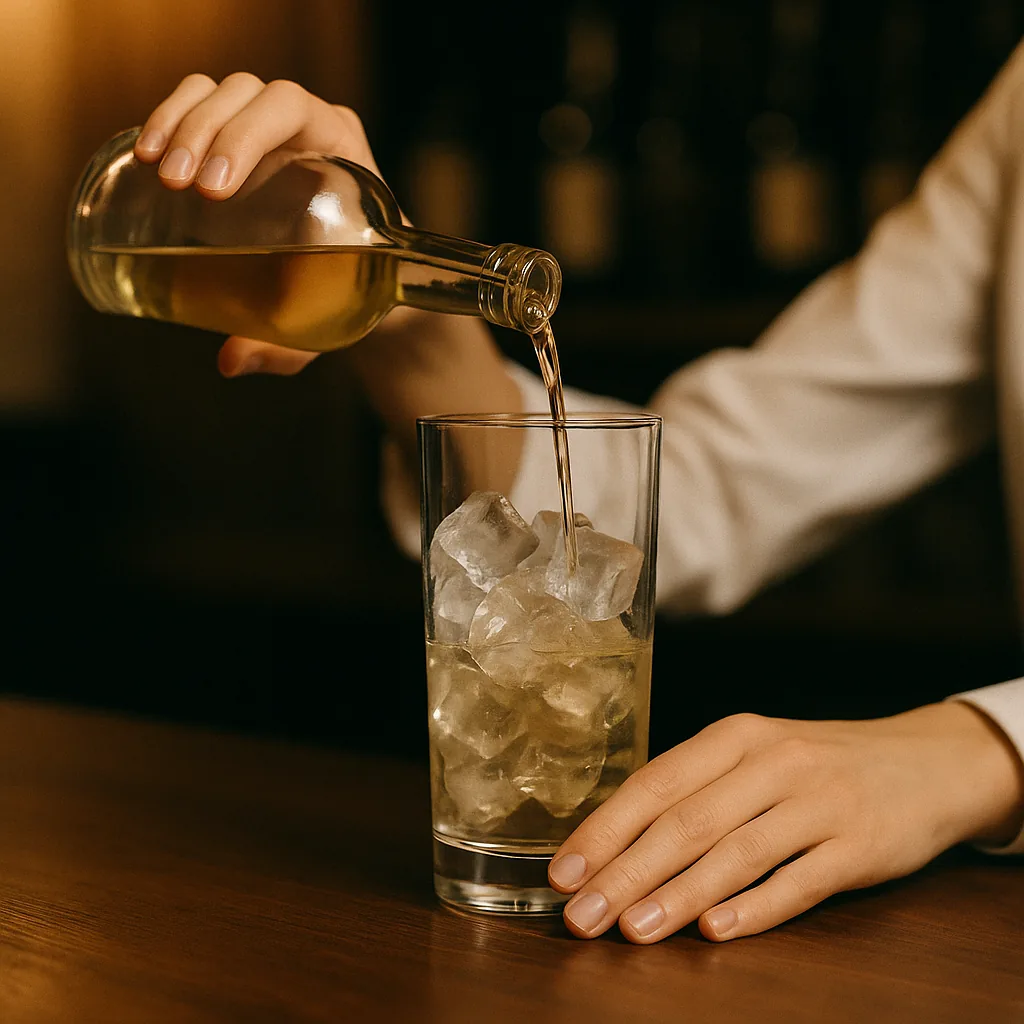
Ten millilitres of dry vermouth. Six to one. In 1888 this glass was half vermouth, and that is the whole history in one pour.
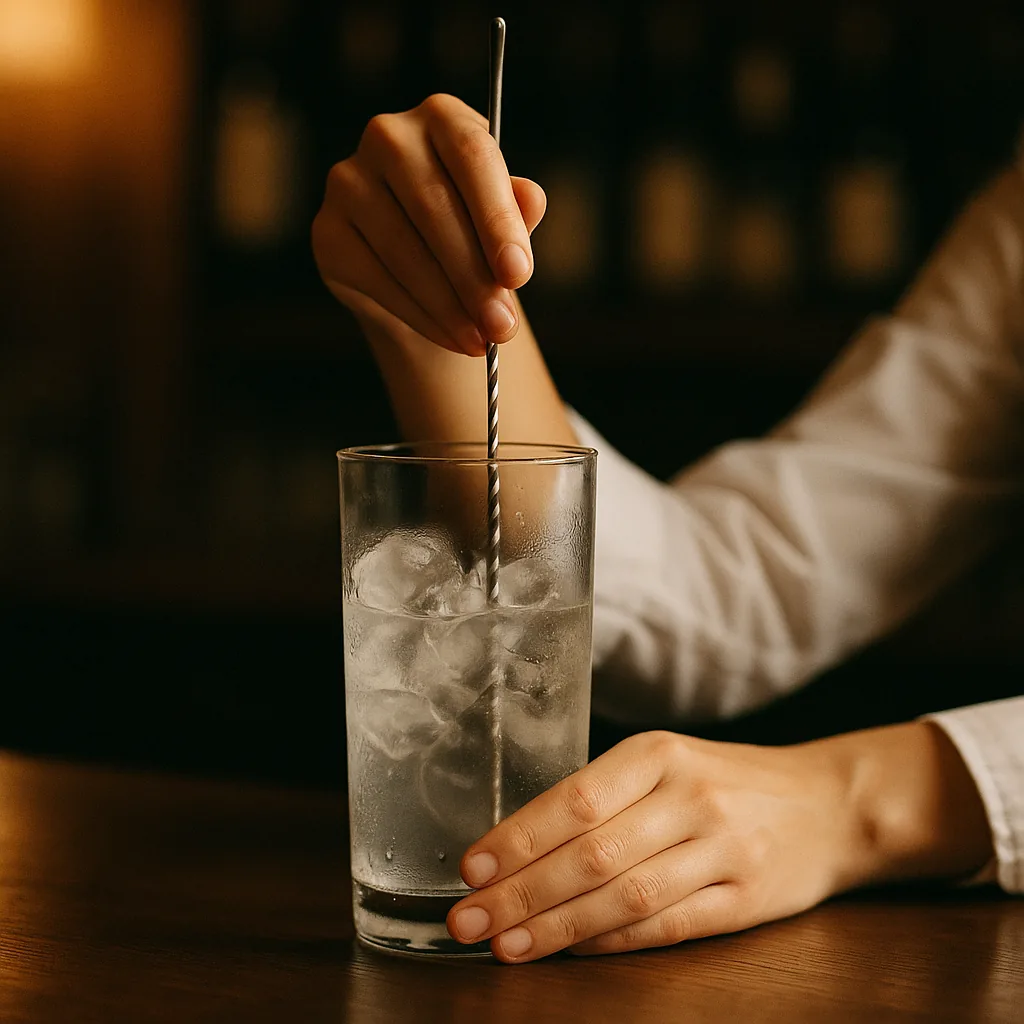
Stir until the outside of the glass hurts to hold. Cold is doing the work the vermouth used to do.
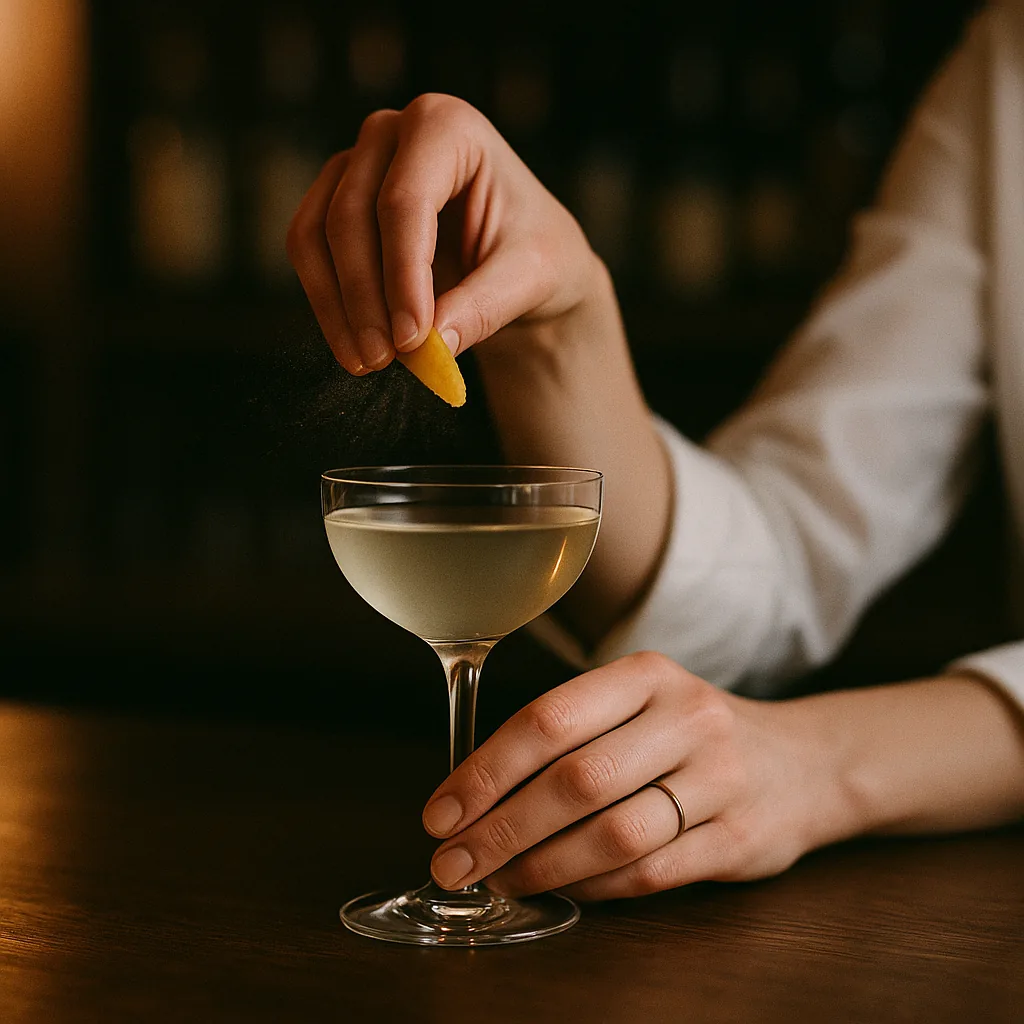
Squeeze the oil off a lemon peel over the top, or an olive if you would rather. The oil is the only aromatic left in it.
From the collection — 17 bottles
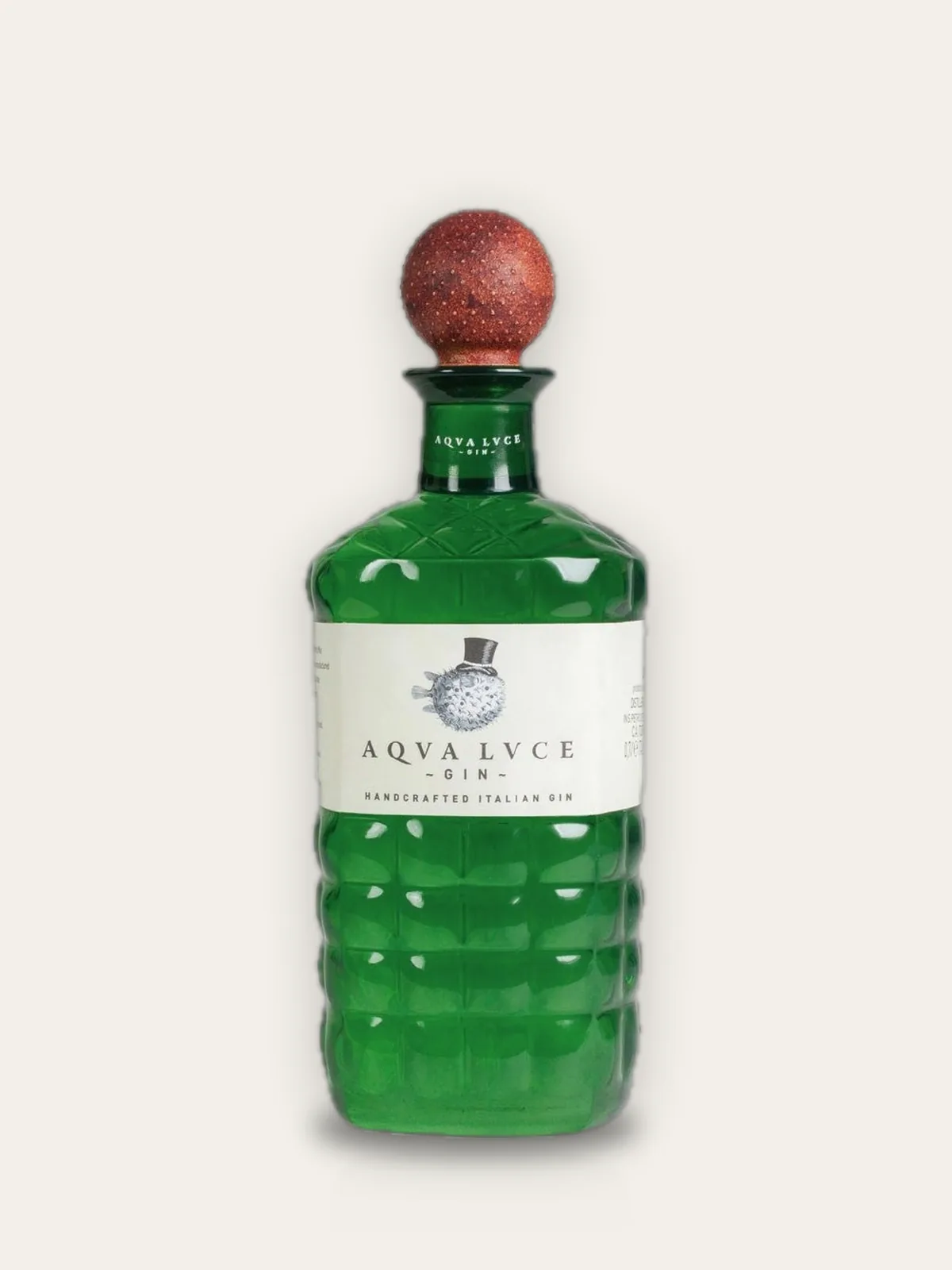
Aqva Lvce
Gin
Aqva Lvce reads clean and juniper-led rather than heavily flavoured, which is what a Martini wants — nothing to hide behind the vermouth.
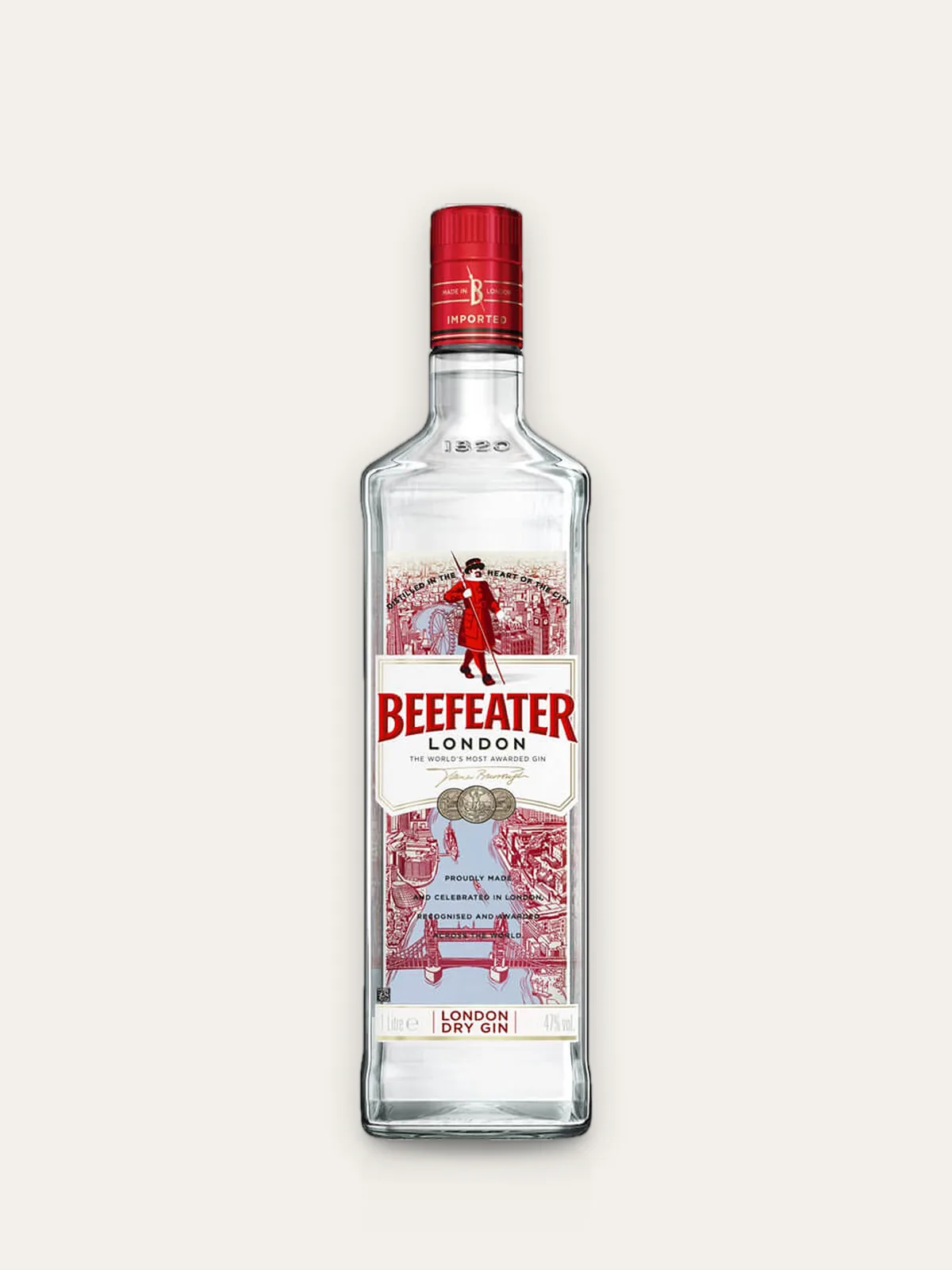
Beefeater
London Dry
Beefeater's juniper-forward London Dry backbone and full 40% hold their shape against vermouth instead of vanishing into it.
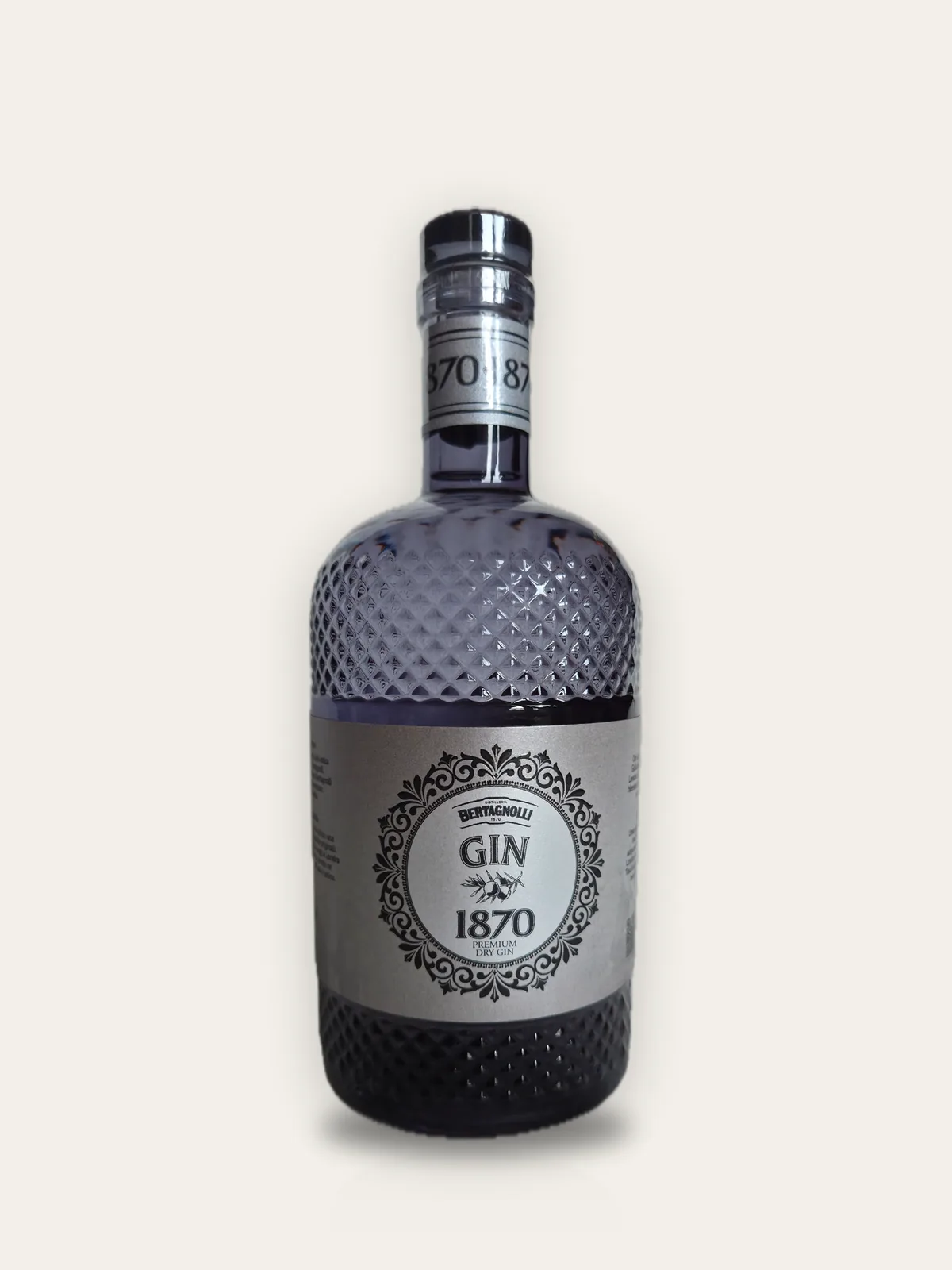
Bertagnolli
Gin 1870 Premium Dry
A dry gin like the 1870 has nowhere to hide at 5:1, and its juniper-forward, low-sugar build is exactly what a Martini needs to stay cold and sharp.
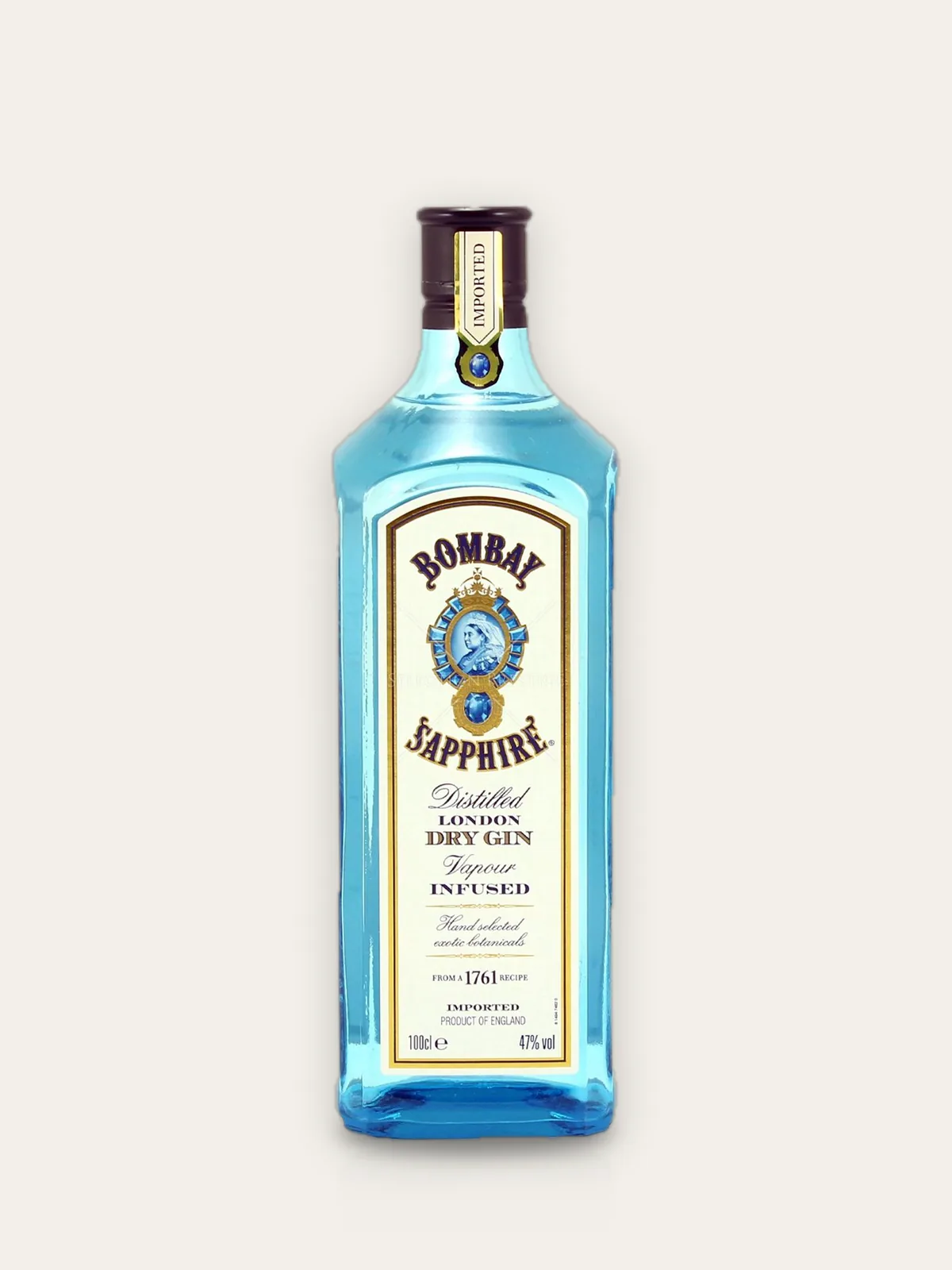
Bombay Sapphire
London Dry
Bombay Sapphire's London Dry juniper backbone and 47% strength hold their shape against vermouth and dilution.
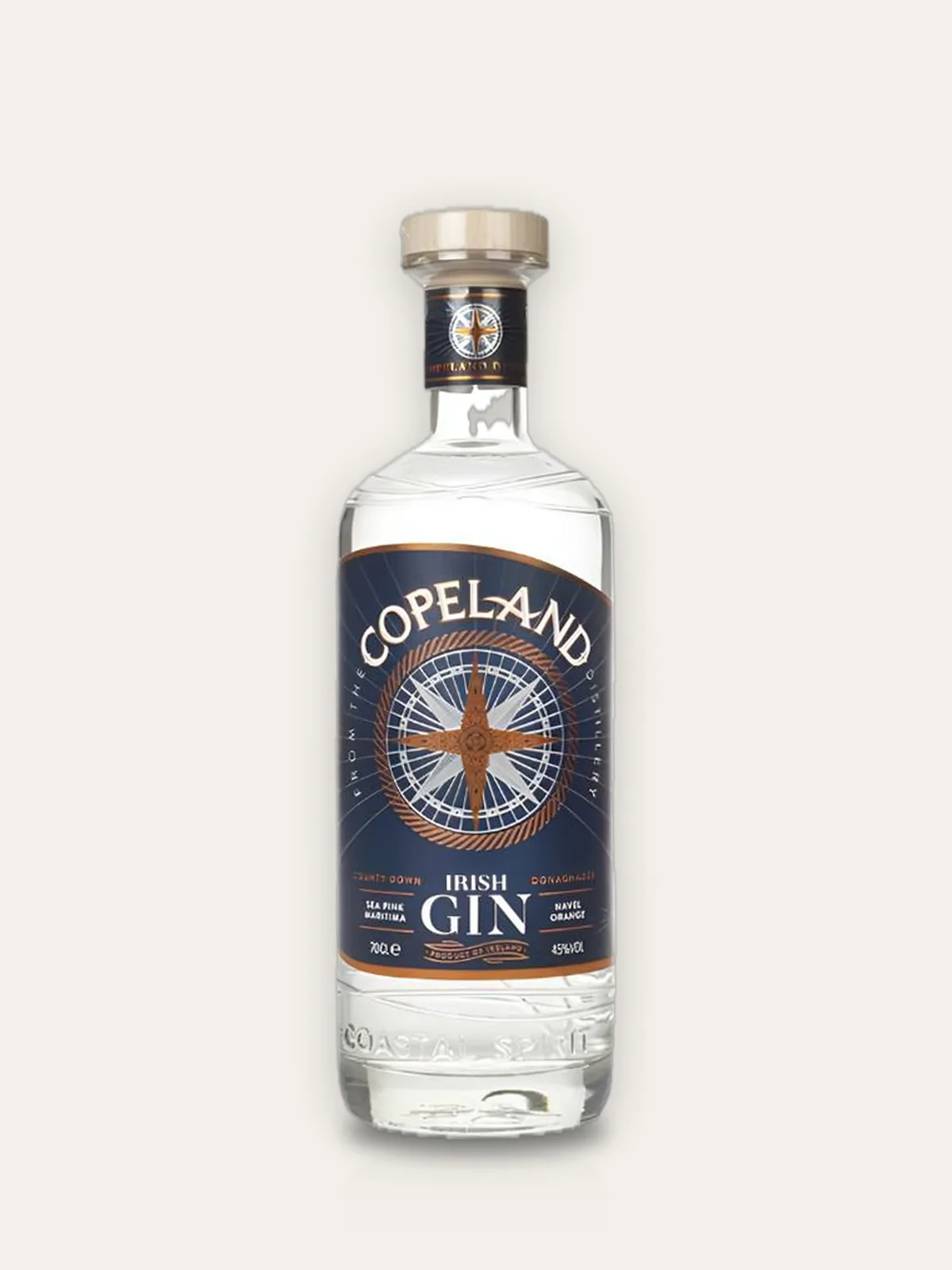
Copeland
Irish Gin
Copeland's 45% and juniper spine hold their shape against vermouth instead of disappearing into it.
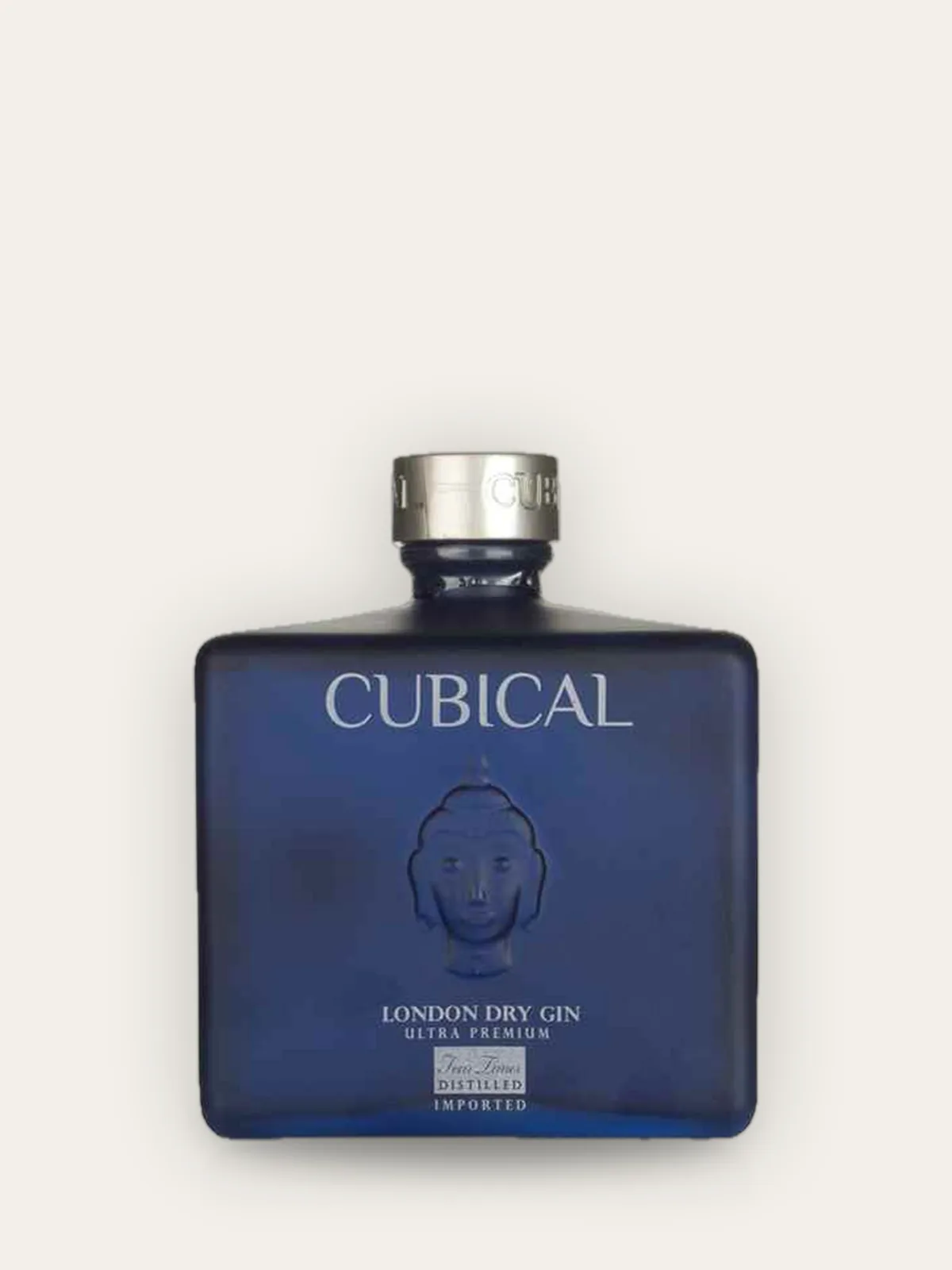
Cubical
London Dry Ultra Premium
At 45% Cubical holds its line against the vermouth and stays cold and juniper-dry to the last sip.
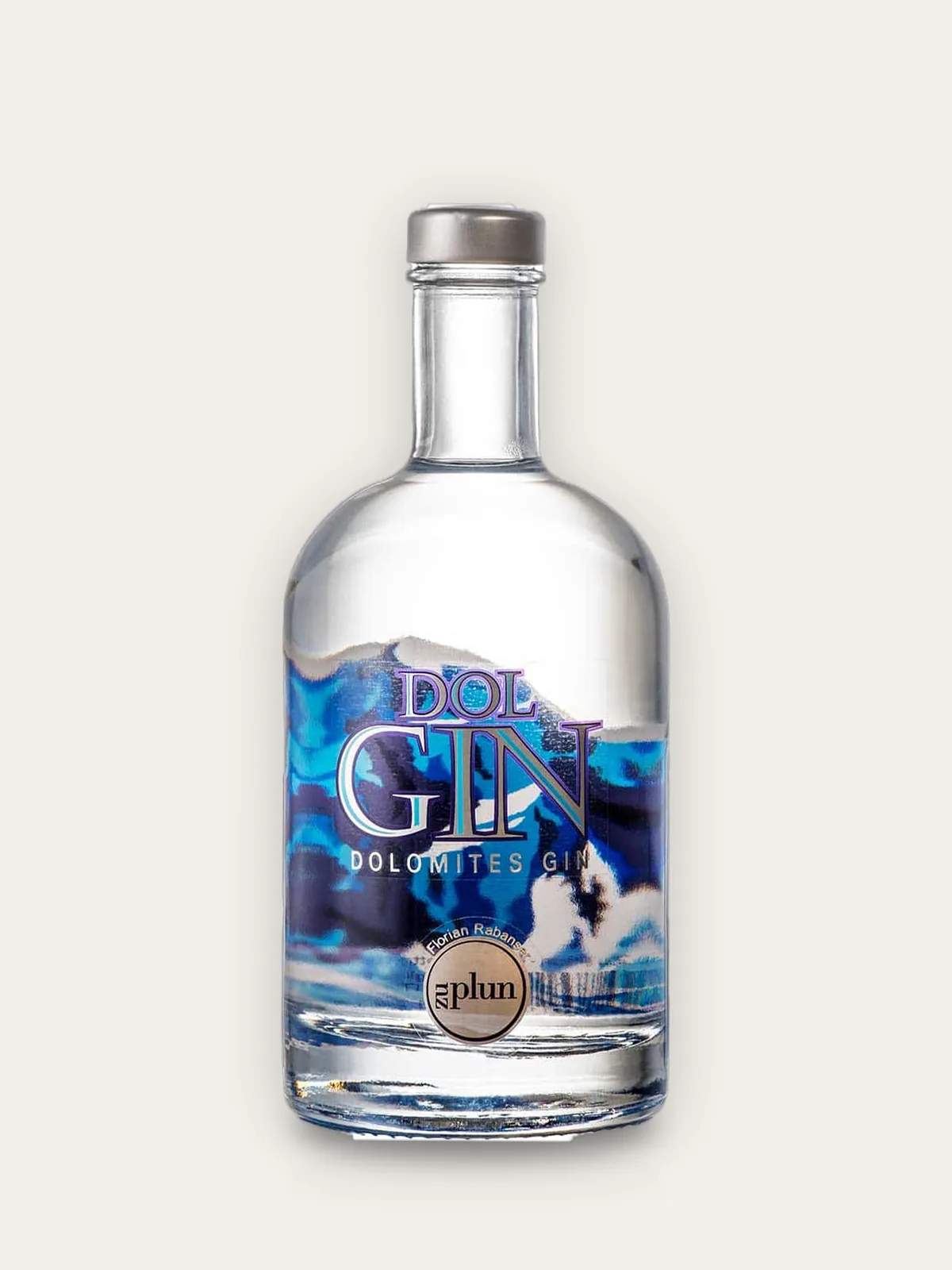
Dol Gin
Dolomites Gin
45% gives it the backbone to sit stirred and cold with only a whisper of vermouth, which is where a juniper-forward Dolomites gin shows best.
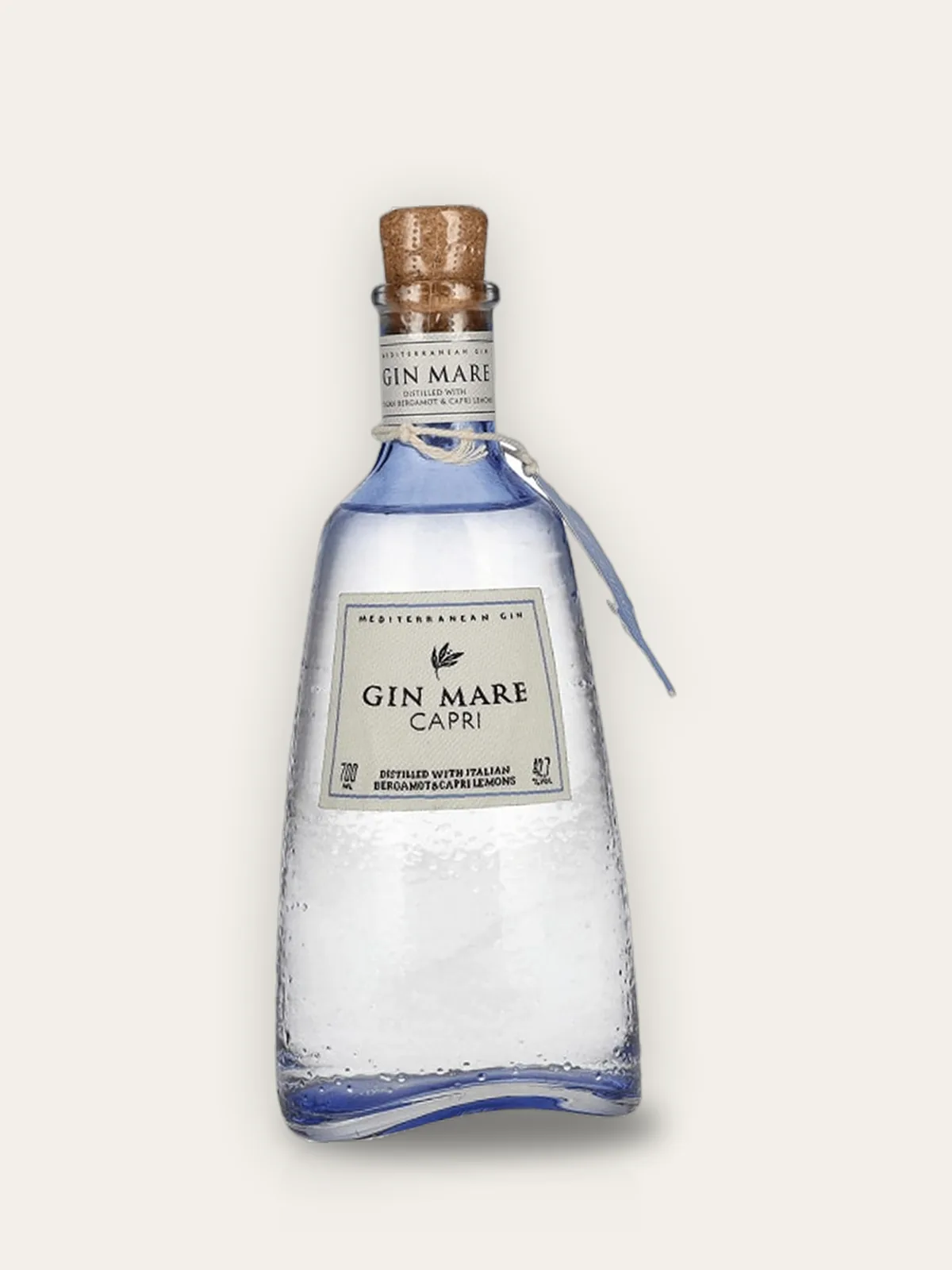
Gin Mare
Capri
A Mare gin's savoury, olive-leaning backbone turns a Martini briny rather than piney — stir it very cold and skip the twist for an olive.
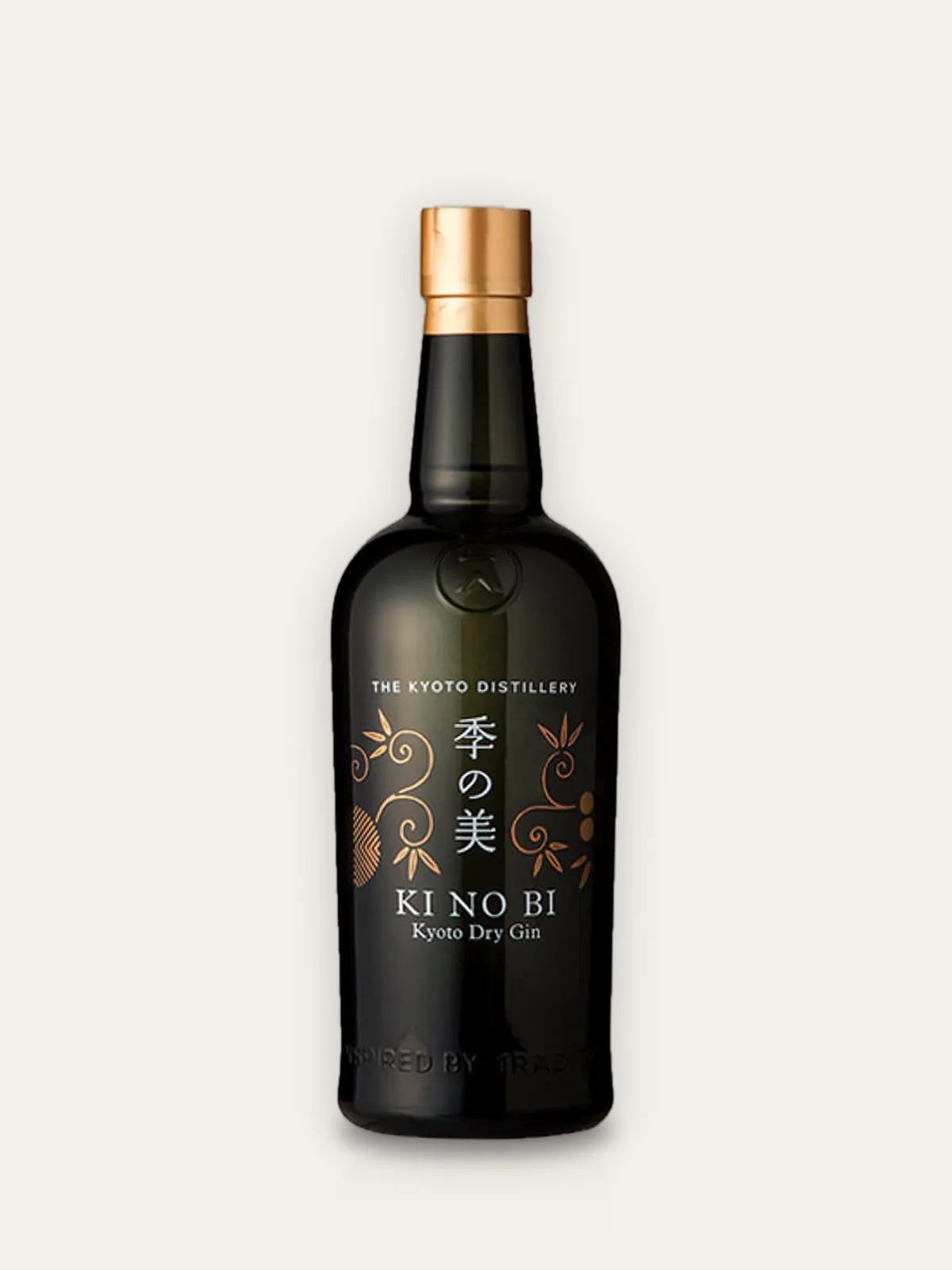
Ki No Bi
Kyoto Dry Gin
At 45.7% this Kyoto dry gin carries a stirred Martini without dilution flattening its citrus and tea-dry finish.
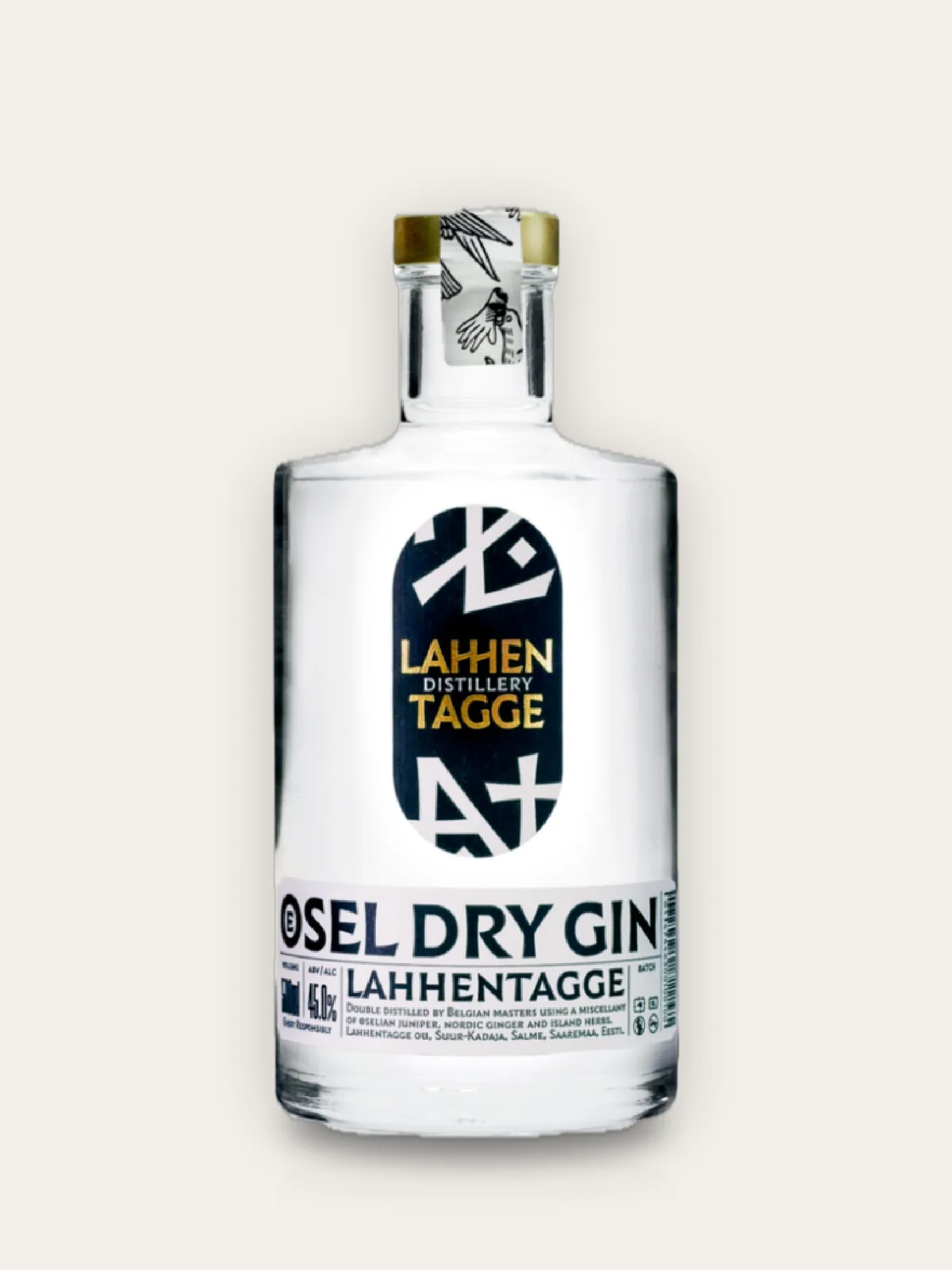
Lahhentagge
Ösel Dry Gin
The Lahhentagge Ösel is dry and juniper-forward at 45%, so it stays sharp and cold under a 5:1 pour of vermouth without thinning out.
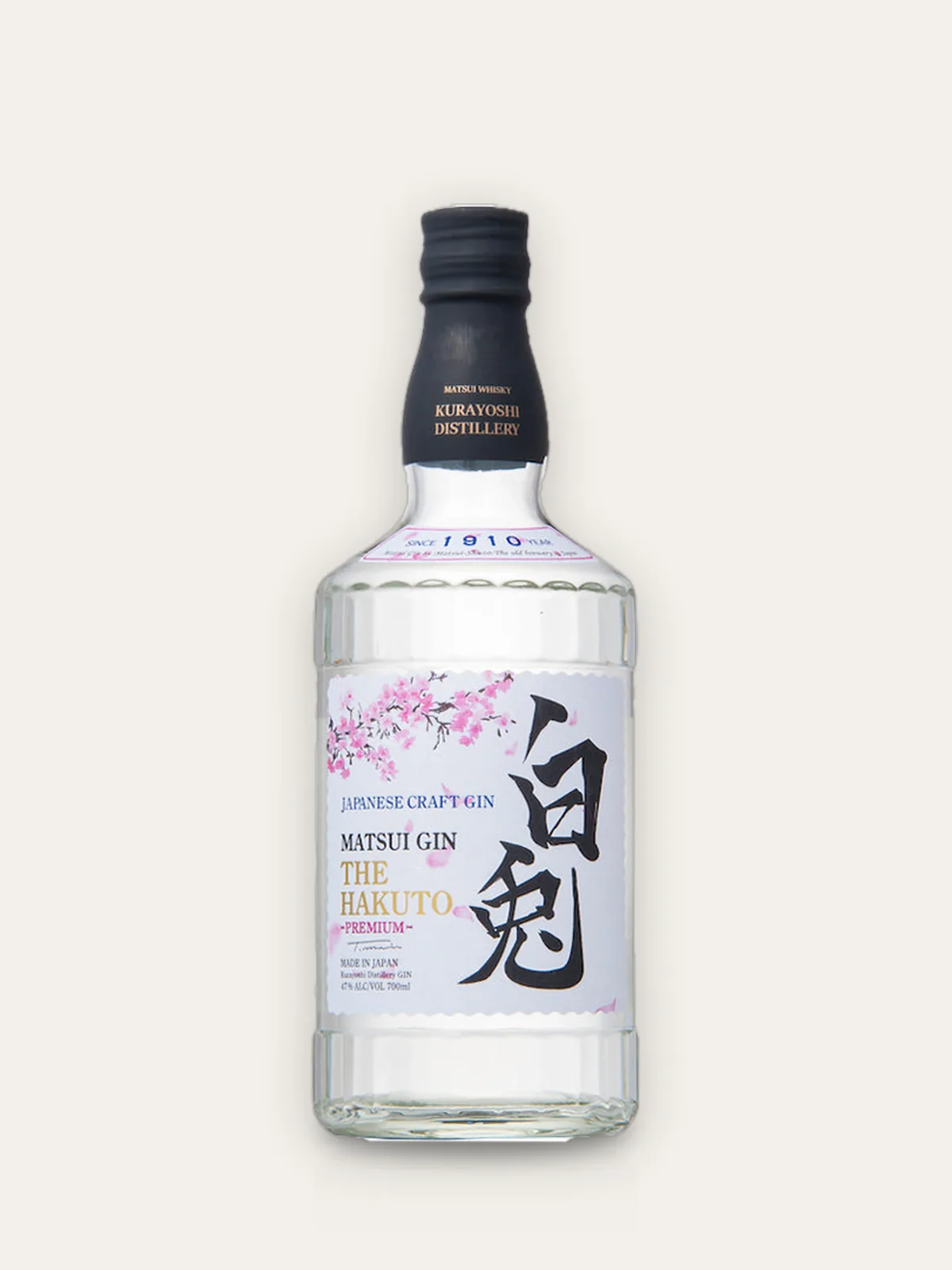
Matsui
The Hakuto Premium
The Hakuto pear note sits where vermouth fruit usually goes, and Matsui's 47% keeps it upright after stirring.
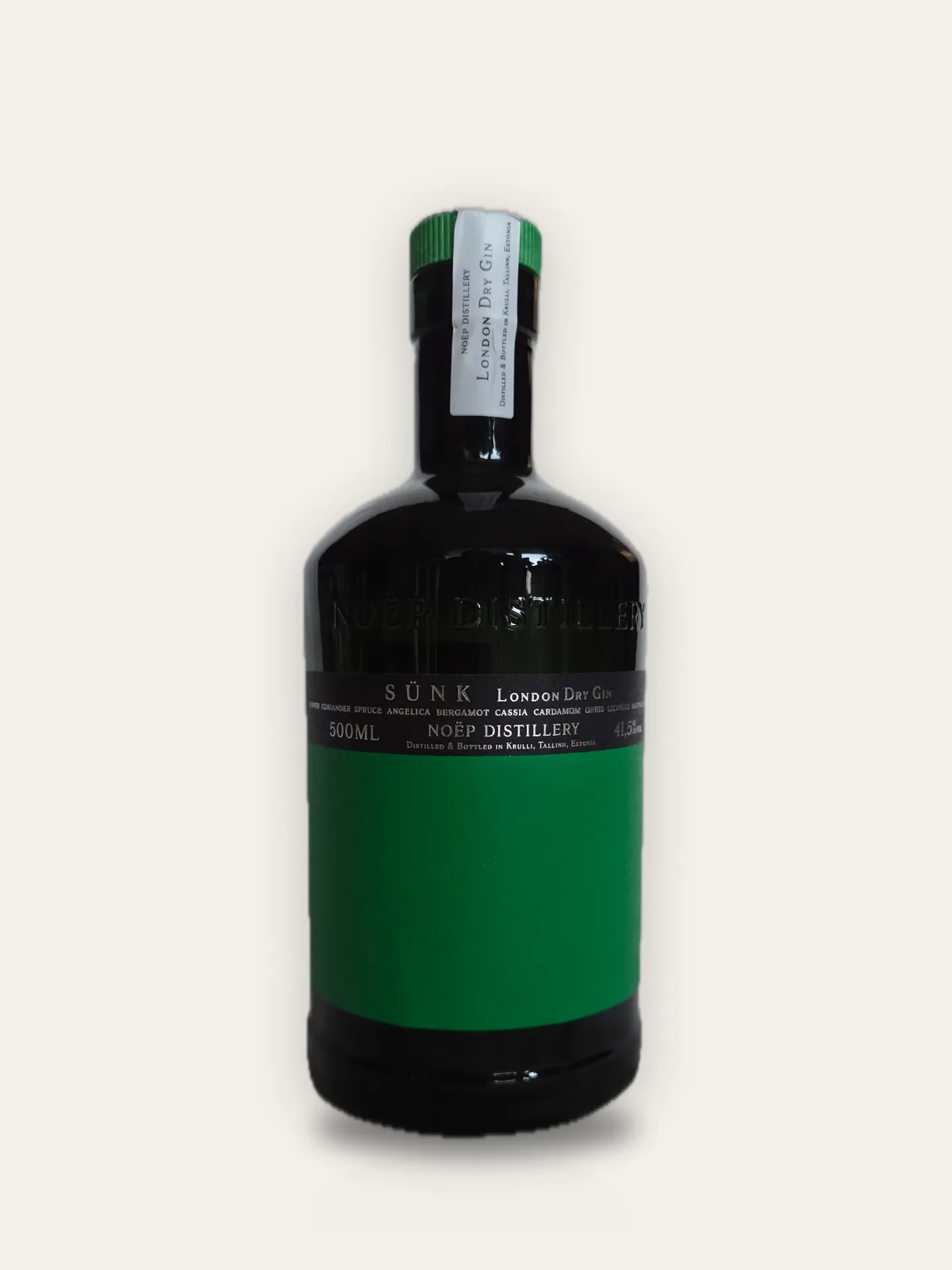
Noep Distillery
Sünk London Dry Gin
A London Dry with nothing added is what a Martini wants, and Sünk from NOËP Distillery has the juniper spine to hold its own against vermouth.
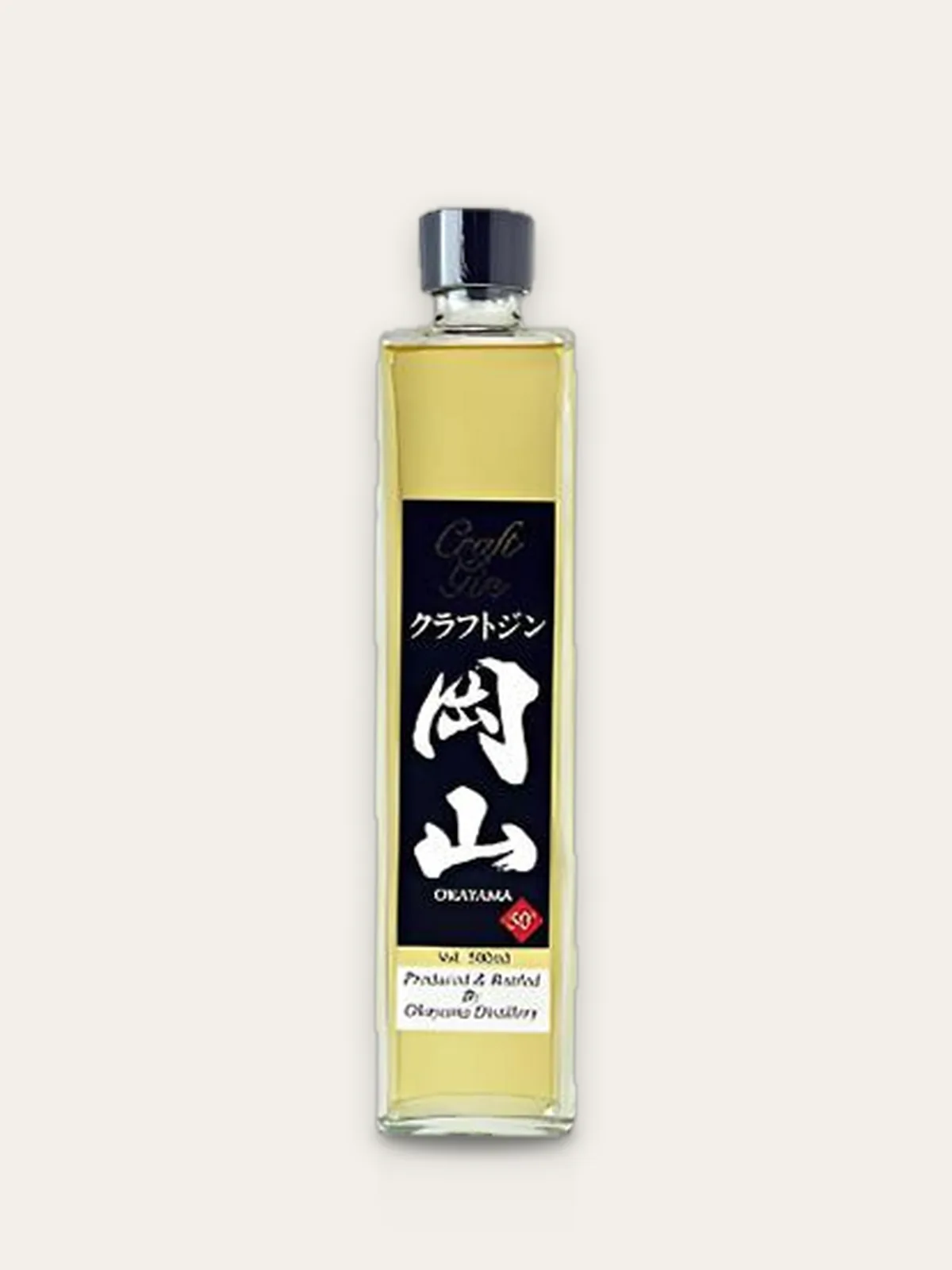
Okayama
Craft Gin
At 50% the Okayama holds its shape against vermouth and dilution, so the juniper stays sharp down to the last sip.
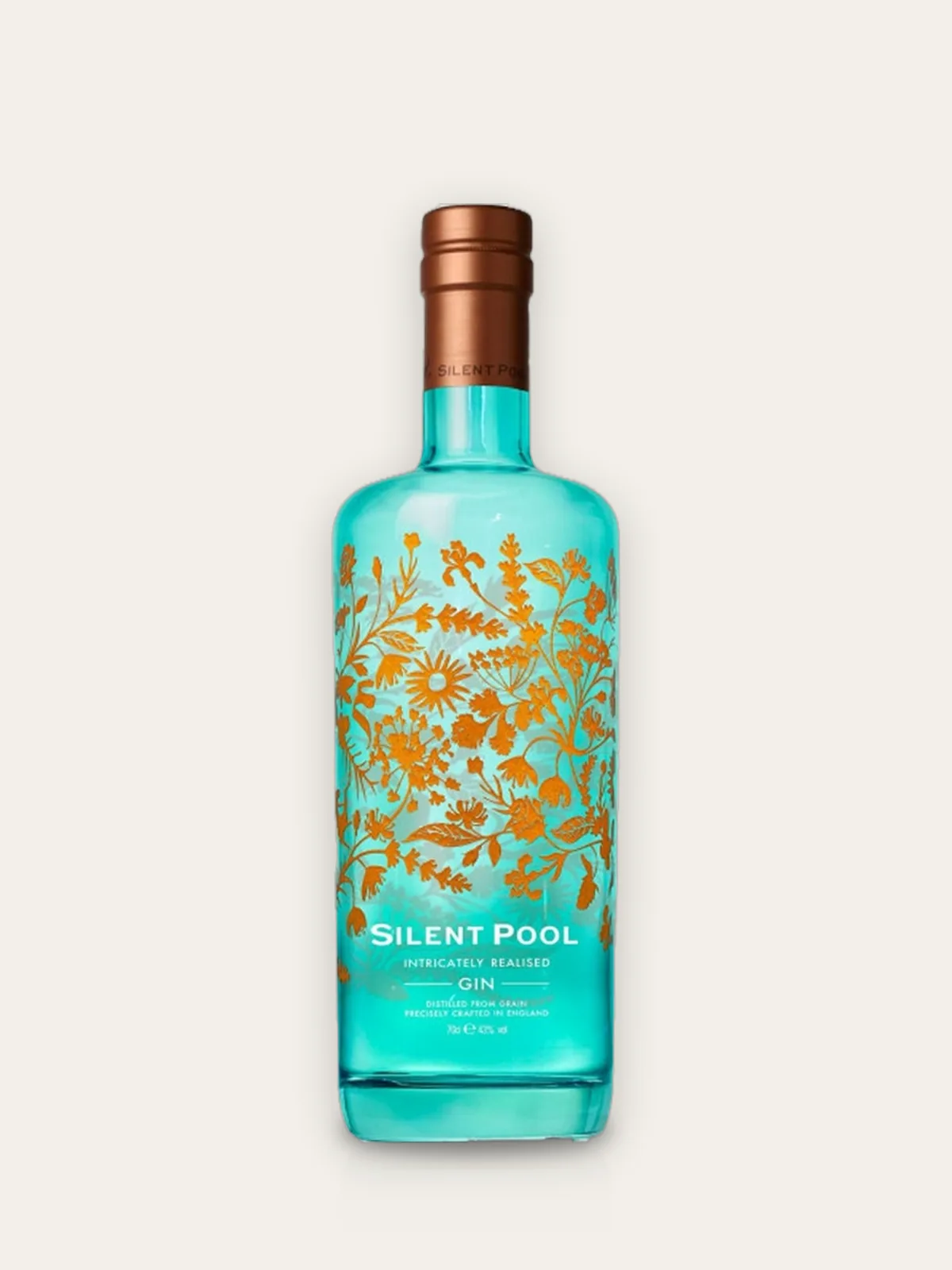
Silent Pool
Gin
The restrained, Silent Pool style of juniper won't shout over vermouth, and 43% ABV gives the stirred drink enough spine when chilled.
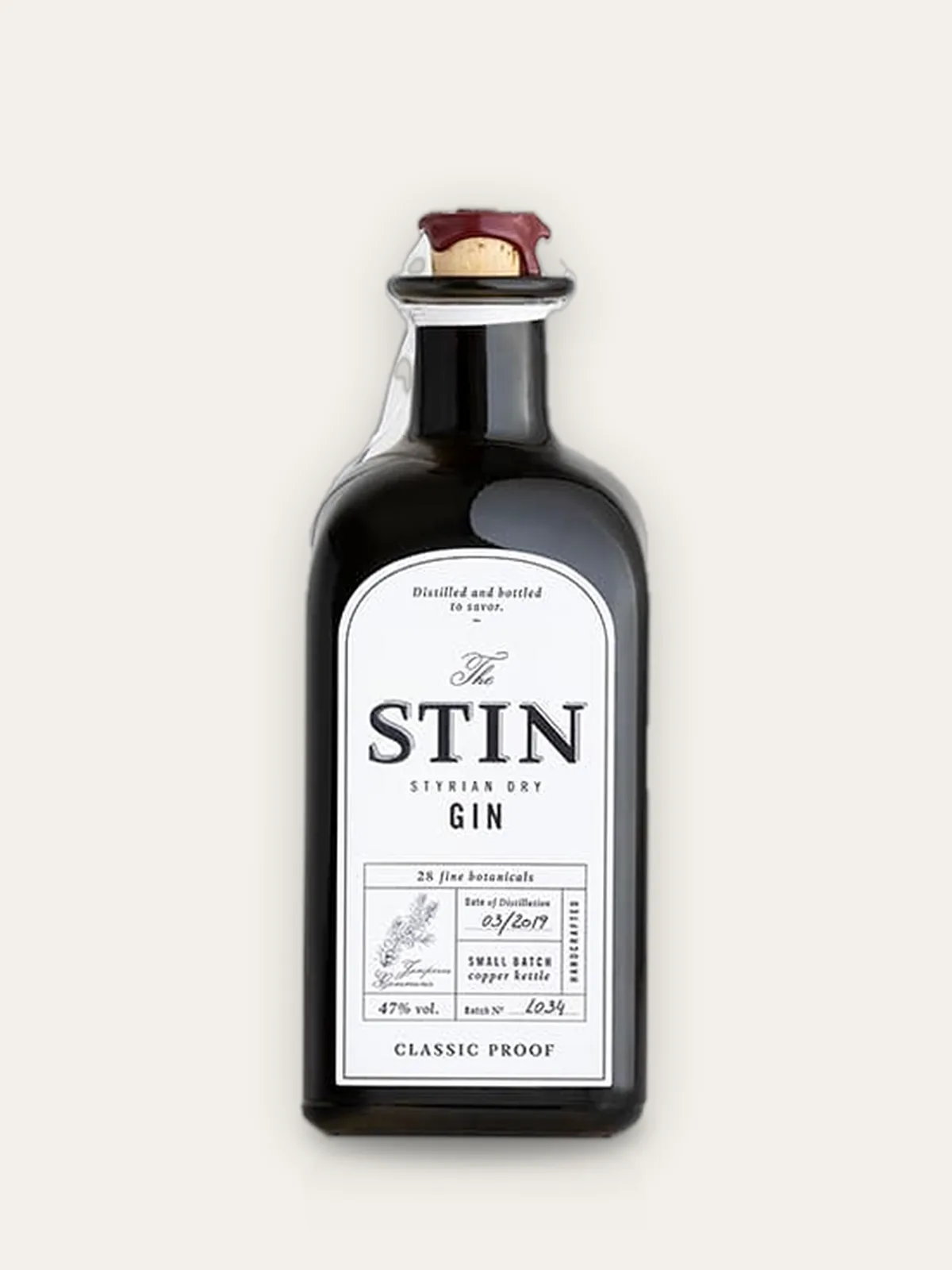
The Stin
Styrian Dry Gin Classic Proof
The Stin's 47% Classic Proof keeps the juniper spine intact through stirring and dilution, where a 40% gin would go thin.
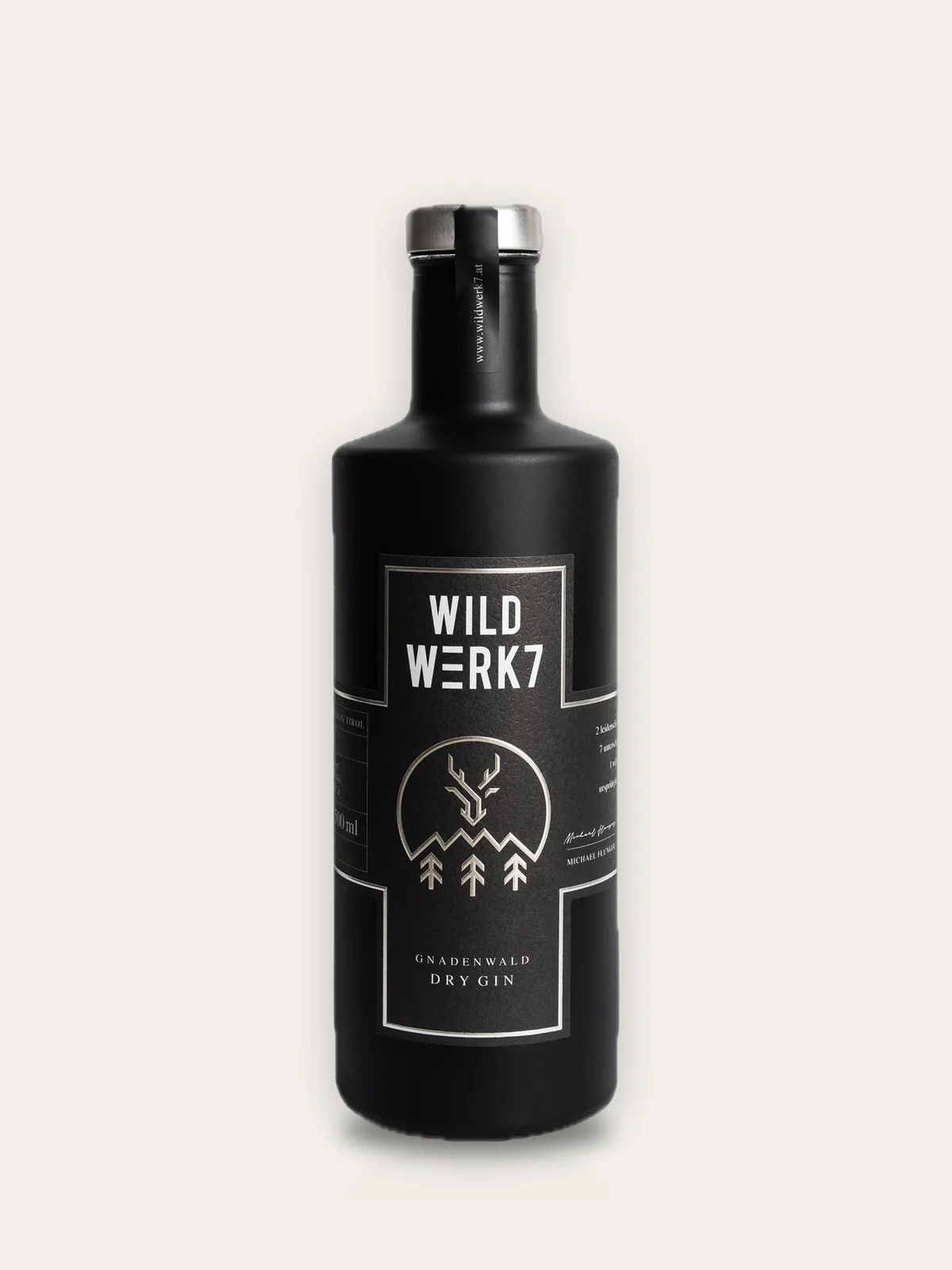
Wild Werk 7
Gnadenwald Dry Gin
A dry Gnadenwald gin has the juniper backbone and Alpine herb edge to carry a Martini with only a whisper of vermouth.
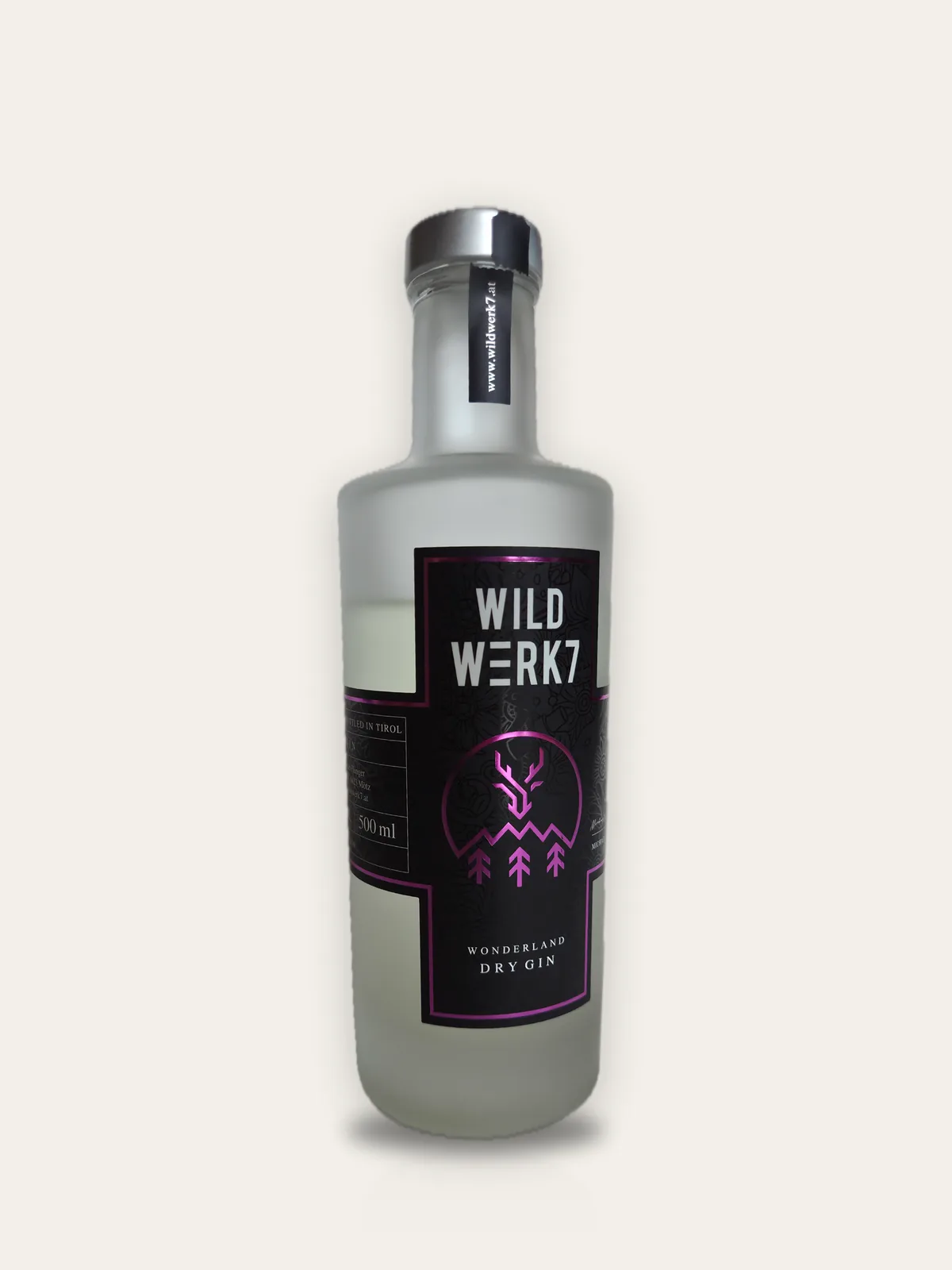
Wild Werk 7
Wonderland Dry Gin
A dry gin like Wonderland has nowhere to hide in a Martini, and that juniper-led backbone is exactly what the drink asks for.